
Politics Perspektive Online
Coalition committee at night: minimal compromise on the backs of the population
Temporary electricity tax reduction, three-month fuel price cap, no agreement on cold progression and pensions – these are the results of the coalition committee. The government is managing the shortage, stat
Deutsch (original) ·Auto-translated to English
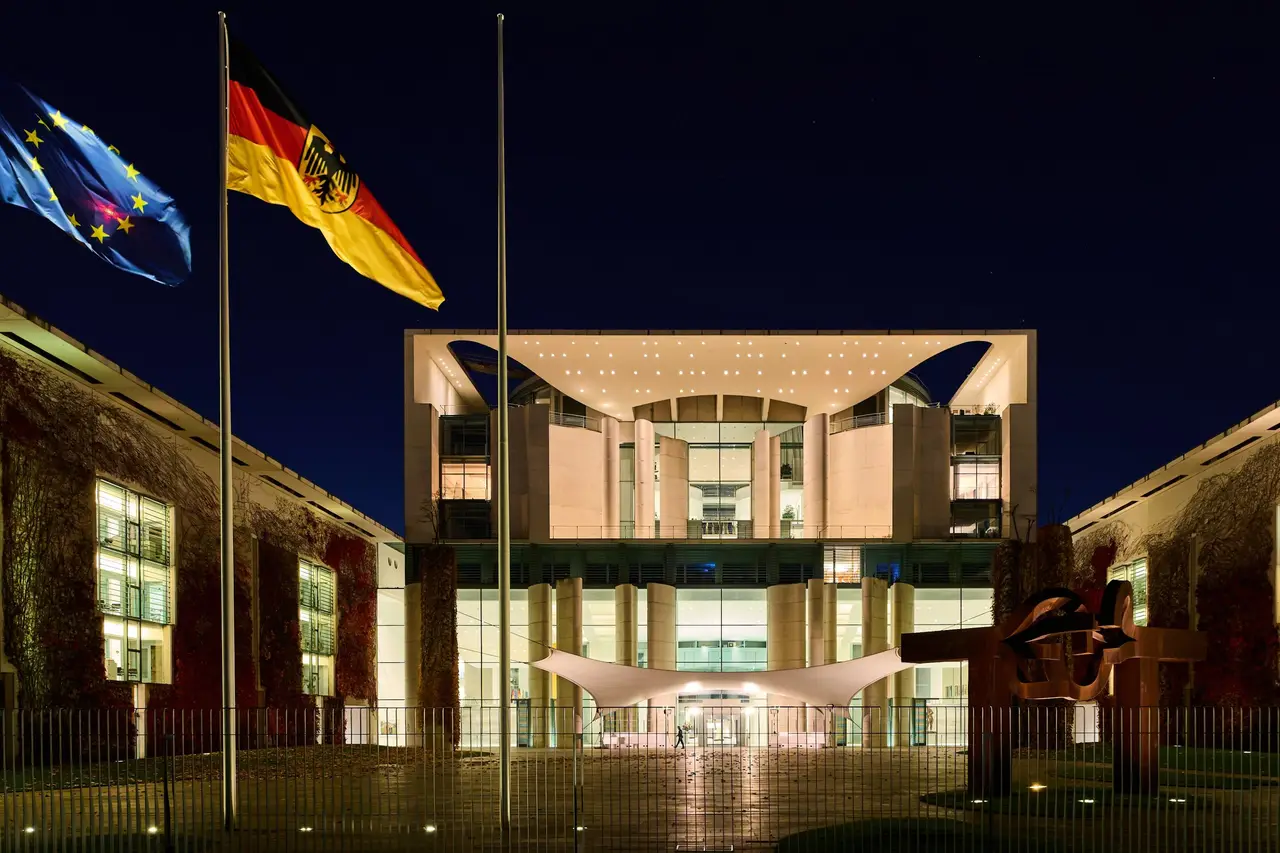
Temporary electricity tax reduction, three-month fuel price cap, no agreement on cold progression and pensions – these are the results of the coalition committee. The government is managing the shortage instead of fixing it. – A comment from Reiner Matzinke.
Until the early hours of Wednesday morningThe coalition committee of the CDU/CSU and SPD met. The result of the eight-hour negotiations? A meager compromise that does not solve Germany's pressing social issues, but rather postpones them.
The electricity tax will be reduced for a single year, the fuel price cap applies for a maximum of three months, and the coalition was unable to agree on anything regarding cold progression and pensions. What is sold as “success” is actually an indictment of a government that only keeps its promises in steps and with an expiry date.
More tax revenue for 2027 – but no relief for the population?
The electricity tax: A year of charity, then back to reality
From January 1, 2027, the electricity tax will fall from 2.05 cents to the European minimum of 0.1 cents per kilowatt hour for one year. This means for a three-person householdaccording to calculations by the comparison portal Verivoxa relief of 7.75 euros per month - that's 93 euros per year. For a single it's only three euros per month. This is not a tangible contribution to overcoming the cost of living crisis, it is a drop in the ocean and even this drop evaporates after a year.
The financing is on shaky ground: the 5.4 billion euros are supposed to come from leeway in the EEG account, i.e. from funds that are actually intended for the promotion of renewable energies. Whether these surpluses actually exist in sufficient quantities depends on electricity prices - a financial policy roulette in which citizens are the losers if things go wrong. A permanent reduction is only “intended”, but requires counter-financing in the 2028 budget. In other words: The coalition is postponing the actual decision for a year and hoping that no one will look anymore by then.
Chancellor Friedrich Merz (CDU)still celebrated: “We promised to reduce the electricity tax – and we kept our word.” This is a remarkable interpretation of “keeping your word” when the promise was in the coalition agreement, was not kept for over a year and is now only temporary.
IG Metall brought the entire government policy into disarrayto the point: Tax relief for small and medium incomes is “in principle to be welcomed”, but is in the context of the large number of cuts in social and labor law that burden employees and their families. IG Metall warned against the extension of unfounded time limits, the abolition of telephone sick leave and the requirement to provide a certificate from the first day of illness. Nominal relief on the one hand, real new burdens on the other - and the bottom line is that there is hardly anything left for the working population.
The fuel price cap: symbolic policy with a shelf life of three months
The pattern repeats itself with the fuel price cap. The cap should apply from January 1st, 2027 - the cabinet wants to pass a draft law on December 2nd. But the legal regulation expires after three months,an extension is merely“planned” and being “reviewed”.
The SPD had sharply criticized the original draft by Economics Minister Katherina Reiche (CDU) because it was tied to such strict conditions that it had not been triggered once in the past ten years. What has now been decided is a minimal compromise that does not resolve the ineffectiveness diagnosed by the SPD itself, but rather merely extends it over time.
Cold progression and pension: The big gaps
While the coalition celebrated its manageable successes in electricity and fuel, pressing questions remained unanswered. When it comes to balancing cold progression – the mechanism through which inflation-related wage increases push employees into higher tax brackets and make them poorer in real terms – the coalition committee was unable to agree on a solution. CDU General Secretary Franziska Hoppermann admitted on Wednesday morning that they were “not yet come to a conclusion"Four billion euros would be needed for the compensation, almost half of which would have to be borne by the federal government. The Union is pushing for full compensation, but counter-financing was not possible in the budget.
Anyone who benefits nominally from a wage increase gives part of it directly to the tax authorities without improving their own purchasing power. Meanwhile, everyone else can watch as their purchasing power is further reduced by inflation. The fact that the Union, which likes to present itself as a tax-cutting party, is failing here says it all. The SPD, in turn, has proven in recent months to be a reliable majority-getter for policies that promise social relief and then fail due to their own budgetary discipline.
There was also no agreement on the pension without deductions after 45 years of contributions. Although this project is a core concern of the SPD, the financing and the labor market policy support remain controversial. For those earning small and medium incomes who have worked all their lives, this means continuing to wait, continuing to hope, and continuing to fear.
The real bottom line: A government that doesn't deliver
On Wednesday night, the coalition once again proved that it is unable to resolve even small disputes. And what it achieves is a patchwork of non-results: a temporary and limited tax cut, financed from misappropriated funds, a fuel price cap with an expiry date, and absolutely nothing on the pressing issues of the tax and pension system.
The budget for 2027, which is due to be passed between November 24th and 27th, leaves little scope for real relief. The government is managing the shortage instead of fixing it. From a workers' perspective, the coalition committee's result is further evidence that this government does not represent the interests of the working majority.
But fortunately, this is not the only direction it is going. The “Gen Z regulates” movement has explicitly opposed the austerity measures in education, social services and health and criticized the fact that the burdens are being shifted one-sidedly onto the younger generation, while billions are being spent on rearmament. If a government cuts schools, psychotherapy and youth welfare, but at the same time debates compulsory military service, it should not be surprised if hundreds of thousands of young people take to the streets and shout “We’ve had enough!” call.
This coalition's austerity policy is the direct fuel for the protests of “Gen Z” - the protests are the logical consequence of this policy. We can only hope that this conclusion will also be drawn loud and clear on Friday - on the Europe-wide protest day of the Gen Z movement.
The postCoalition committee at night: minimal compromise on the backs of the populationappeared firstperspective.