
Germany · Perspektive Online · · 42m
Budget draft for 2027: record spending for the Bundeswehr, cuts in the social sector
Deutsch (original) · Auto-translated to English
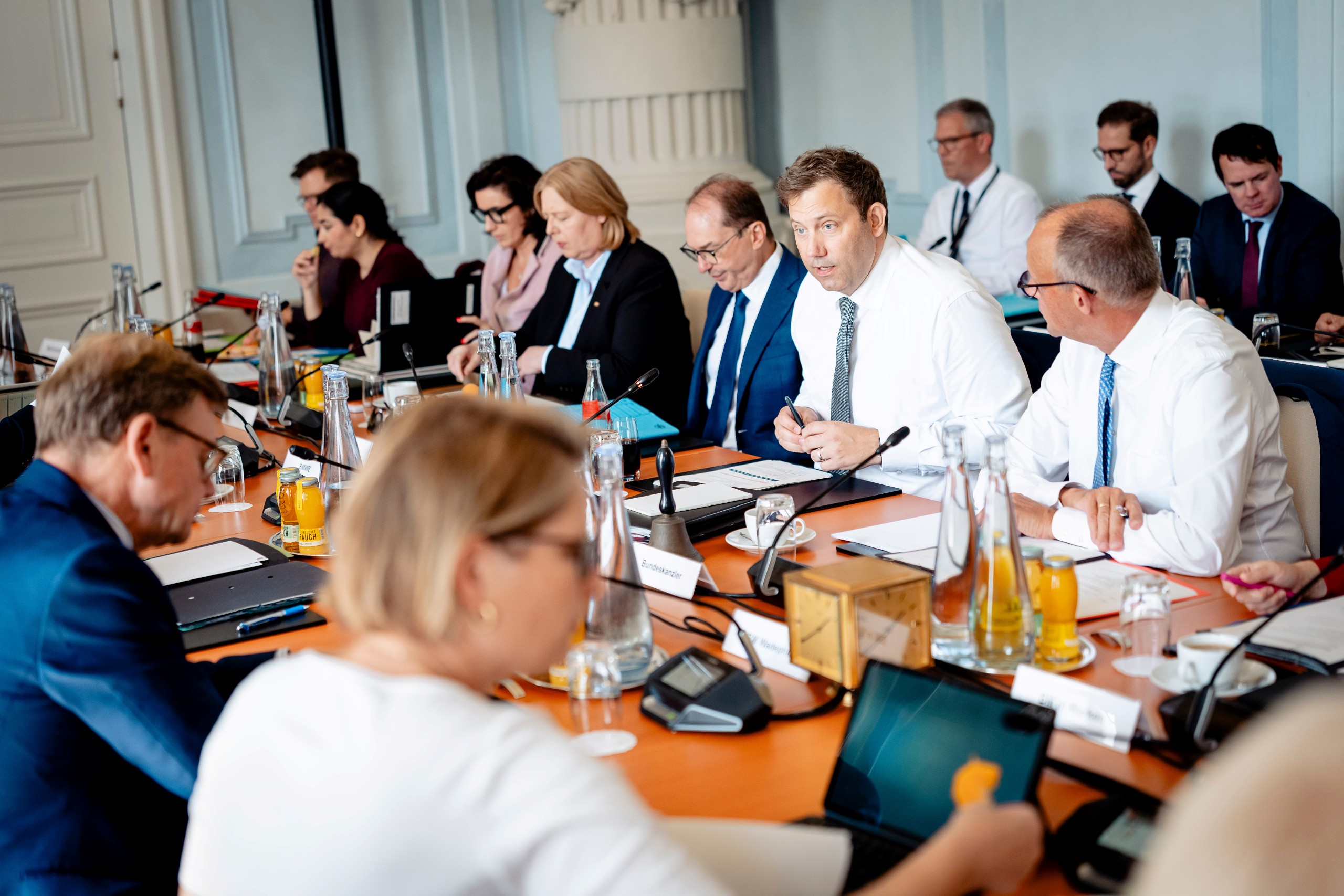
The 2027 budget continues to rely on massive armaments and cuts in social services and health. Around 109 billion euros are to flow to the Bundeswehr in the individual budget alone - 16 billion more than announced a year ago. At the same time, the draft is also causing disputes within the coalition.
Shortly after the cabinet meeting, Finance Minister Lars Klingbeil (SPD) spoke in the Bundestag on September 8thBudget draftpresented for 2027. The controversial draft continues to cause debate among the parties for various reasons, particularly due to the planned incurrence of high levels of debt.
The budget for the coming year amounts to 555.4 billion euros, which is 30.9 billion euros or 5.9 percent more than in 2026. New loans in the core budget are expected to increase to 118.7 billion euros, which is around 20.7 billion euros more than this year. The legally established regular debt rule is fully exhausted, accounting for 33.4 billion euros. The rest is to be absorbed through exemptions for defense and security spending. This alone makes it quite clear what a large part of the money will be used for.
And the number will grow even larger as various loan-financed special funds for infrastructure, climate neutrality and the Bundeswehr will be added. For 2027, the federal government will have more than200 billion eurosnew debts.
Cutback plans and lobby guests at the government meeting in Brandenburg
Social services and health are suffering from cuts
The Ministry of Labor and Social Affairs is to receive the largest share, just over 200 billion euros, i.e. a little more than a third of the total budget. The planned budget will hardly change from 2026 to 2027, but in relation to the strong growth in the overall budget and the increase in spending on armaments and defense, the proportion for labor and social affairs will decrease.
In addition, the increase in spending does not lead to higher payments to people. For example, funds for pension insurance and basic security are increasing. But that doesn't mean that the basic security that pensioners receive will increase. In Germany, the number of people receiving pensions will increase significantly in the next few years. Therefore, spending on pensions must increase overall, while practically nothing changes in people's situations and they do not receive any higher pensions.
There will also be cuts in basic security for the unemployed and various family funds.
The health sector is also experiencing the most drastic cuts. In 2026 the budget was 21.77 billion euros. Next year it will be cut by over a third to 14.33 billion. This means poorer care in all areas of the healthcare system and even greater pressure on the statutory health insurance companies, from which money is also being withdrawn. This will ultimately lead to higher contributions and overall underfunded and poorer treatment.
Fire letter to Merz: Siemens and Co. are demanding faster social cuts at our expense
The Bundeswehr is being massively upgraded
At the same time, around 109 billion euros are planned for the military in the individual budget. This is a significant increase compared to the 82.2 billion euros from 2026. In June 2025, theGovernmentThere was still talk of spending 93.4 billion euros via individual budgets in 2027. The now planned expenditure is 16 billion euros higher. In the coming years, the individual budget is expected to increase to 136.5 billion euros (2028) and 152.8 billion euros (2029).
In addition, next year there will be another 29.9 billion from the special fund for the Bundeswehr. Overall, Germany shouldDefense spendingThis will increase by another 31.4 billion euros in 2027 compared to this year. This year were
Of the $109.7 billion going to the Defense Department, $55.8 billion is earmarked for military procurement. In addition, a lot of money should flow into the repair of the transport infrastructure and infrastructure in general. In addition to the money from the Ministry of Defense, an additional 17.7 billion will be obtained from the special fund “Infrastructure and Climate Neutrality”.
Politically, the high military spending continues to be justified by the fact that Germany must be able to defend itself. The focus is on a possible attack by Russia on NATO member states in Eastern Europe. Defense Minister Boris Pistorius calls defense spending a “security promise” to the people.
Criticism from different sides
The social and health sectors, which have the greatest direct impact on people's living standards, suffer particularly from redistribution. But instead of relief, further cuts will be on the Bundestag's agenda in the coming months.
There is currently still a dispute within the coalition over the planned income tax reform, which is related to the upcoming budget. Because wages have risen due to high inflation, at least in part as a result of collective bargaining, the tax brackets should be adjusted. The SPD's proposal would mean 10 billion euros less tax revenue. The CDU wants to save a further 5 billion euros in tax revenue and make cuts in other areas of the budget.
LoudHandelsblattFor this reason, among other things, 20 Union MPs would currently not agree to the budget. However, the coalition of SPD and Union only has a twelve-vote majority in the Bundestag.
The high level of debt spending also leads to criticism. The Federal Audit Office explains: “Anyone who can only afford a third of their expenses on credit is obviously living beyond their means.”
The Greens, the Left Party and the AfD have so far spoken out against the draft budget for different reasons. The Greens explained that the special funds were being misused. The AfD sharply criticized the high debt burden and is calling for significantly less spending overall. The Left emphasized that the debt was being used incorrectly and spoke out against the severe social cuts and in favor of higher taxes on the rich.
The draft was discussed in the Bundestag from September 9th to 11th. Changes can still be made before a meeting in November. The budget law should then be passed in mid-December so that it can come into force at the turn of the year.
It remains to be seen how the discussions will turn out in concrete terms, but what is certain is the basic course, which puts rearmament in the foreground and is heading towards war, while social and health issues are pushed into the background.
The postBudget draft for 2027: record spending for the Bundeswehr, cuts in the social sectorappeared firstperspective.
Read the full story at the source →
Source: Perspektive Online