
Germany · Perspektive Online · · 3h
Semi-public crisis summit: Merz receives capital associations in the Chancellery
Deutsch (original) · Auto-translated to English
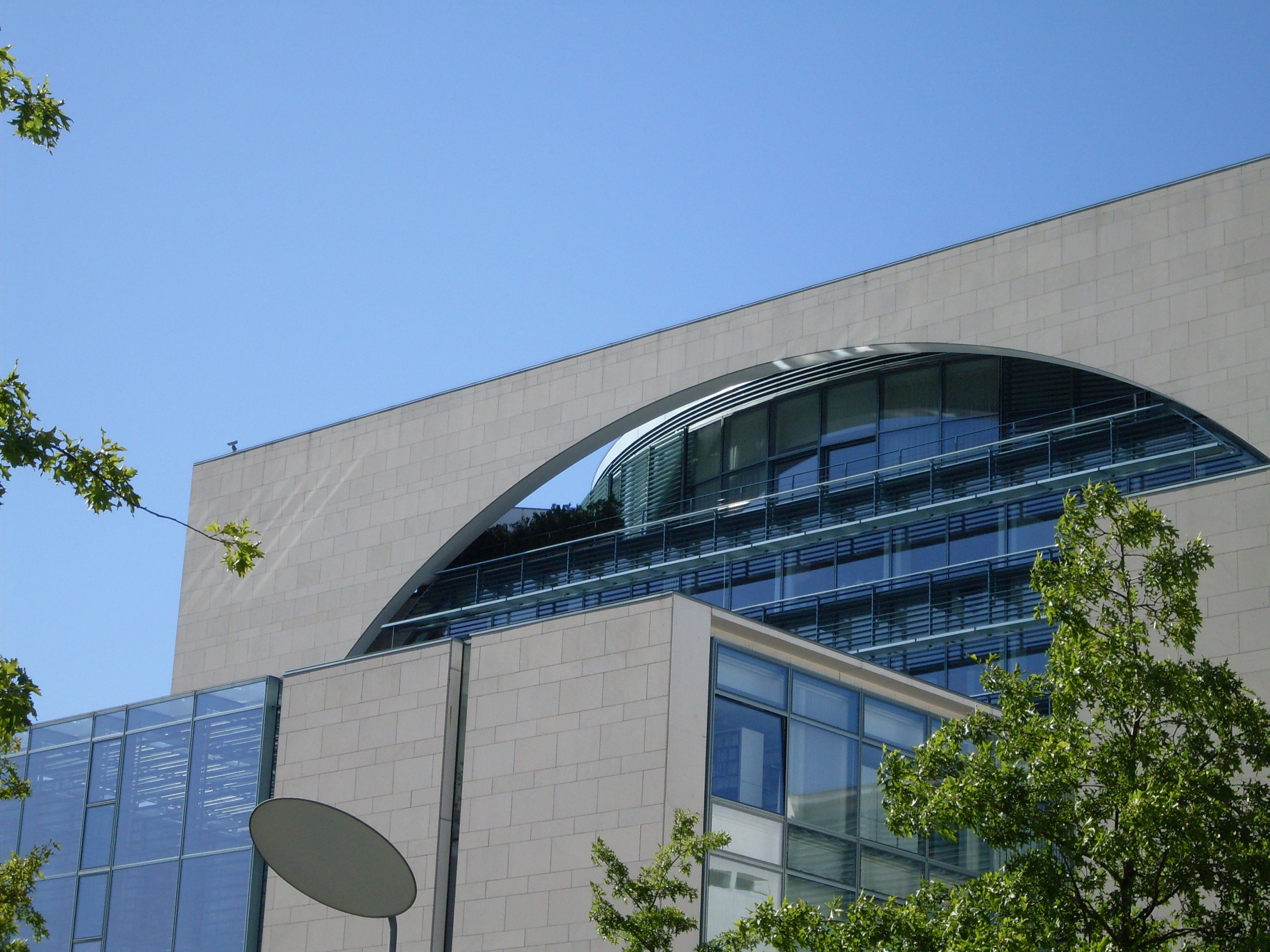
On Tuesday, Chancellor Merz received the leading associations of German capital in the Chancellery. They have been pushing for lower labor and energy costs and rapid implementation of the planned reforms for months. The Federal Association of German Industry has presented a policy paper on this matter.
High Noon or exchange between friends? ForTuesday lunchtimeAt 12:30 p.m., Chancellor Friedrich Merz (CDU) invited the presidents and general managers of the most important German capital associations to his Chancellery. The Federal Association of German Industries (BDI), the Confederation of German Employers' Associations (BDA), the German Chamber of Commerce and Industry (DIHK) and the Central Association of German Crafts (ZDH) were invited. The appointment was not open to the press and no concrete information about the results had been leaked to the media until early Tuesday evening.
Associations are pushing for quick reforms
What can still be easily reconstructed from the reporting and the associations' immediately preceding statements are the topics that the capital representatives apparently urgently wanted to talk to the Chancellor about. All four associations have been urging the federal government to speed up its reform projects for months. Specifically, they are demanding lower labor and energy costs, reductions in bureaucracy, faster planning and approval procedures, lower corporate taxes and social security reforms.
Made for Germany: Merz promises further reforms at capital meetings
DIHK PresidentPeter Adrian, for example, had only warned at the end of September that private investments would continue to be weak, pointing out “high labor costs, too much bureaucracy and high energy costs”: The weak investments showed a lack of confidence among companies in the economic conditions in Germany.ZDH PresidentJörg Dittrich said on Tuesday that Germany “now urgently needs reforms in order to develop new economic dynamism.” In particular, additional wage costs are unlikely to continue to rise.
BDI presents policy paper and calls for cuts in “labor costs”
The BDI even submitted a 40-page document at the end of SeptemberPolicy paper“for a growth-oriented economic and trade policy”. “The industry,” says the BDI, “succeeds in formulating common principles of economic and trade policy despite adverse conditions and different interests within the membership.” The federal government could “take an example” from this. The most important priorities identified by the industry association include reducing the tax burden “on labor and capital”, reducing bureaucracy, an industrial policy aimed at preserving important key sectors, aligning climate and energy policy more closely with costs and competitiveness, and massively expanding security, defense capability and economic resilience.
With its economic policy demands, such as tax cuts and the reduction of “labor costs” (including wages and social security contributions), the BDI is even fully in line with the federal government. The rebuke from the industrialists is primarily about quick implementation. At the same time, the paper contains some implicit distinctions from the AfD, for example when it explains that the “embedding of Germany in European integration” remains a “fundamental prerequisite for growth and prosperity in Germany”. This includes a “liberal immigration regulation for skilled workers”.
Increasing the job supply
The latter is related to the central goal of increasing the job supply, i.e. the number of available workers in Germany, which the association wants to achieve by “setting the course in tax, social and migration policy”. Companies in Germany have been complaining about a shortage of workers for a long time, especially in many skilled professions.
The industrial leaders expressly welcome the government's rearmament course and, in the preamble to the paper, call for a rapid increase in defense spending to five percent of gross domestic product, which is to be financed from the normal budget in the medium term. This “requires consolidation to the same extent” and must therefore be financed through savings elsewhere. At the same time, the BDI warns that bringing in more soldiers and recruits could cause “direct displacement effects on industry”.
Overall, the BDI paper is characterized by the fact that classic market-liberal demands such as deregulation and low taxes are supplemented by calls for an intervention by the state, such as in industrial policy and subsidies. By the end of the decade, industrialists want to increase public and private investments by “a good third” compared to current levels. In principle, the BDI also explicitly accepts protectionist instruments such as “general tariffs” as possible countermeasures against “China’s state-induced massive overcapacity”.
The German auto industry is relying on Eastern Europe – will the plan work?
Competition in China, shaky US partnership: BDI calls for more German independence
Another important focus of the capital association's policy paper is the demand for increasing economic independence from the USA and China. The Chinese competition with their comparatively cheap models is currently hitting the German industry hard, especially in its core areas - such as the automotive industry. In addition, China also has a decisive advantage over Germany in important intermediate products and raw materials,says the policy paper.
In addition, the BDI calls for a “growth-oriented economic policy”; new partner regions should also be created based on economic and “security policy interests”. In the course of this, German capital also needs to appear more self-confident towards the USA: Due to the German state's ongoing military dependence on the USA, they were forced to make concessions in the past. This applies, among other things, to the new customs and trade policy of the USA under Donald Trump, which clearly disadvantaged the European Union.
Associations support Merz
With their statements and papers, the German capital associations support Chancellor Merz's course. Their warnings are likely to be directed primarily against a possible wavering of the SPD in its reform course or internal CDU intrigues against Merz after the recent election disasters. ZDH boss Dittrich said, for example, that “with all the talk about changing the chancellor,” “the coalition and the political center have damaged themselves.”
Given this background, the capital functionaries will certainly have been pleased with the latest signals from the Chancellery: Chancellor Nina Warken (CDU) had first told the business associationsEnd of Septemberassured that there would be no rejection of the planned reforms. These cannot be readjusted either. She also referred this to the planned pension reform including the abolition of the zero-deduction pension at 63 after 45 years of contributions.
The postSemi-public crisis summit: Merz receives capital associations in the Chancelleryappeared firstperspective.
Read the full story at the source
Source: Perspektive Online