
Germany Perspektive Online
Rail freight transport in crisis: DB Cargo is threatened with break-up
The Deutsche Bahn subsidiary DB Cargo is threatened with being broken up. The reason for this is a deadline set by the EU Commission, which forces the ailing freight transport company to be in the black by the end of the year
Deutsch (original) ·Auto-translated to English
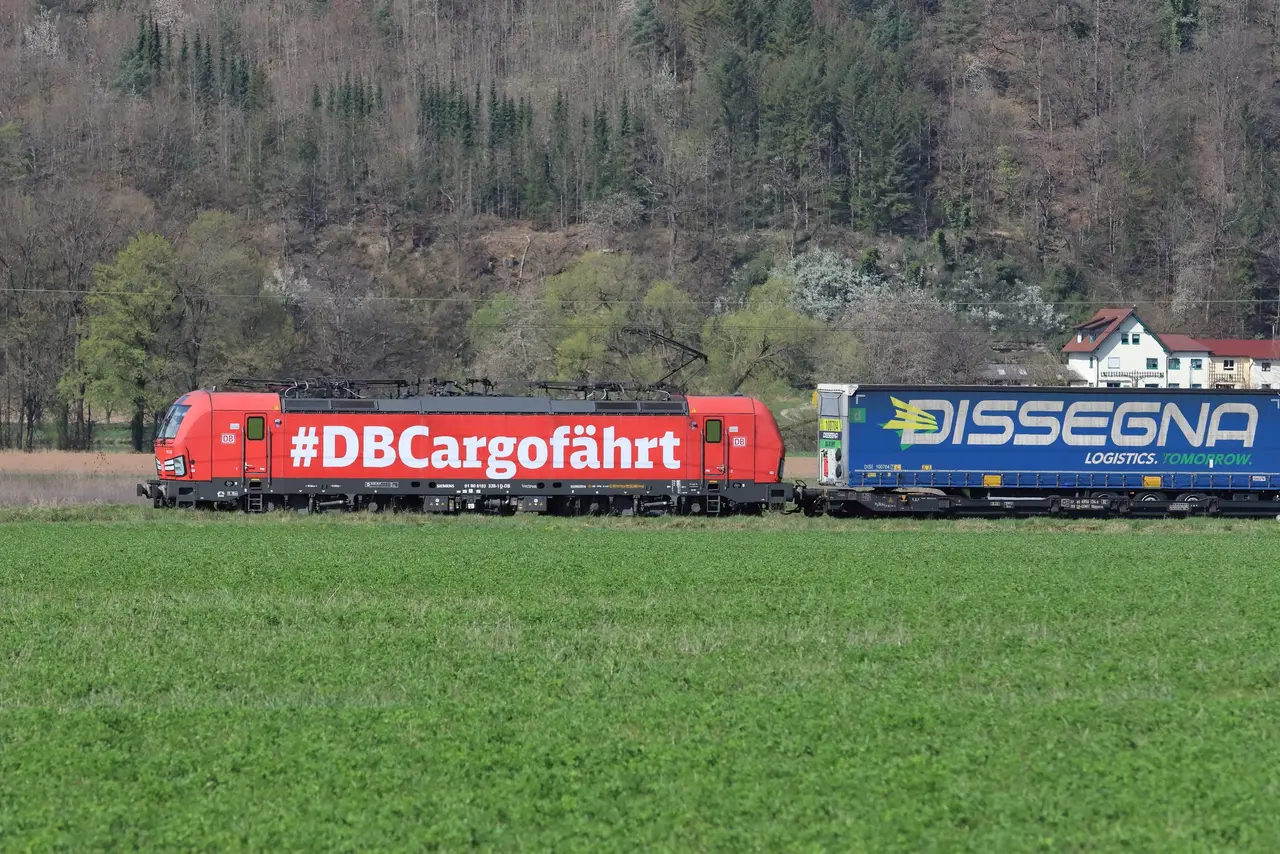
The Deutsche Bahn subsidiary DB Cargo is threatened with being broken up. The reason for this is a deadline set by the EU Commission, which forces the ailing freight transport company to be in the black by the end of the year. Despite the previous restructuring, which has cost many employees their jobs, this could be a difficult undertaking.
DB Cargo, the service provider for rail freight transport within the Deutsche Bahn Group, is threatened with being broken up by the EU Commission. At the end of 2023, those responsible in Brussels gave the company until the end of 2026 to get back into the black. This was preceded by several years of losses, for example almost half a billion euros in 2023.
The subsequent restructuring of the company brought DB Cargo closer to the desired black zero, but the sale of the British subsidiary resulted in negative value adjustments amounting to 260 million euros. The last hope is now to postpone the deadline by one to two years.
Deutsche Bahn is making profits again after years - but it's still not on time
DB Cargo cannot stand on its own two feet – it is threatened with collapse
The reason given by the EU Commission is a distortion of competition with the other divisions of the DB Group compensating for losses in freight transport. This cross-financing was banned at the end of 2024. However, because the freight transport subsidiary is unable to stand on its own two feet, breaking up and selling it is a realistic possibility.
The French freight transport company Fret SNCF was split into two parts in 2024 after similar problemssplit, opened to investors and had to hand over parts of the transport to competitors. In doing so, the EU Commission created a precedent that is now clearly visible to those responsible at DB and the federal government.
Consequences to the detriment of employees
The restructuring of the company so far means a massive savings plan that particularly affects the employees: In Germany, 6,200 of the approximately 14,000 jobs are to be eliminated. The last collective agreement did not bring any improvement in working conditions; it is considered the “second worst result of all time” among employees.viewed. Breaking up the company would likely make the situation even worse.
“Above all, colleagues feel ripped off” – DB workers on EVG collective agreement
The Railway and Transport Union (EVG)warnsalso the consequences for industrial sectors: single wagon transport, which is only offered by DB Cargo due to high costs, could collapse. However, this also enables small to medium volumes and companies without access to block trains to use rail. If those responsible here cut funding, this would risk “hundreds of thousands of jobs in steel, chemicals and other basic industries.”according to the EVG.
The federal governmentappeased. Nobody has any intention of giving up the company; the federal government has invested “more money than ever before” in rail in recent years. While the money is not enough, the federal government has a great interest in the stability of freight transport due to the current development of the armaments industry.
The postRail freight transport in crisis: DB Cargo is threatened with break-upappeared firstperspective.