
Repression Perspektive Online
“Trespass harmful to the community”: draft law plans to expand repression
The Federal Council wants to expand the protection of critical infrastructure with a new criminal offense. In the future, unauthorized entry into certain facilities and drone overflights will be punishable.
Deutsch (original) ·Auto-translated to English
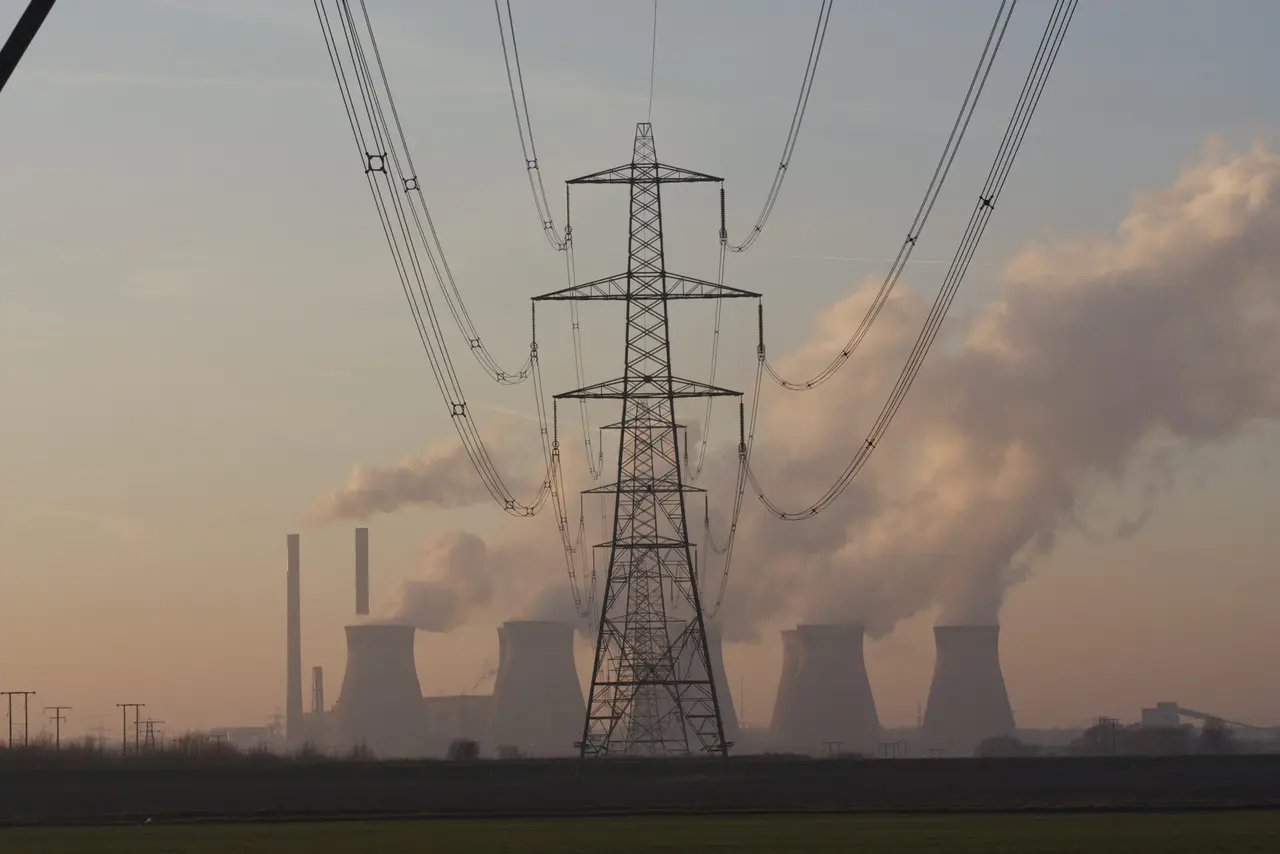
The Federal Council wants to expand the protection of critical infrastructure with a new criminal offense. In the future, unauthorized entry into certain facilities and drone overflights will be punishable. This could particularly restrict political movements in their protests.
The federal government and the states want to tighten criminal protection for so-called critical infrastructure. On the initiative of Hesse, the Federal Council passed a draft law on October 16, 2026 that is intended to include the criminal offense of “trespass harmful to the community” in the Criminal Code. AsJustificationis called protecting critical infrastructure from sabotage.
The draft goes well beyond punishing actual sabotage. Certain actions in the area of critical infrastructure should in future constitute independent crimes. Implementation of the bill could take some time. First, the Federal Council's draft is presented to the government. After six weeks at the latest, it will forward it with its own statement to the Bundestag for discussion and voting.
According to the letter from the Federal Council, the background to the draft law is, among other things, an observed increase in unauthorized drone flights over Germany. But various protest actions as well as the suspected arson attack on a cable bridge in the southwest of Berlin are also given as reasons. This incident has already become an opportunity for Interior Minister Alexander Dobrindt (CDU) to call for a comprehensive expansion of the powers of state authorities.
Internal rearmament: Dobrindt announces repression after sabotage
Even just trespassing becomes a punishable offence
To date, Section 123 of the Criminal Code regulates trespassing. Anyone who unlawfully enters apartments, business premises or secured property or does not leave despite being asked to do so is liable to prosecution. The maximum penalty is one year's imprisonment or a fine. In addition, trespassing is generally only prosecuted upon request.
The planned §123a is intended to provide oneindependent factcreate that specifically affects critical infrastructure systems. The draft provides for three essential regulations. Anyone who unlawfully enters an area, building or part of a building that is used to operate a facility to provide critical services should be punished with up to two years in prison or a fine. This also applies if someone doesn't leave despite being asked.
Unlawful entry of a drone into the airspace over corresponding facilities should also become a punishable offense. For this, the draft envisages a prison sentence of up to one year or a fine. If these acts are committed with the intention of preparing an act of sabotage or an attack, the penalty is three months to five years in prison.
What is particularly crucial is that no intent to sabotage need be proven for the two basic offenses. Actual damage or operational disruption is also not necessary.
What is considered critical infrastructure?
The areas covered include energy supply, transport, health, water, telecommunications, nutrition and finance. However, the draft law is not limited exclusively to systems officially classified as critical. Rather, the decisive factor should be whether a system provides a critical service. Those passed in March 2026KRITIS umbrella lawThe threshold values provided are not intended to represent a final limit.
This means that the range of affected institutions remains comparatively wide. In practice, which systems and which specific operating areas are included will often only have to be clarified on a case-by-case basis. This vagueness is not just a legal problem. Above all, it creates a large framework for the authorities to act within which political protests and actions can be criminalized.
Investigations are also possible without criminal charges
Another important change concerns law enforcement. While the previous trespass generally requires a criminal complaint, the new offense is to be made an official offense. This means that the police and public prosecutor's office can begin investigations on their own initiative as soon as they become aware of a corresponding suspicion. The affected companies would not have to file a criminal complaint themselves.
The background to this is that offenses of this type are explicitly described in the paragraph as a danger to the general public. Hesse's Justice Minister Christian Heinzsays about it: “Critical infrastructure is not just about protecting the owners, but also about protecting the general public.”
Constitutional Protection Report 2025: Dobrindt calls for “upgrade” for a “real secret service”
Together with the broad definition of critical infrastructure, the official scope of state repression is significantly expanded. There does not have to be any specific damage for criminal prosecution. Even an initial suspicion of unauthorized entry can trigger an investigation.
This is particularly relevant for political movements. Protest actions against energy companies, defense companies or transport infrastructure can be more easily tracked and criminalized in advance. The bill itself refers to last generation actions, particularly protests at airports. This makes it clear that the new law not only serves to combat sabotage, but is also intended to make political protest more difficult and contain it.
The post“Trespass harmful to the community”: draft law plans to expand repressionappeared firstperspective.