
Germany · Perspektive Online · · 39m
Savings in care: SPD and Union agree on preliminary reform
Deutsch (original) · Auto-translated to English
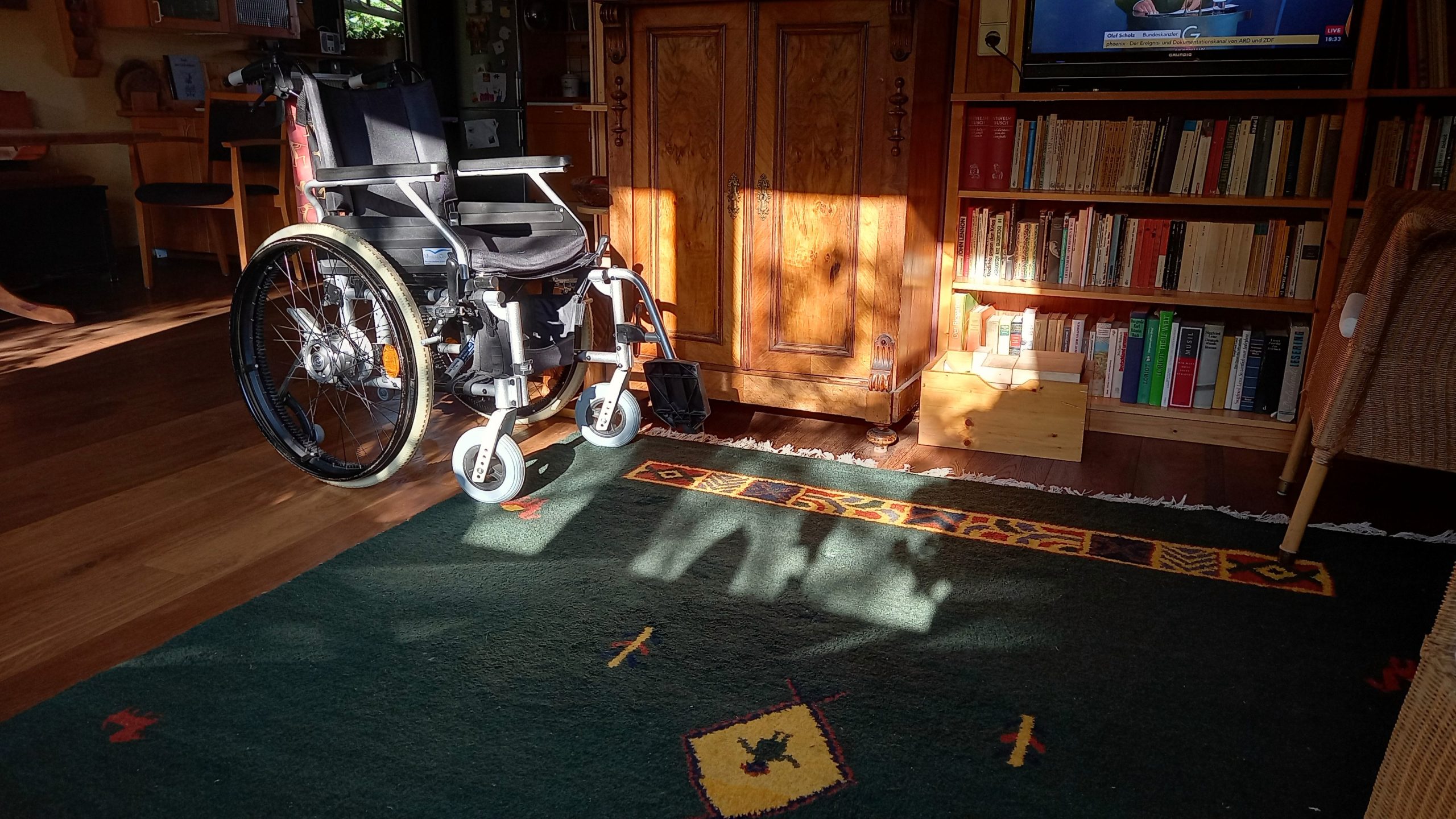
After days of argument, the SPD and the Union have agreed on a temporary care reform. A financial gap of around eight billion euros is to be closed - but the particularly large cuts are still a long time coming.
The federal government published a draft for the nursing care reform today. In this apparent compromise agreement, the governing parties were able to agree primarily on short-term measures to maintain the status quo. The necessary structural reform remainsmedia reportsHowever, as a result. The current aim is primarily to close the expected financial gap of around eight billion euros in the coming year.
Rather, after days of negotiations, the coalition parties were able to reach a minimum consensus. The structural reform will be postponed to a later date, among other thingsDGBmet with great criticism. He speaks of “a disappointing course”. At the beginning of the week, the SPD had announced that it would block a pure cuts program, which is why it remained questionable whether the federal government could even publish a draft law today.
Contribution rate remains stable
The bill includesmedia reportsAccording to this, the contribution rate of 3.6 percent for long-term care insurance should be maintained after it was increased by 0.2 percentage points in 2025. The contribution for those without children will be increased by 0.3 percentage points to 0.9 percent. Further changes and slight increases in contribution payments, for example in the co-insurance of relatives, are set to apply from 2028.
Budget draft for 2027: record spending for the Bundeswehr, cuts in the social sector
In order to provide relief, the law relies not only on higher contributions but also on reducing costs through prevention, for example through a right to an early detection examination from the age of 60, as well as on digitalization and de-bureaucratization. The focus should also be more on rehabilitation measures instead of pure care.
SPD demands cannot be found again
However, a cap for personal contributions to nursing home costs or a compensation solution between private and statutory nursing care insurance, as the SPD demanded and threatened to block the bill, did not make it into the law. The cut in the payment of pension contributions for caring relatives announced by the former Health Minister and current Chancellery Minister Nina Warken (CDU) is also not found in the law after much criticism from parties and associations. Health Minister Carsten Linnemann (CDU) announced this shortly after taking office.
Nursing care insurance in Germany is facing enormous financing problems, which make structural reform essential. The question, however, is who should pay for it. Because inflation is also leaving its mark here. On the other hand, the number of people making claims has tripled from 2 million to 6 million people in 20 years. A trend that will continue and worsen as society ages.
Deficit of eight billion euros
Specifically, the budget for 2027 is currently missing around eight billion euros. In order to cover these costs, the “small solution” of the care reform should now help, which is intended to secure financing, especially in the short term. The planned introduction of a sugar tax to close this financial deficit is currently failing due to a lack of a majority in the Federal Council. Reform proposals from former Health Minister Nina Warken failed before the parliamentary summer break.
Germany's budget situation is burdened primarily by high expenditure on upgrading the Bundeswehr in order to make Germany "war-ready" and by a lack of tax revenue, especially from industry. The reasons for this include high energy prices and dwindling sales markets due to increasing competition, especially from China.
Agreement after a long dispute: a shaky coalition
The current reform proposals come at a time when the governing parties have recently lost support in three state elections. They would like to implement the reforms before the upcoming elections in spring 2027 so that initial successes have a positive impact on the election campaign in their favor.
With this draft, the federal government is trying to solve the most pressing problems in long-term care insurance without being broken by disputes over structural problems. These reforms are primarily smaller measures that cannot permanently solve the structural problems of care financing. This is to be done by another law, which is to be drawn up by a commission of experts by January 2027. According to Federal Health Minister Linnemann, this should make care fit for the 2030s. The composition of this commission is determined by the CDU-led Federal Ministry of Health.
But the current draft law is not yet a done deal either. This still has to achieve a majority in the Bundestag and Bundesrat. In the Bundestag, the governing coalition only has a small buffer of 13 votes for a majority. If there are deviations from CDU or SPD circles, this majority is at risk relatively quickly. Most recently, members of the Junge Union blocked the pension reform.
Recently there has been increasing criticism and protests against the current policies of the federal government and the Chancellor. These culminated in the social protests of the German Federation of Trade Unions, in which over 175,000 people took part. The nursing care reform, for example, has also been discussedGerman Nursing CouncilProtests have already been announced for November. This demands that “the reform must be determined not by the financial situation, but by people’s needs for care.”
The postSavings in care: SPD and Union agree on preliminary reformappeared firstperspective.
Read the full story at the source
Source: Perspektive Online