
Housing Perspektive Online
Thinner ceilings, fewer sockets: Do new cheap apartments mean lower rents?
A proposal to change the law by two SPD ministers envisages lowering building standards and “doing without unnecessary bells and whistles”. This should make building cheaper. Whether lower Sta
Deutsch (original) ·Auto-translated to English
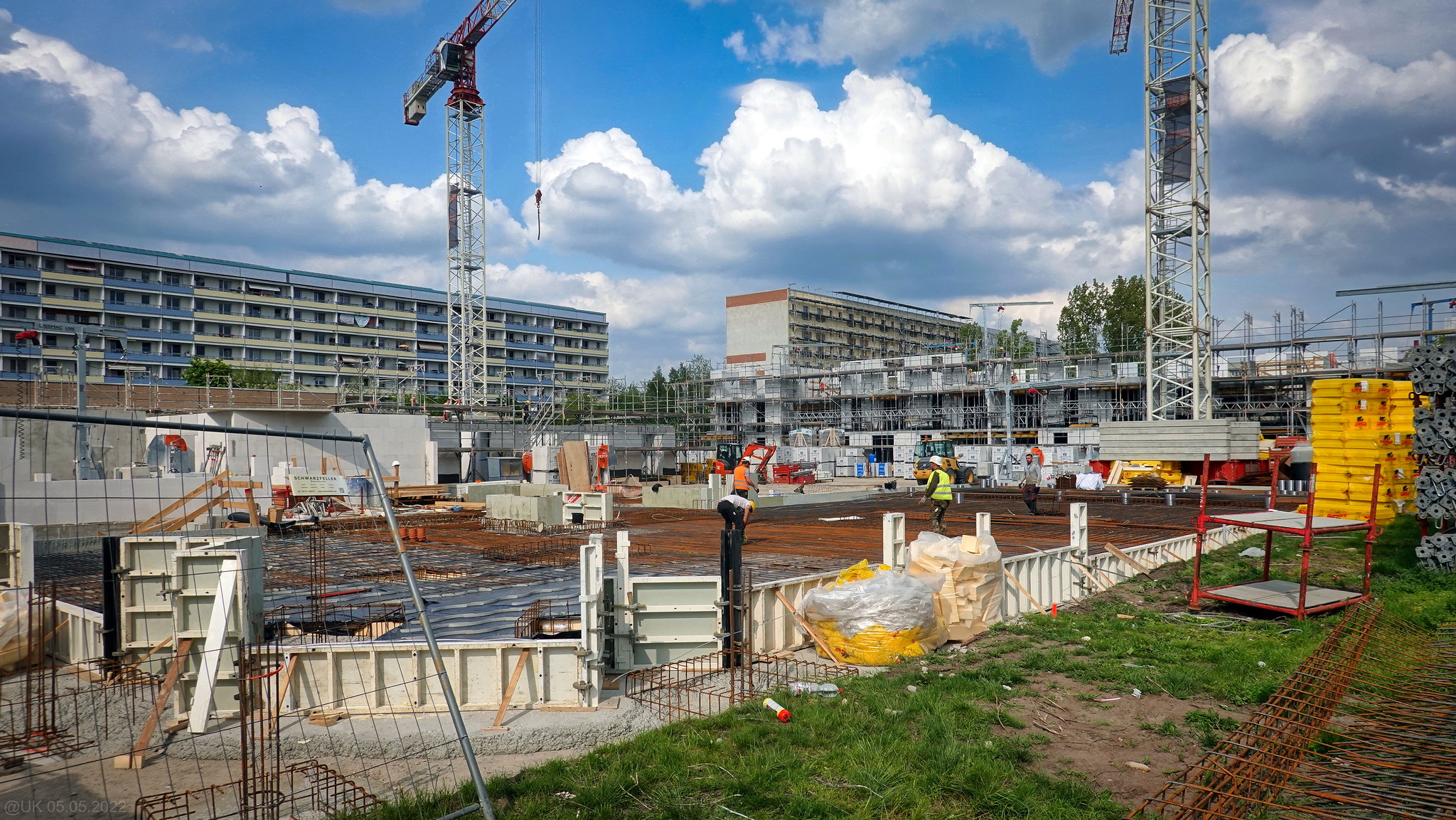
A proposal to change the law by two SPD ministers envisages lowering building standards and “doing without unnecessary bells and whistles”. This should make building cheaper. However, it is questionable whether lower standards also lead to falling rents.
A new bill is intended to reduce the construction costs for new buildings. He provides that certain“Comfort standards”can be reduced for building type E. The two SPD ministers, Federal Justice Minister Stefanie Hubig and Construction Minister Verena Hubertz, are responsible for this initiative. They are calling for a change to construction contract law in order to create legal certainty when waiving non-essential standards.
Until now, it was assumed that a building would be constructed according to generally accepted standards unless otherwise agreed in the contract. However, these standards have continued to increase, particularly with regard to the building materials used and the technical equipment. Construction companies and architects are therefore often afraid to deviate from these requirements - for fear of expensive lawsuits in court. In the future, lower standards will be able to be implemented as long as everyone involved in the project expressly agrees to this.
Moving into an unfinished new building – tenants defend themselves against Vonovia
Safety-relevant specifications remain unaffected
In contrast, previously common features such as certain ceiling heights and thicknesses, roller shutters, or a certain number of sockets per room should no longer be mandatory. According to previous pilot projects, this could reduce construction costs on averageten to 15 percentbe lowered.
Construction Minister Hubertzexplained this, with the appropriate type of construction you can “do without unnecessary bells and whistles”. The Gegen Hartz initiative criticizes this trivialization: "An additional socket and greater protection against noise from the neighboring apartment have very different meanings for everyday life. Anyone who works in shifts, cares for relatives or relies on peace and quiet at home may evaluate sound insulation differently than an investor."
With building type E, the federal government also wants to fundamentally stimulate the construction of new apartments: There are currently almost 170,000 approved new building projects, an increase of twelve percent compared to the previous year. However, it is expected that this trend could reverse again due to rising building material prices as a result of the Iran war.
Associations and federal states have until November 9th to comment on the plans. The regular legislative process then begins. The new law could come into force in mid-2027 at the earliest.
Lower construction costs equal lower rents?
In addition to an expected increase in construction activity, the measures are also expected to reduce rental prices. However, it is questionable whether this will actually be an effective lever.
For example, the tenants' association generally welcomes the fact that construction costs could be saved in the future. At the same time, however, he is calling for further adjustments to sustainably reduce rental costs. The President Melanie Weber-Moritzexplained this: "It is particularly important for tenants that the cost savings resulting from lower building standards are passed on to them so that rents actually fall. We are counting on the proposed draft law to be improved at this point."
One in nine households: millions of people live in apartments that are too small
In addition, in many places apartments that are used and rented out for the first time after October 1, 2014 are exempt from the rent cap. Even if corresponding new buildings were built with lower standards.
In addition, the final rent is calculated not only from the construction costs, but also from the previous investment and property prices. Ultimately, it is conceivable that the loss of comfort would then be noticeable for the residents, but the financial advantage would remain with the housing companies or the landlords.
In addition to material costs, personnel costs are a significant cost factor in the construction industry. If construction is to be cheaper in the future, it stands to reason that savings will also be made in this area. However, the employment situation in the industry is already there todayoften precarious.
Around six percent of all employees in Germany work in the construction industry. Almost a third of them do not have German citizenship. Many are employed without a regular employment contract and work under significantly worse conditions than their German colleagues. Their often precarious living conditions and their legal uncertainty are often exploited.
Berlin: Construction workers only receive wages after months
The problem is not just limited to low wages. Defects in occupational safety also represent a permanent problem. Serious, sometimes fatal, accidents occur on construction sites again and again.
The postThinner ceilings, fewer sockets: Do new cheap apartments mean lower rents?appeared firstperspective.