
Politics · Perspektive Online · · 1h
Bolsonaro wins first round: shift to the right and US influence in Brazil
Deutsch (original) · Auto-translated to English
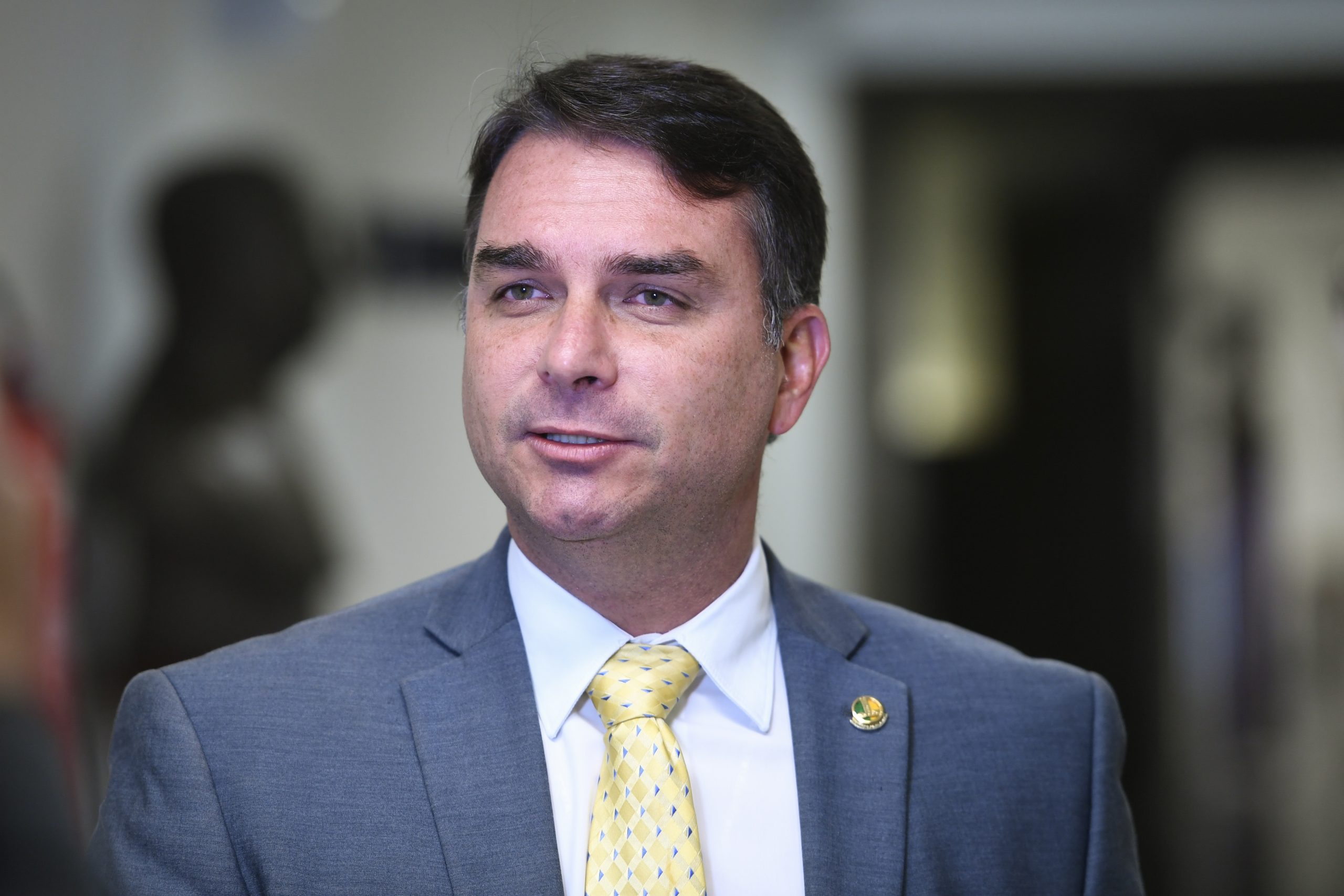
The first round of presidential elections took place in Brazil on Sunday. The main candidates were incumbent President Lula and the son of his predecessor Flavio Bolsonaro. The election will decide the future of the region and the question of the growing influence of the USA or the partnership with China. – A comment from Dalia Ali.
This October there will be another presidential election in Brazil, four years after the last election. Thirteen candidates stood for this year's election for head of state in the largest South American state. As the main candidates, incumbent President Lula da Silva and Senator Flávio Bolsonaro are in a close race.
According to the first partial results of the election, Bolsonaro is ahead of incumbent Lula. He received almost 47 percent of the votes cast. According to the count, incumbent Lula has 45.16 percent of the votes. Since none of the candidates received an absolute majority, the second round of voting will take place on October 25th.
All other candidates received correspondingly low approval ratings. The other candidates included representatives from a wide range of parties such as the Communist Party PCB, the Trotskyist-socialist party PSTU and the social democratic party PSD.
The election is taking place at a time of increasing right-wing movement in Latin America and is probably also crucial for the future of Brazil. The central issues in the election campaign include the question of the influence of the United States of America, trade relations with China and Europe and social legislation.
Lula: Social Policy & National Sovereignty
President Lula is running for the social democratic workers' party PT and would start his fourth term in office at the age of 80 if he wins the election. Lula, a former metal worker and union leader of the metal workers' union, held the office of president from 2003 to 2011. Then again from 2022.
He refers to the social achievements that were achieved during his time in office. “We have led 27 million people, who lived in darkness and darkness as in the 17th century, into the future,”he said. He particularly emphasizes the fight against famine and poverty in northern Brazil.
Also oncurrent successessuch as falling unemployment, growing economic exports and the preservation of the Amazon reflect his social democratic policies. Brazil's economy is growing: first by 3.2 percent in 2023, then by 3.4 percent in 2024. However, this growth does not reach the population.
Eight out of ten households are in debt, despite the Lula government's debt relief programs. In addition, productivity remains comparatively low in many economic sectors. The reason for this is, among other things, the high key interest rate, which makes loans in Brazil very expensive, according to the political scientistClaudi Zilla. So the economy continues to develop without any money going back to those who keep it running.
Return of Bolsonarism?
The right-wing senator Flávio Bolsonaro will run against Lula in the upcoming runoff election. He is the eldest son of the now imprisoned ex-President Jair Bolsonaro and is also leading his election campaign. He announced that he would pardon his father if he won the election. He is serving a 27-year prison sentence because he planned a coup attempt after his defeat in the 2022 presidential election.
Bolsonaro is the candidate of the Liberal Party PL and has been a senator in the state of Rio de Janeiro since 2019. He takes a great role model from Argentine President Javier Milei. Sopromiseshe also massive privatizations, cuts in public spending and a reduction in national debt. In terms of internal security, Bolsonaro would like to change a few things that he is already implementing in Rio de Janeiro: the police should be given more powers and high-security prisons in the style of Alcatraz Prison should be built. Sex offenders should be able to be chemically castrated there.
With his agitation against LGBTI+ people and abortions, Bolsonaro particularly affects the right-wing campapproval. Even though he presented himself as a “moderate” in a radical family, he is now moving closer to his father's positions. He questions the electronic voting system, wants to declare all criminal groups “narco-terrorists” and reduce the age of criminal responsibility for more serious crimes. He downplays the brutal military dictatorship that ruled Brazil from 1964 to 1985 as the “transition to democracy.”
There is also a risk of a domino effect in Brazil
Even before the elections, the question was:relationshipsto the US Trump administration is very central to Brazilian foreign policy. Last year, the U.S. government imposed tariffs on Brazil, sanctioned a Supreme Court justice and revoked the visa of Brazil's ambassador to Washington.
At the UN General Assembly at the end of September, Lula emphasized Brazil's sovereignty. The Trump administration declared Latin America to be the geopolitical “backyard” of the US, whereupon Lulaproclaimed: “We don’t fit in anyone’s backyard.” Under Lula, Brazil is proving to be an important trading partner for Europe and China and is part of the BRICS group. The Trump administration wants to break these relationships and establish a trade monopoly.
President Trump consolidated US imperialist aspirations in the “Donroe Doctrine”: an aggressive new version of the Monroe Doctrine that establishes US supremacy in the Western Hemisphere. Through the fight against cartels, the containment of migration and economic support, China's influence in South America is to be reduced and a unique position as a trading partner is to be enforced. Brazil is just the latest destination in a long list that is in the interest of the US government.
The imperialist military alliance “Shield of Americas” was founded for these interests. So far, Brazil is not one of the 19 member states. However, Bolsonaro proposed joining in the event of an election victoryOutlook.
Brazilian authorities are also currently investigating a possible multi-million dollar caseinterferencethe US government in the Brazilian election campaign. Accordingly, the US State Department is said to have financed a campaign against the Brazilian Supreme Court with one million US dollars.
“Shield of the Americas”: USA forms imperialist military alliance against China
Brazil should be on Trump's serving plate
In contrast to his opponent Lula, who relies on free trade relations without ties, Bolsonaro wants to break ties with China and turn to the USA. In keeping with his father's tradition. After Jair Bolsonaro's election defeat in 2022, his supporters stormed Congress, the Supreme Court and the presidential palace - following the example of the "riots" on January 6, 2021 at the Capitol in Washington.
Than thatSupreme CourtThen condemned the ex-president for the attempted coup, the Trump administration imposed tariffs of 50 percent on Brazilian goods and spoke of a “witch hunt” against Bolsonaro. In addition, the Treasury Department sanctioned senior judge Moraes.
After Argentina, El Salvador, Chile, Colombia, Venezuela and many other countries in Central and South America, Brazil is now on the serving platter of US imperialism. The presidential election not only decides on economic relations and the status of social laws.
It decides whether the next domino will fall in Latin America and another country will come under increased US control. After the first round of voting, Bolsonaro's chances are very good.
The postBolsonaro wins first round: shift to the right and US influence in Brazilappeared firstperspective.
Read the full story at the source
Source: Perspektive Online