
World · Labour Hub · · 2h
Big Tech Is US Tech
English (original) · Read in Deutsch ⇄
This is the first in a series of articles by Carl Rowlands that attempt to apply the principles and approach of Stuart Holland’s 1970s “Alternative Economic Strategy” to some of the combined tech, political and economic questions facing the UK in the 2020s.
The story, as recounted, goes as follows. Francesca Albanese, UN Special Rapporteur for the Palestine Occupied Territories, one of Israel’s fiercest human rights critics, was giving a speech in Slovenia, passionately highlighting the genocidal situation in Gaza and the illegal settlements in the West Bank. Upon concluding her address, one of the organisers took her aside and whispered, “The United States has imposed sanctions on you.”
With those words, her world changed. Within days she no longer had access to banking services. Her credit cards no longer functioned. She now operates largely without a formal identity, surviving on cash and the goodwill of friends and family. Her email accounts have been disconnected.
This may seem like something from a 1990s action thriller, but this is a prime example of the Trump administration showing its teeth; using its dominance in finance and tech platforms to intimidate and exclude individuals, and in the case of the International Criminal Court – officials in globally-recognised institutions – deliberately disconnecting people for overtly political reasons.
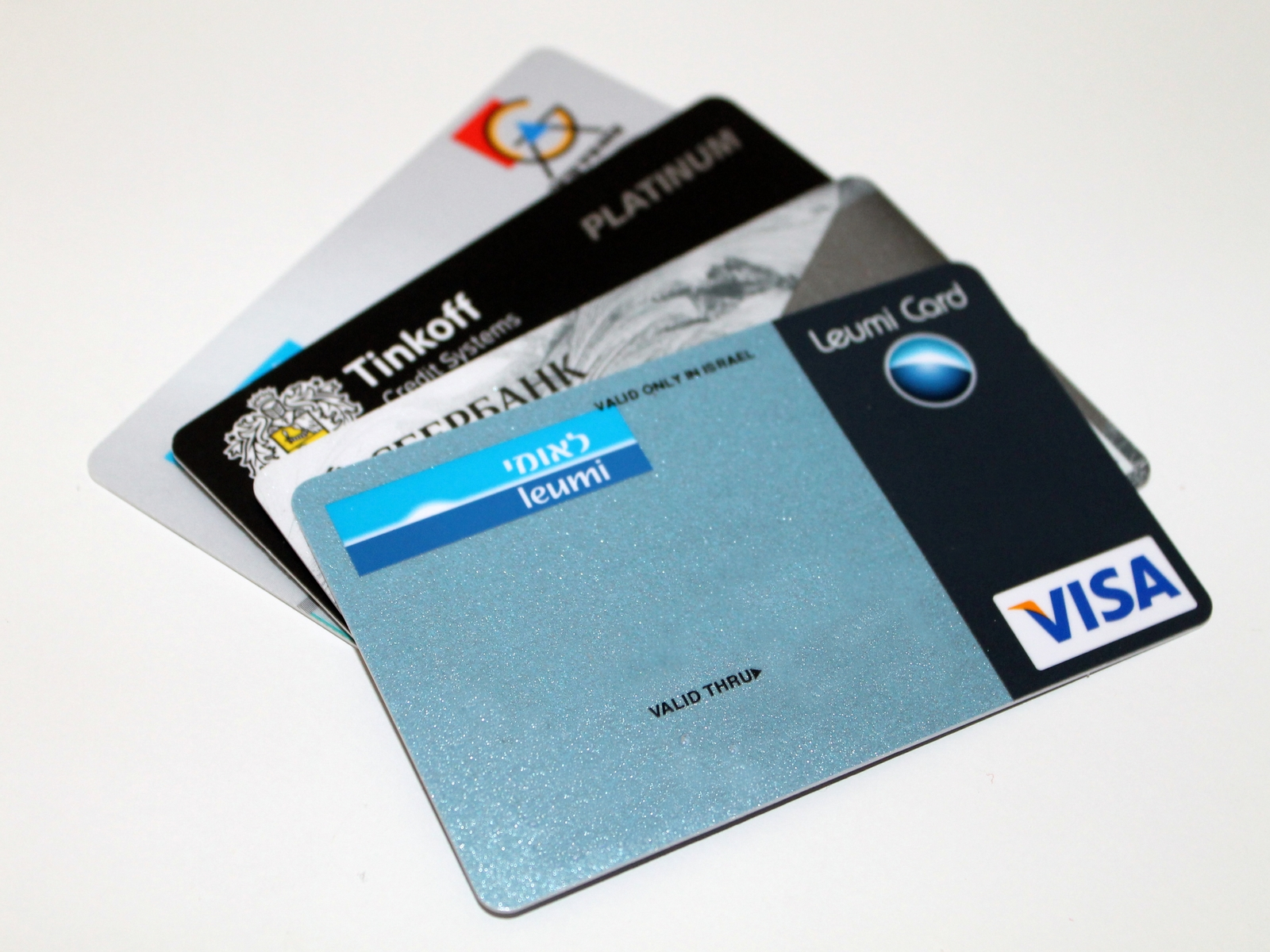
Throughout Europe and much of the world there are two main providers of credit card services, officially known as “card rails”. Both VISA and Mastercard are based in the US, and both of them expose sales data to a transatlantic connection, as well as creating the kind of geopolitical risk that the Albanese case highlights. They act as an informal tariff upon sales generated in European countries. In response, arguably an extremely belated response, there is a large project across a number of European countries, called Wero. This effectively merges existing national payment systems and aims to offer an alternative for European transactions by the end of 2027.
Unfortunately, as things stand, this does not currently include banks in the UK other than Revolut, who plan to offer Wero to some of their customers within the EU. The vulnerability to direct political pressure from the US is not mitigated. But not only is there no mitigation – there is almost no political acknowledgement around the political spectrum in the UK – especially from the ‘pro-sovereignty’ right, but also the left, that this level of dependence upon the United States is a problem.
Britain’s situation is therefore highly exposed. It is hard to imagine a Prime Minister in the UK ever being overtly critical of the actions of the United States. This would represent a huge break – the potential emergence of the UK as a counterweight to US soft power. But imagine an influential politician being deeply critical of various US policies and being immediately excommunicated from US-based services and platforms. And, with the cretinous and reckless nature of the Trump administration, one would also wonder if entire countries – democratic countries considered part of the West – could be excluded en masse.
These dependencies run through different everyday services and platforms in our lives. It can be the very operating system which renders the text you are reading right now and the servers which ultimately provide this article as raw data. In his book Vassal State, Angus Hanton documents the extent to which so much infrastructure in the UK is dominated by American-based multinationals, to a much greater extent than the majority of other European countries. It’s not just tech. This includes food supplies, logistics, land ownership and many essentials of life, as US private equity and corporations have muscled their way into public provision, and the NHS, in particular.
This series of articles will look primarily at ways of regulating and directly intervening in the implementation of tech in the UK, including what is most commonly referred to as AI. We’ll go into some depth about what this might require. But the first point, as Hanton highlights, is that ‘Big Tech’ almost always means ‘US Tech’. If there is no plan to establish ownership over strategic assets or assert a degree of operational autonomy over critical infrastructure, there is only a vanishingly small pathway to the effective regulation of AI, or various tech platforms and services.
In order to assert itself in any way over these domains, I would argue that the UK state will need to intervene economically in a much more granular and intensive way than has been the case since the 1970s. The first suggestion, therefore, is the re-creation of the National Enterprise Board (NEB), with a remit to invest and develop economic enterprises in the wider societal interest. I would suggest the first priority of any new iteration of the NEB would be to reduce the UK’s financial dependency on the US, by working with the burgeoning fintech sector in London and co-operating with the existing European initiatives.
There would be many potential programmes to enact. We cannot let strategically important industries be swallowed up by vulture capitalists, wherever they are based. The focus should primarily be on creating a more caring and equal society.. but the first aim, a very realistic aim, has to be to join efforts to break the United States’ stranglehold on card transactions.
Carl Rowlands works as a learning resource creator, teacher and writer. He is based in central Europe and the UK.
Image: https://openverse.org/image/4d6dd6cd-6849-42a6-9b4a-8add64954431?q=bank+cards&p=21. “Bank cards” by MediaPhoto.Org is licensed under CC BY 3.0.
Read the full story at the source
Source: Labour Hub