
World · Jacobin · · 1h
Charity Ends at Home
English (original) · Read in Deutsch ⇄
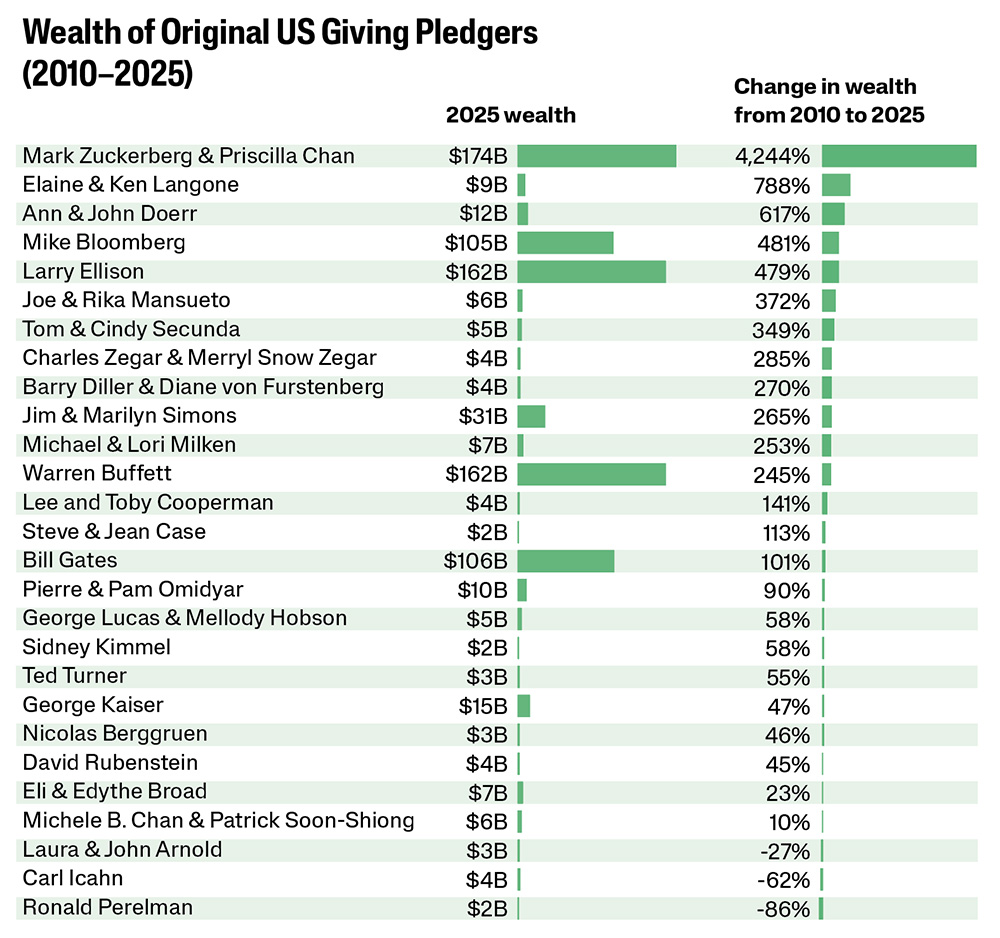
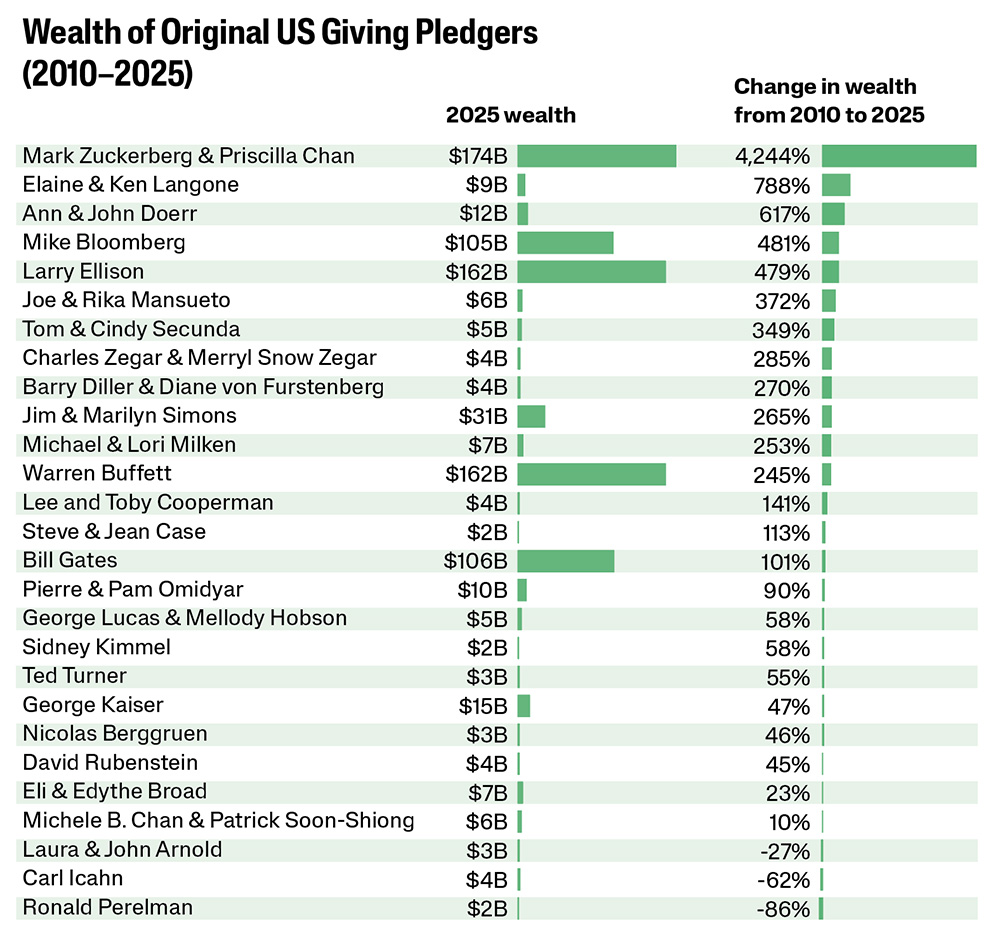
The past 15 years since the hopey, changey heyday of Barack Obama–era philanthrocapitalism have made the limitations of charitable giving abundantly clear. In 2010, Bill Gates, Melinda French Gates, and Warren Buffett debuted the Giving Pledge, a charitable campaign that invited the richest people in the world to give away at least half of their wealth. The Institute for Policy Studies found last year that the majority of money donated under the auspices of the pledge went to private foundations run by the very families pretending to relinquish their riches. Many of the initiatives helmed by those foundations have proven ill-advised — the Gates Foundation, for example, has presided over both disastrous green agriculture efforts in Africa and failed education initiatives on the domestic front — though the glut of headlines celebrating charitable giving tends to paper over the problems with armchair philanthropy. Best of all for these billionaires underwriting US soft power, signatories of the Giving Pledge have almost universally grown even wealthier in the decade and a half since Buffett and the Gateses first debuted the initiative.
But just as the American government has, under Donald Trump, abruptly abandoned USAID-style soft power, billionaires have also pivoted away from their former development initiatives: politicians and former philanthropists alike now routinely mock the myriad failures of the Giving Pledge, with Peter Thiel excoriating the entity as an “Epstein-adjacent, fake Boomer club.” Under Trump, there has been a resurgence of big-stick diplomacy on the global stage, and well-heeled donors have redirected their cash into their own aggressive pursuit of political goals — specifically, funneling record-breaking funds into super PACs that advocate for things like cryptocurrency and artificial intelligence.
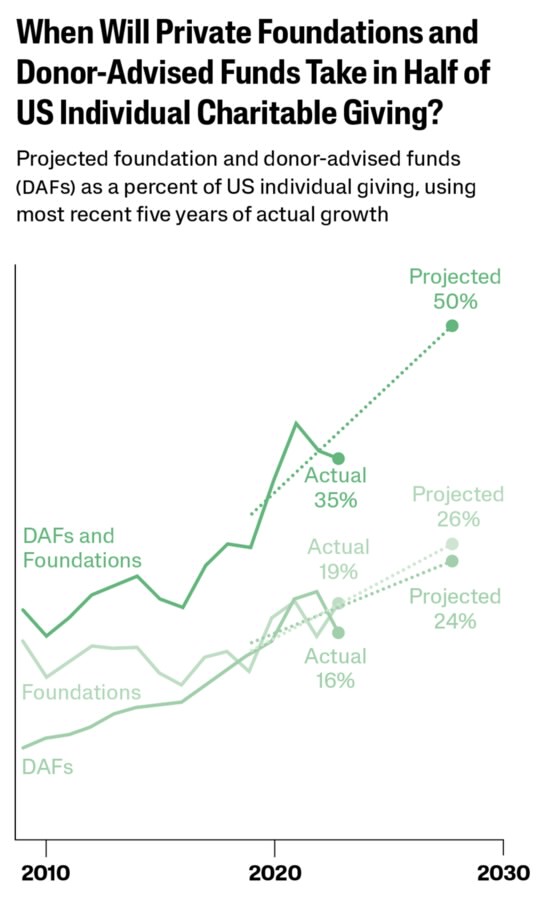
Philanthropic giving certainly persists, but its endurance has more to do with financial incentives than moral inspiration: charitable gifts overwhelmingly end up in family foundations and intermediary vehicles like donor-advised funds, both of which allow the wealthy to take advantage of charitable tax breaks without actually yielding control of their cash.
Read the full story at the source →
Source: Jacobin