
World · Freedom News (UK) · · 35m
The politics of the commons
English (original) · Read in Deutsch ⇄
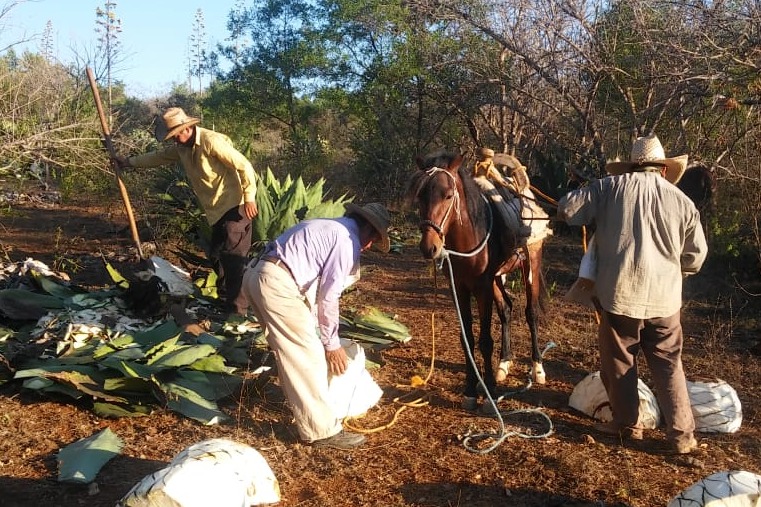
Capitalism begins from a simple assumption: resources can be owned. Land can belong to an individual. A factory can belong to a corporation. Software can belong to a company. Data can become an asset. Knowledge can be enclosed behind intellectual property.
Anarchist politics begins by asking a different question: What if some things should belong to everyone?
A commons is a resource collectively governed by the people who depend upon it. Its participants establish rules for access, maintenance and use rather than simply handing control to an owner or distant authority. The commons offers an alternative to both private ownership and centralised state control.
This idea can be applied far beyond traditional common land. Housing can also become a commons. Community land trusts and cooperative housing models separate land from speculative ownership and allow residents to collectively govern their homes.
The objective is not to make housing free of responsibility. Residents still maintain buildings, pay costs and establish rules. The difference is that housing becomes a collectively governed social resource rather than primarily an investment asset.
Urban infrastructure could follow the same logic. Community energy systems, shared workshops, local transport networks and neighbourhood gardens can all operate through collective management.
Publicly funded research could produce technologies available for collective use rather than being enclosed behind permanent commercial ownership.
Digital knowledge can also become a commons. Open-source software already demonstrates how large communities can build sophisticated technological systems without conventional corporate ownership. Contributors cooperate across borders, improve shared infrastructure and make their work available to others.
Digital technology could also make some forms of commons governance easier. Transparent records, open-source tools, and distributed decision-making systems can help communities coordinate across geographical boundaries.

The same principle could extend to artificial intelligence. Instead of allowing advanced computational resources and models to become concentrated entirely within a few corporations, communities could develop open AI infrastructure governed through transparent rules.
But technology cannot replace political participation, since a commons is not simply a database or a platform, not just an economic arrangement, but a political relationship. People who use a commons participate in governing it.
This is unlike the relationship between citizen and institution. Instead of receiving services passively from either corporations or governments, people are active participants in maintaining commons and governing shared systems.
There are obvious challenges. Commons can be badly managed. Communities can exclude outsiders. Participation can become dominated by particularly powerful members. Rules can become complicated. These problems do not invalidate the concept, but demonstrate that collective ownership requires institutions. Anarchism means no rulers, not having no rules. It means creating rules without permanently concentrating power in a ruling authority.
The deeper significance of the commons is that it challenges the assumption that every useful resource must have a conventional owner. Some things can be collectively governed because people depend upon them together. The future of radical politics may therefore involve expanding the territory between private property and state ownership.
More land can become community-governed. More knowledge can become openly accessible. More technology can become collectively controlled. More infrastructure can become locally governed.
The commons offers a simple but radical proposition: Not everything valuable needs an owner. Some things can belong to everyone precisely because no individual owns them.
The post The politics of the commons appeared first on Freedom Press.
Read the full story at the source
Source: Freedom News (UK)