
World · Counterpunch · 1970-01-01
Conservation Groups Sue to Protect Critical Wildlife Connectivity Corridor from Massive Forest Service Clearcutting and Burning Project in South Tobacco Root Mountains
English (original) · Read in Deutsch ⇄
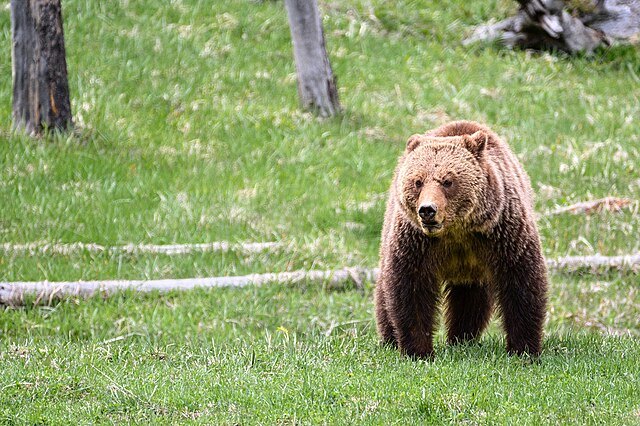
Photograph Source: Eric Kilby – CC BY-SA 4.0
The Alliance for the Wild Rockies, Native Ecosystems Council, Gallatin Wildlife Association and Council on Wildlife and Fish is taking the Forest Service to court to stop a massive clearcutting and burning project in the South Tobacco Root Mountains in southwest Montana. The Forest Service’s plan illogically and illegally destroys important habitat for four endangered species instead of protecting and recovering them as required by the Endangered Species Act. The project area is about 10 miles north of Virginia City and authorizes 3876 acres of logging including 578 acres of large clearcuts, and burning 12,420 acres, much of it sage grouse habitat.
Severs critical grizzly bear connectivity corridor between Greater Yellowstone Ecosystem and Northern Continental Divide Ecosystem
The project includes habitat removal for the vital South Tobacco Roots connectivity corridor that is essential to allow genetic exchange between grizzly bears from these two ecosystems to prevent irreversible inbreeding. Most grizzlies are killed near roads—and this project will bulldoze 14 miles of new roads.
The Forest Service recently amended its Forest Plan to eliminate legally-binding wildlife habitat protections on 1.1 million acres of the Beaverhead-Deerlodge National Forest. To put it in perspective, that’s removing Endangered Species protections for Canada lynx habitat from an area larger than Glacier National Park—all of which are listed as threatened under the Endangered Species Act.
Whitebark pine are listed as threatened under the Endangered Species Act and are present on 2,028 acres of the project area. Whitebark pines can live more than a thousand years and are considered a keystone species because they increase biodiversity and play a critical role in the life cycle of many other species. Importantly, the seeds of the pine cones are rich in fat and protein, serving as a food source for a variety of wildlife, including grizzly bears, red squirrels, and Clark’s nutcracker. The Forest Service is legally required by the Endangered Species Act to recover this ancient species—killing them is not recovery.
Supposedly this project is to protect homes from wildlife. But the project includes logging well beyond the legal definition of what is considered the wildland urban interface. This is another issue we recently won in court. As Jack Cohen, the retired director of the Forest Service fire lab in Missoula recommended, the best way to help residents harden their homes against wildfires is by having non-flammable roofs and decks and trimming trees right next to homes, not logging pristine wildlife habitat miles from the homes.
The South Tobacco Roots Project contains the same illegal attempt to destroy grizzly habitat as two projects that Montana courts already invalidated—the South Plateau Project outside Yellowstone, and the Greenhorn Project just south of the Tobacco Roots. We won both cases because the Forest Service and US Fish and Wildlife Service broke the law by trying to define grizzly secure habitat as merely ten acres, which is not supported by science.
It’s a waste of taxpayer resources for the Forest Service to ignore previous court orders to push its logging first agenda; so we’re back in court again, holding the Forest Service accountable to follow the law, just like the rest of us have to do every day.
We are fighters and there aren’t a lot of fighters for wildlife habitat left. Please help us continue to fight by making a donation to the Alliance for the Wild Rockies today. Please also consider donating to Counterpunch so they can remain fiercely independent.
Mike Garrity is the executive director of the Alliance for the Wild Rockies.
Read the full story at the source →
Source: Counterpunch