
World Africa Is a Country
Beyond survival
At Lagos’s Friends and Neighbours Festival, queer Africans came together to imagine a future beyond resilience, repression, and the constant negotiation of safety.
English (original) ·Read in Deutsch ⇄
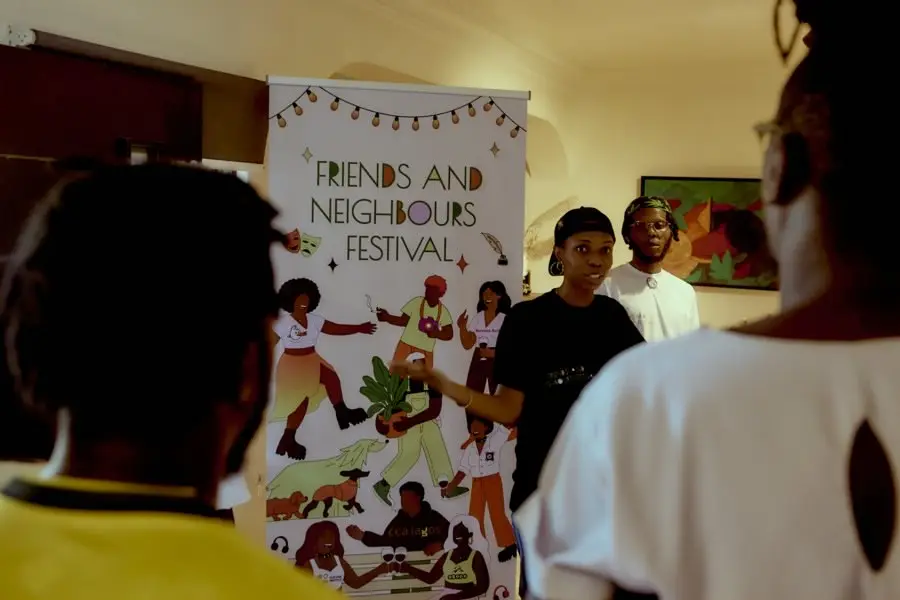
Queer festivals are few and far between in West Africa. Those that afford the display of different media are even harder to come by. So, it was refreshing to see Obodo open its doors to people from across the continent for the Friends and Neighbours Festival in early October.
The festival included workshops on fiction writing, poetry, arts and crafts, photography, film screenings, panel discussions, performance arts, drag shows and different forms of existing as a queer person. It brought, or rather returned, to the fore the versatility of the queer mind, the ability to fashion beauty even in the direst situations, and the hope to keep the light shining when survival feels like a threat.
Queerness has been regarded as an export of the West, and there has been little to no acknowledgement of queer Africans from precolonial times. What does it mean to define queerness in our own language and words outside Western thought? What does it mean to stop seeking permission?
Conversations focused on community building as an act of rebellion. Panel discussions featuring queer activists from different parts of Africa discussed the challenges of inter-border relations, conflicts foisted on queer Africans by imperial influence, and the roles our elected rulers play in tightening the noose. The conversations moved around the nuances of acceptance in different countries and the politics of navigating unsafe spaces. And while much attention was drawn to the good that queer people are up to in this harsh climate, there were constant reminders not to celebrate resilience as accommodation but to constantly push for better living conditions across the board. Notwithstanding the social spaces that afford safety, and organizations that advocate for queer people of all kinds, queer people still exist in societies where these safe spaces and advocates are necessary for survival. What will life look like when being queer is finally destigmatized, decriminalized and decolonized?
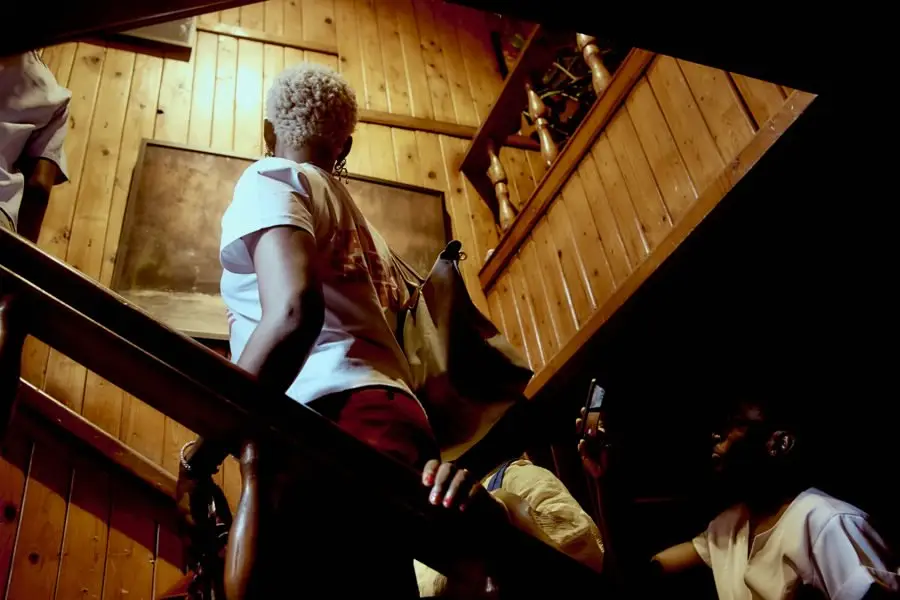
Queer women, trans and non-binary people continue to create spaces that afford queer people freedom to express themselves fully. This was evidenced in festival productions, such as When Women Gather by the filmmaker Aamowi (supported by Obodo), and Trace of Ecstasy. When Women Gather is the first in a series of documentaries illustrating how queer women, trans and non-binary people shape and navigate their cities’ nightlife, with the first case study set in Lagos, Nigeria. The post-screening discussion opened a conversation on what goes on behind the scenes to curate the safety of third spaces. One of the documentary’s characters, Doja, was present and discussed what it cost her to curate events: sitting to drink with area boys to humanize herself to them and, by extension, provide a cover of safety for the people she’d be inviting to her event. The filmmaker, Aamowi, spoke in detail about their experience making the film, the care they took to source archival footage and interview people.
Trace of Ecstasy was a particularly stunning performance by Emmanuel Ndewo and Adebayo Quadry — the first in front of a predominantly African audience. The post-performance discussion featured conversations about how art changes form in accordance with the audience’s reception. Reflections on the performance on the following day of the festival focused on the intersection of the practical and the theoretical, the juxtaposition of academic knowledge with lived experiences as was evidenced in the synchronized nature of the performance. It was also interesting to note the different ways contributing to the community manifested for different people. For some, it was opening their house to unhoused people; for others, it was providing third spaces for leisure activities, such as raves and film screenings.
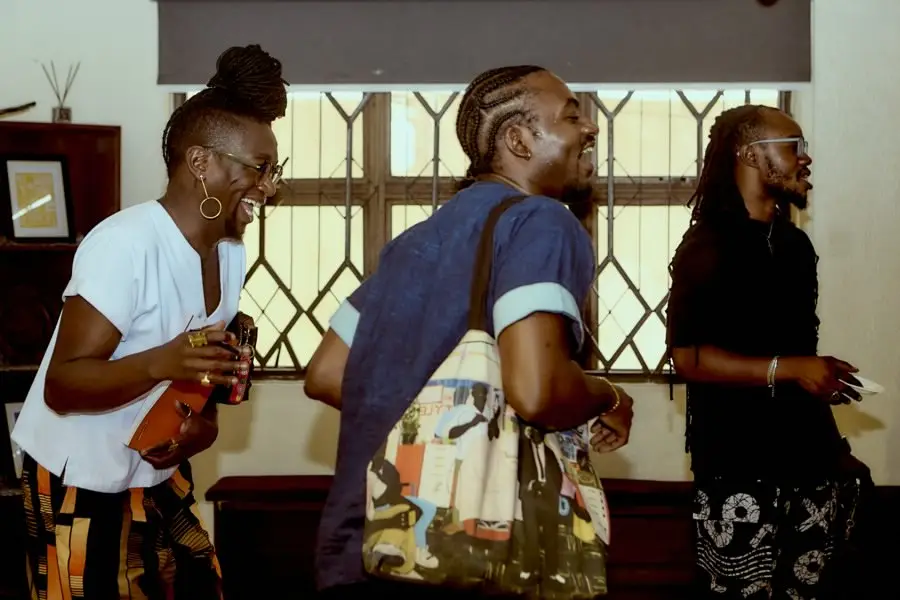
In an interesting twist, the chosen location for the second day of the festival was the British Council, bringing into question why, so often, our engagements must bear the coloniser’s touch to be legible and visible. I couldn’t help thinking about the accessibility of spaces like these to the average queer person without privilege; about curating spaces that are for queer people living with disabilities; of the nuances of colourism and class and what these afford some and cheat others of.
The festival attempted to answer questions on the future of queer life in public spaces in Nigeria; the way queer people dominate some of the largest public gatherings in Lagos nightlife; and the collaboration of queer bodies in the art space. While the festival acknowledged the prudence of resilience, the organizers and participants were equally aware that survival does not address hostility and other challenges in meaningful ways, let alone help effect desired changes. Among the takeaways from the festival was the impassioned call to activism and building frameworks for future works. These reflections set the stage for further discourse. No ready answer was provided on the future of queer life in Nigeria, but attendees left rejuvenated with thoughts of what queer people in numbers can do and continue to do.
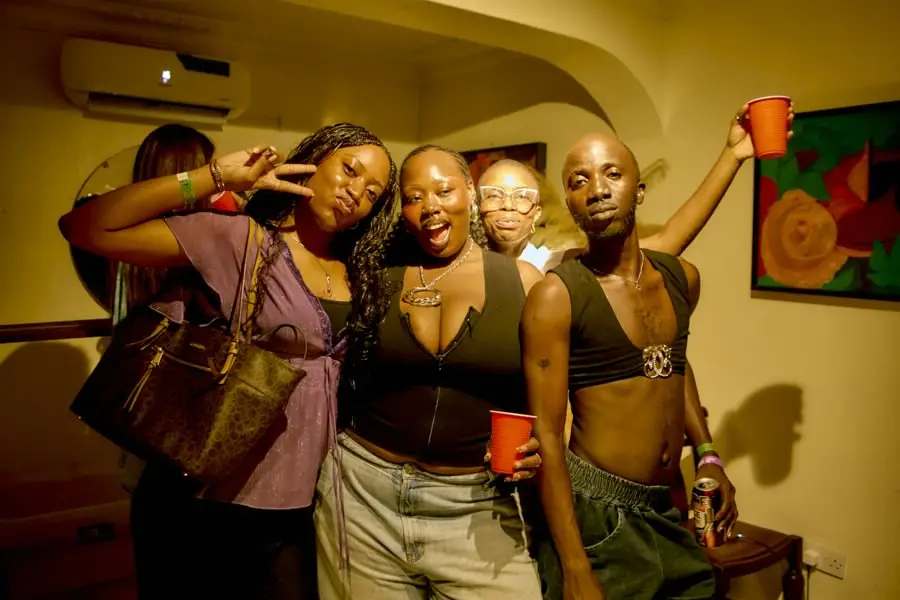
I am looking forward to future editions of Friends and Neighbours, with more ordinary, queer people in attendance who can cause ripple effects in the ecosystem. The festival received many kudos; the conversation, on the other hand, continues. That is the labor and the reward.