
World taz
Deutsch (original) ·Auto-translated to English
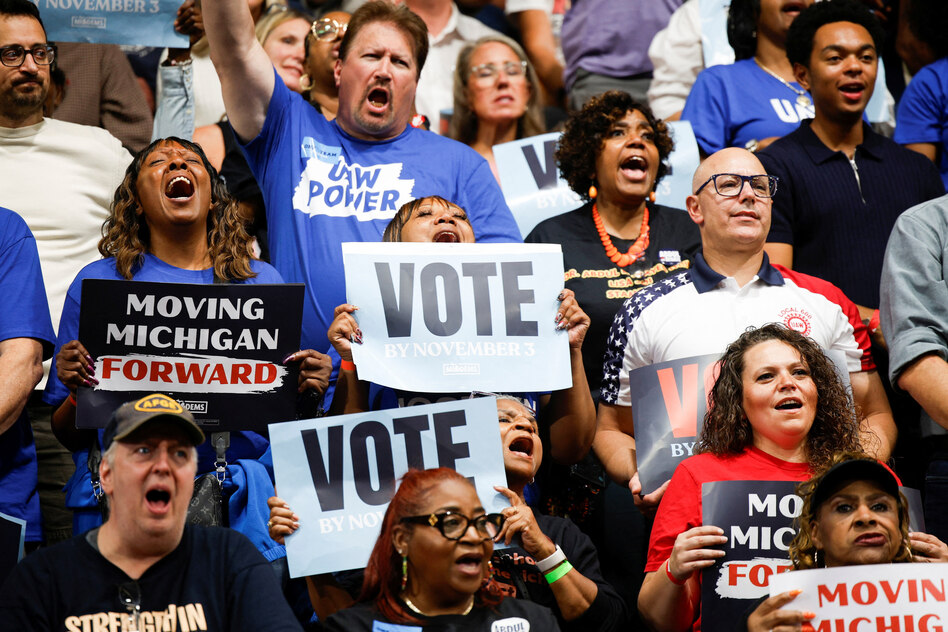
The numbers reflect the importance this election has for the future of the country. The Democrats see it as the last opportunity to save the country from sliding into totalitarianism. Republicans warn of a supposed return to “left-liberal madness” such as open borders, diversity and inclusion programs and trans people in sports, as well as impeachment proceedings against Donald Trump.
Most recently, Musk donated 158 million to the Senate Leadership Fund. The fund is the largest Republican “Super PAC” – a structure that prohibits direct collaboration with individual election campaigns, but allows virtually unlimited donations. PACs (Political Action Committees) were one of the most serious consequences of the 2010 Supreme Court ruling that overturned the regulation and limits on campaign donations under the guise of free speech.
Election researchers like the group RepresentUs, meanwhile, believe that money alone doesn't buy election victory. The dynamic is rather the opposite: donors invest in candidates who they already consider to be promising in order to buy later access to the government.
However, there are plenty of examples that show that this calculation does not always work. In the mayoral election campaign in New York, Zohran Mamdani accepted 40 times fewer donations than his opponent and won. An example that El-Sayed or Talarico now hope to repeat in the midterm elections.