
Germany taz
Magazine is being discontinued: Why “Emma” recently did more harm than good to feminism
After 50 years, Alice Schwarzer's paper “Emma” appears for the last time in December. It was about time. more...
Deutsch (original) ·Auto-translated to English
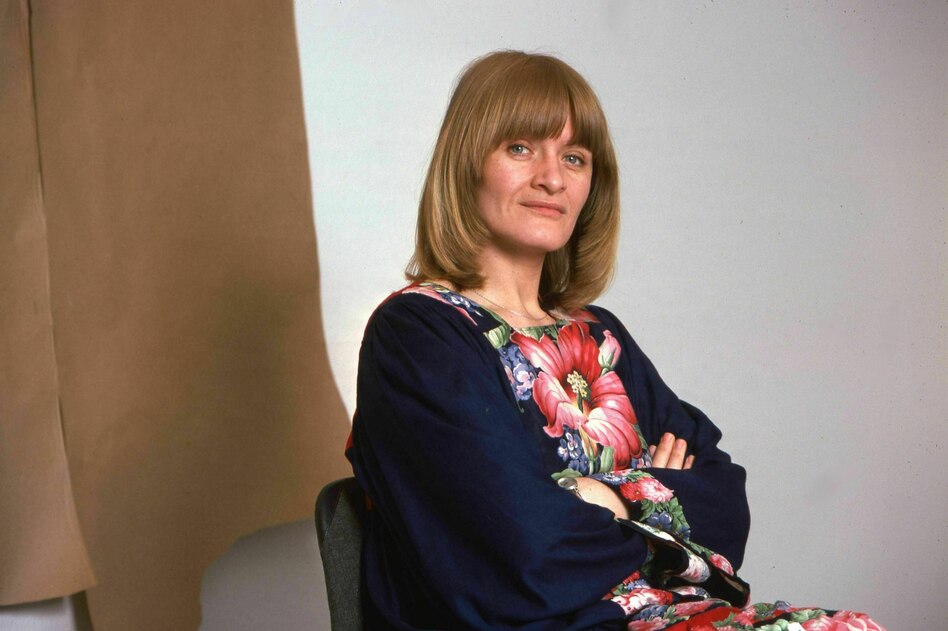
A magazine is discontinued. In view of a shrinking analog media landscape, this is actually not news in 2026. But in this case it is one - and for once a good one. Because after 50 years, the newspaper maker, editor-in-chief and publisher Alice Schwarzer is discontinuing her magazine Emma.
Founded in 1976, the first issue appeared the following January. Schwarzer wanted to be a counterweight to all the “men’s media” in which women don’t have a voice. And she succeeded. In almost 400 issues, mainly women have written about a wide range of topics: from abortion to Islamism, child abuse, pornography, prostitution, menopause, justice and men. And this much recognition must be given: Emma has helped shape German feminism for a long time.
This will soon be over. The last issue is scheduled to appear on December 8th. According to Schwarzer, there are no economic reasons behind the decision, although sales figures have plummeted in recent years. Schwarzer says: “We’re leaving because we think it’s enough!” The era of Emma is over.
But shouldn't it be dismaying if a feminist magazine is discontinued in times of reactionary backflash and increasing fascism? Actually yes, but Emma has done more harm than good to the feminist movement, especially in recent years. And that’s because of her boss, Alice Schwarzer.
For many she is still an icon today and is considered the German feminist. She always said she fought for all women. But anyone who looks back at 83 years of Alice Schwarzer and 50 years of Emma realizes: Above all, she fought for a woman. Herself. It's a miracle that she didn't name the magazine after herself.
Many feminists of their generation and later generations said: Working with black people was simply impossible. This is due to the person's self-centeredness, but also to their political attitudes and demeanor. To this day, Schwarzer is not above any provocation, no steep thesis or exaggeration.
If you want to summarize their political stance, you don't know where to start. With their transphobic positions or their racist stereotypes about migrant and especially Muslim men? With their one-sided attitudes towards pornography, prostitution and headscarves? With their reality-twisting attitude towards the Ukraine war? With their right-wing stance?
Of course there are also merits that can now be looked back on. Just keeping a magazine running for over 50 years and supporting it with your own financial resources is an achievement. It wasn't the first feminist magazine - the left-wing Courage appeared six months earlier - but none was able to stay on the market for so long and influence many debates.
Just like their fight for the right to abortion or the recognition of care as work. It is their struggles of the 70s and 80s that some feminists still refer to positively today. But even then, her feminism was already prone to gaps and simplifications. A feminism that focused on the concerns of white, childless women in the Federal Republic. And sometimes not even these.
To this day, Schwarzer does not allow criticism of herself or her magazine. She much prefers to style herself as a victim. She also repeats this image in the Zeit interview at the end of Emma. She can't help it that others see her as a racist. She didn't make any mistakes and Emma couldn't have done anything better either. When asked why no successor could take on her inheritance, Schwarzer replied that in 50 years of Emma's history, no one had been found who could.
One problem is Alice Schwarzer's political stance and self-centeredness. A much bigger one, that a large part of the media world still wants to derive the state of the feminist movement from this one person and offers it a stage despite all the crude topics and alliances with right-wing forces.
In the future, the contents of Emma will go to the archive in Marbach. She is making room on the market for another feminist magazine. Because this is needed just as urgently today as it was in the 1970s. But it can only be a liberation for women and queers if it doesn't get caught up in a cult of personality and opens its eyes to the discrimination against everyone in the patriarchy.