
Germany taz
Wind energy at sea: Offshore wind industry fears for tens of thousands of jobs
She used to forego funding. But now the industry wants more money for offshore wind energy – otherwise Germany would miss out on value creation. more...
Deutsch (original) ·Auto-translated to English
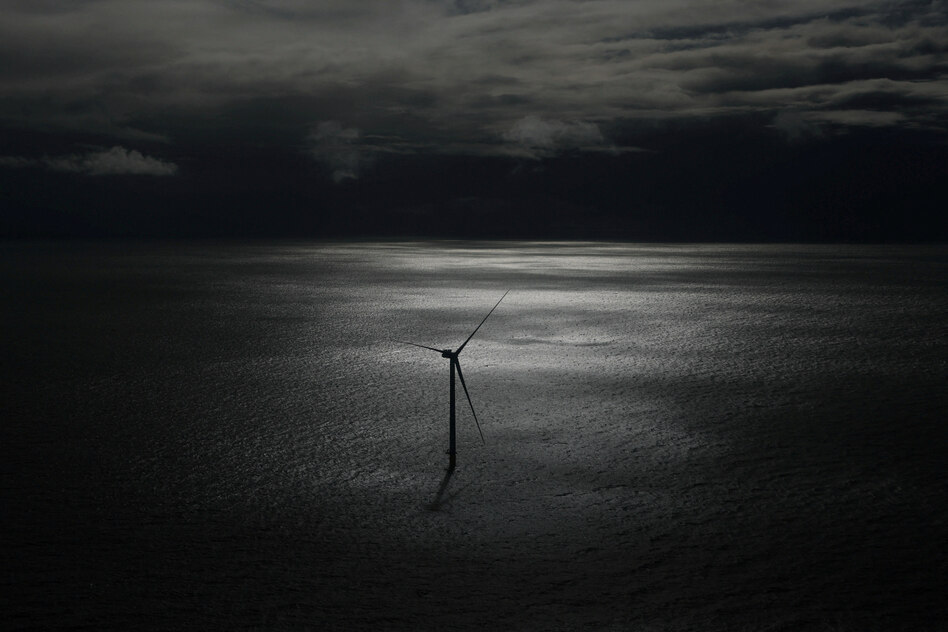
The offshore wind power industry is worried about the existence of its jobs. While the amendment to the Offshore Wind Energy Act (WindSeeG) is still in the parliamentary process, the Federal Wind Energy Offshore Association (BWO) calculates that if there is insufficient funding, around 21,000 of the current full-time positions could be lost by 2045.
In addition, 92,000 additional jobs would not be created if the expansion does not proceed as planned from a good 11 gigawatts of system capacity today to 70 gigawatts in 2045. The figures come from an analysis by the consulting firm wind:research on behalf of the BWO.
In the event of a “thread break” in the industry, the paper states, “a lot of added value in terms of sales would bypass Germany every year.” Then in 2045 the industry will only have sales of 4 billion euros instead of the possible 57 billion euros. There are currently around 49,000 jobs in the German offshore wind industry, corresponding to 31,530 full-time positions.
The BWO is now calling for “the WindSeeG amendment to be specifically improved in the parliamentary process” by creating bilateral Contracts for Difference (CfD). These are essentially fixed payments for the electricity generated via the electricity market. In times when electricity prices on the stock exchange are low, the missing money is paid from tax revenue until the cost is covered. If the price on the spot market is higher, the operators have to pay their additional revenue. In this way, investors' electricity price risks are compensated.
The industry is also calling for “effective indexation” in the remuneration rates – i.e. taking into account cost increases that arise in the period between the award of the tender in the Federal Network Agency (BNetzA) and the investment decision.
With its demands, the industry reveals that - contrary to what some companies hoped for a few years ago - it sees little chance of establishing itself on the market without support. This is also evidenced by the BWO's desire for an “orderly return option for surcharges from 2023 to 2025”.
At that time, companies had gambled heavily and participated in the BNetzA's tenders for lake areas with zero-cent bids - thus foregoing funding. In June 2024, BNetzA President Klaus Müller commented on the phenomenon with the words: "The results of the tender are good news for the energy transition in Germany. It is pleasing that the companies do not need funding for the expansion of offshore wind energy."
But given the rise in asset prices and the end of the low interest rate phase, that is long history. The BWO is therefore now demanding that companies return their previously unused areas so that the Federal Network Agency can re-tender them “under more viable conditions”.