
World taz
Weather phenomenon El Niño: El Niño causes Argentina's rivers to overflow their banks
The World Weather Organization and the United Nations are urgently warning about the consequences of the weather phenomenon. Oxfam is demanding more money to cushion them. more...
Deutsch (original) ·Auto-translated to English
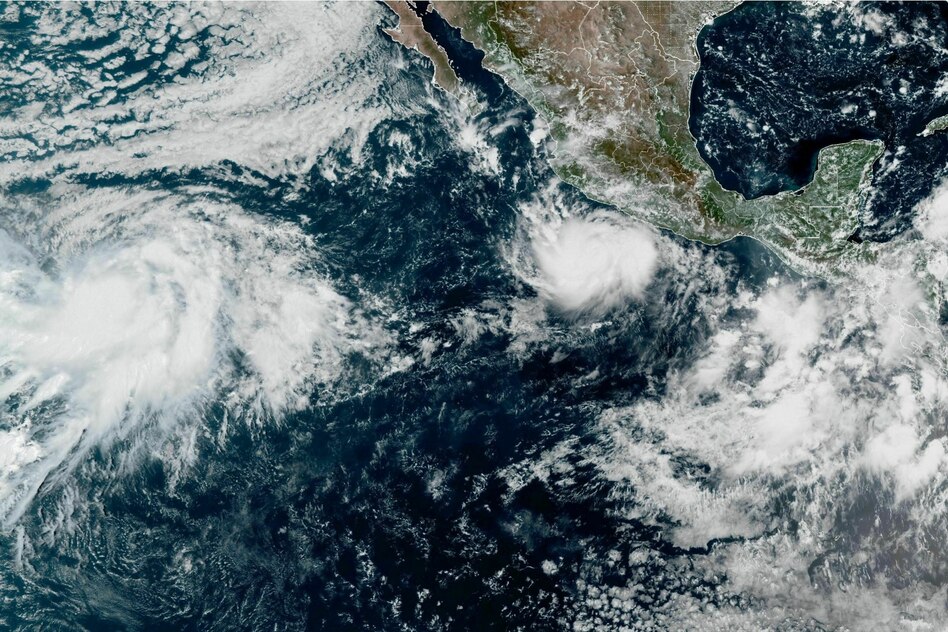
The World Meteorological Organization (WMO) and the United Nations (UN) are sounding the alarm. Both organizations warned on Wednesday of unprecedented sea surface warming in the Pacific Ocean linked to the El Niño weather phenomenon. It is estimated that sea surface temperatures in the central and eastern equatorial Pacific will be up to 3.8 degrees above average between November and January, surpassing all previous highs.
“We have never recorded a value of 3.8 degrees in the past,” said WMO Secretary General Celeste Saulo. The event could have “unprecedented intensity that literally goes beyond the measuring scales,” said the Argentine expert. It will cause serious climatic and social disruptions on several continents.
“While we cannot prevent El Niño, we can avert many of its most serious consequences for humans,” Saulo added. UN Undersecretary Tom Fletcher made a similar statement: "This El Niño event is a colossal phenomenon. It is a downright destructive force," warned the UN official responsible for humanitarian aid.
The weather phenomenon El Niño occurs every two to seven years and influences the climate worldwide. Its starting point is off the Ecuadorian Pacific coast. If the surface water there warms up unusually, El Niño can occur: The higher surface temperature changes water and air currents, which affects temperatures and precipitation patterns in many parts of the world. The WMO had already confirmed the occurrence of El Niño in mid-June. Experts expect the strongest El Niño since records began in the coming months.
Although El Niño and climate change are different phenomena, they are related. The combination of long-term global warming and El Niño can worsen heat waves and promote droughts, heavy rain or the development of forest fires. Which consequences actually occur depends on the respective region.
According to the aid organization Oxfam, millions of people are not adequately protected from the consequences of the weather phenomenon. Oxfam announced in Berlin on Thursday that there was a lack of resources to prepare for droughts and floods, particularly in the Global South. According to Oxfam, only around $450 million is available worldwide to deal with El Niño. During the strongest El Niño to date in 2015 and 2016, there was a call for financing of over 5 billion US dollars. Oxfam called for humanitarian funding, which has recently been significantly reduced in Germany and the USA, to be increased quickly.
For Argentina, El Niño usually means more rainfall and flooding. The consequences are already being felt. For several months now, heavy rains in southern Brazil and northern Argentina have led to an increase in water runoff in the Cuenca del Plata. The La Plata Basin is a vast watershed whose Paraná, Iguazú, Paraguay and Uruguay rivers flow into the Río de la Plata, which ultimately flows into the Atlantic Ocean.
Flooding in individual places has already been reported in the Corrientes province. The Paraná reached a level of 8.24 meters in Corrientes last Monday, exceeding the previous high of 2023, when 8.07 meters was measured. The first fatalities have also been reported. Two men were apparently swept away by the current and drowned while trying to keep their cattle safe from the rising water.