
Germany taz
World Climate Conference in Antalya: What role Germany plays in the second week of the COP
The German delegation has a lot planned at the climate conference and is relying on the reputation it has acquired previously. Germany is blocking somewhere else. more...
Deutsch (original) ·Auto-translated to English
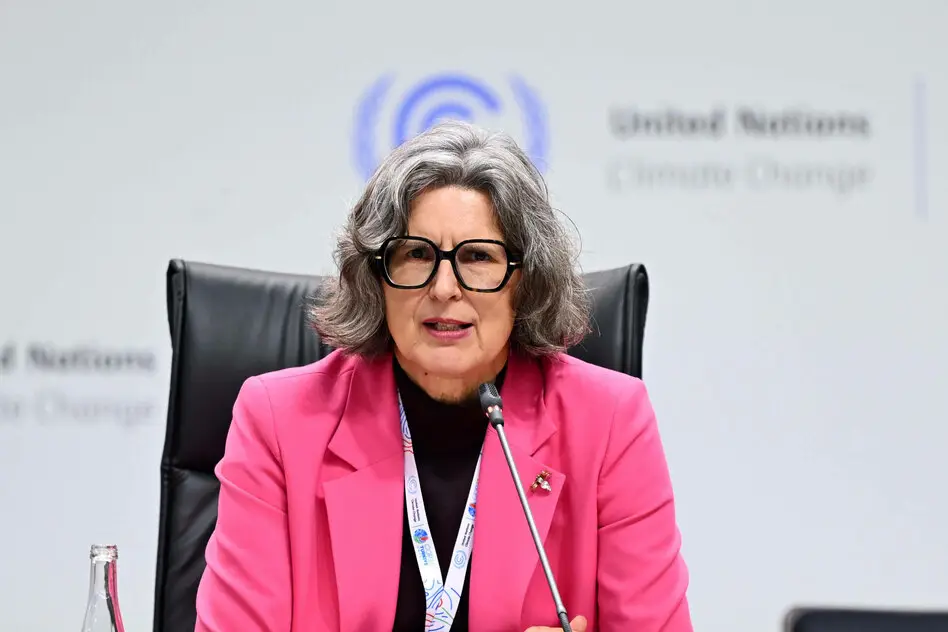
Heike Henn is happy about the rush. She is leading the negotiations for Germany at the World Climate Conference in Antalya, Turkey (COP31). “I’m impressed,” she says as at least a dozen international journalists gather around her on Monday morning. And it remains positive: the first week of the conference – with “really impressive developments” – is over. She is optimistic that the negotiations will be even more “dynamic” in this second week.
At the beginning of November, shortly before COP31 started on the Turkish Mediterranean coast, Henn became a permanent state secretary in the Federal Environment Ministry under Carsten Schneider (SPD). The 60-year-old previously headed the department for international environmental and climate protection in the ministry. The fact that she is now so confident is primarily due to “the growing alliance of countries that are honestly pushing ahead with the exit from fossil fuels,” she says. Even more important than the negotiations here is what states are actually doing at the national level for the energy transition.
A few days before the start on November 9th, Brazil, which hosted COP30 a year ago, delivered a roadmap for the orderly phase-out of fossil fuels in the areas of transport, buildings and industry - albeit non-binding.
When Henn praised the Brazilian initiative this Monday, a Turkish journalist objected that Germany does not shine with progressive climate policy: The federal government had just been one of the driving forces behind the weakening of the EU-wide CO₂ requirements for the auto industry.
Henn evades the idea, saying that fully electric cars are conquering the market anyway. Federal Environment Minister Carsten Schneider (SPD), who entered the negotiations in Antalya on Monday afternoon, supported the Turkish proposal for a higher share of electricity in global energy consumption. And he is committed to ensuring that the electricity comes from renewable sources.
So what role can Germany play in this second week of the COP? Schneider and the German delegation led by Henn are highly respected internationally, says Sabine Minninger, climate policy advisor at the development organization Bread for the World, a few hours later. She is waiting in the hall of the country pavilions. But she doesn't want to stay there - too busy, bad acoustics - so she goes into the hall opposite, on the carpeted floor.
In recent days, Minninger has perceived Germany as a blocker on another important issue, climate financing - in line with other industrialized countries. At the last conference in Brazil it was decided to triple the amount that these industrialized countries make available to adapt to the consequences of the climate crisis in other countries by 2035. However, it was not specified what exactly this should be. In Antalya, the African group of countries tried to incorporate negotiations about this sum into the official negotiation program. However, it failed due to resistance from the industrialized countries - "then the issue of adaptation financing spilled over to all other negotiating tables," says Minninger, which was "exhausting."
Germany is one of the countries with the highest CO₂ emissions in the world, but also one of the largest donors of adaptation financing, explains Minninger. Although the federal government has recently significantly reduced funding, Henn and Schneider are experienced negotiators who credibly convey that they are interested in climate adaptation in other countries. This is an opportunity for the days ahead. According to the expert, Schneider must negotiate a compromise between the African group of countries and the industrialized countries that at least offers the prospect of negotiations on specific financing goals.
“The phase-out of fossil fuels can perhaps be regulated at a national level,” says Minninger before she gets up to get to the next event on time. This doesn’t work with climate finance. The polluter pays principle applies: the states that are particularly responsible for the climate crisis must bear the costs.