
Germany · taz · · 1h
Warning signal in the South Pacific: HIV emergency in Fiji
Deutsch (original) · Auto-translated to English
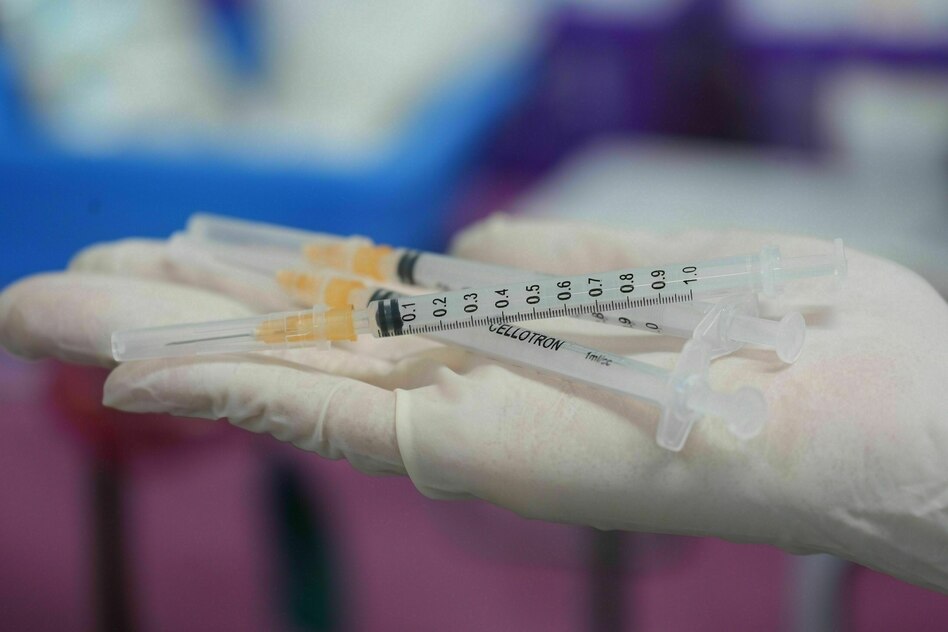
On the Fiji Islands north of New Zealand, 2,016 new HIV infections were diagnosed in 2025. On the islands in the South Pacific, around one in 60 adults lives with the virus, which is 27 percent more than in the previous year. According to UNAIDS estimates, around 9,100 people were infected with the virus at the end of 2025. Five years ago there were only 167 people.
But only 39 percent of those infected even know they are infected, and only 22 percent receive antiretroviral treatment. In 2025, 59 children were born with HIV, 18 of whom died before their first birthday.
This critical situation did not arise suddenly. According to UNAIDS, new infections have increased approximately twelvefold since 2010. The government had already declared an HIV outbreak in January 2025 due to the increase. This was followed by the declaration of a national emergency and the appointment of a crisis cabinet committee made up of five ministers.
Unlike neighboring Papua New Guinea, where HIV has been spread primarily through sexual transmission for years and women and children are now particularly affected, Fiji's epidemiology has been changing in recent years due to intravenous drug use. Of the 2,016 new infections in 2025 for which the transmission route was known, 42 percent were due to injecting drug use; more than half were related to sexual transmission. However, in almost 58 percent of cases, the route of transmission remained unknown, according to Fiji's Ministry of Health.
Although sexual behavior provides clues, it does not offer a simple explanation. A Fijian survey showed in 2021 that among 15 to 49-year-olds with multiple sexual partners, only 24.1 percent of men and 9 percent of women had used a condom during their last sexual intercourse. Knowledge about HIV prevention was also limited among young people: only 26.1 percent of men and 29.9 percent of women between the ages of 15 and 24 met the criteria for comprehensive prevention knowledge.
Fiji is not alone in this, but its development is unusually steep. As early as 2025, the WHO pointed to Fiji and Papua New Guinea as two Pacific countries with escalating HIV epidemics.
In Papua New Guinea, the number of people with the virus has risen to an estimated 120,000 since 2010; The prevalence among 15 to 49 year olds was around 1.5 percent in 2024. In smaller Pacific states such as Kiribati it is significantly lower.
Fiji's government now wants to expand free testing and provide sterile needles. Jason Mitchell, who heads the national HIV task force, expects it will take at least five years to bring the epidemic under control.
UNAIDS chief Winnie Byanyima puts the larger finding: “AIDS is not over.” For an island nation with fewer than a million inhabitants, the speed of development is a warning signal for the entire Pacific.
Read the full story at the source
Source: taz