
Germany · taz · · 2h
Elections in Japanese prefecture: economics instead of pacifism
Deutsch (original) · Auto-translated to English
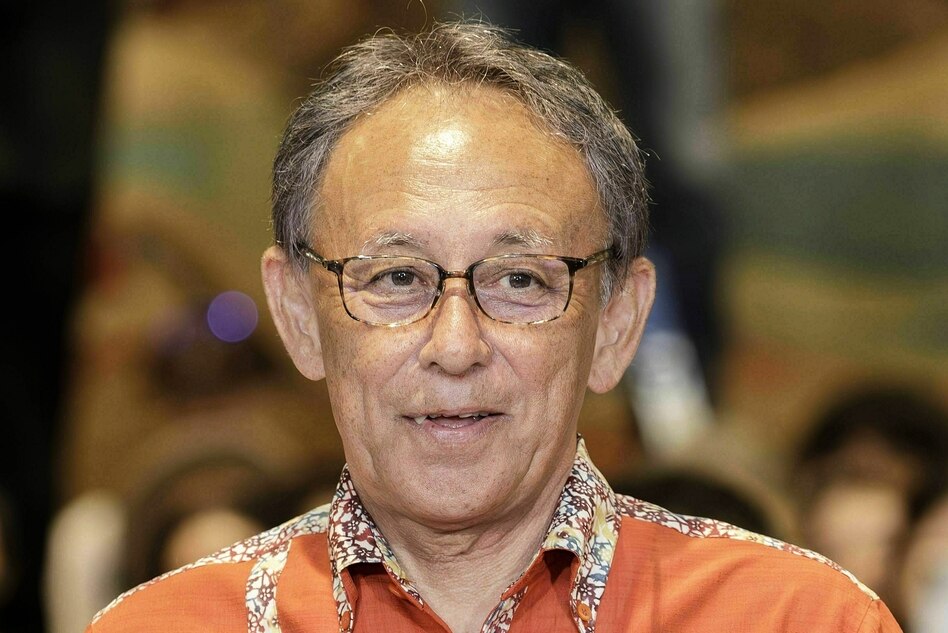
When Japanese television announced Denny Tamaki's defeat in the Okinawa gubernatorial election after the polls closed, the 66-year-old had tears in his eyes. But then he stood up in his burgundy floral Okinawan shirt and danced a kachashi to thank his supporters. The traditional dance is mainly performed on joyful occasions such as weddings.
With a deficit of 150,000 votes, Tamaki clearly lost to his 42-year-old challenger Genta Koja. The loss of office was already apparent in pre-election polls. Tamaki was seeking a third term, while the ex-vice mayor of Naha was running for the first time. Although Koja ran as an independent, he was supported by the ruling party (LDP). After twelve years, a representative from the conservative government side will once again take office in the prefecture of Okinawa, which consists of several island groups in southern Japan. Tamaki had the support of the left-wing “All Okinawa” coalition.
The election was decided by a generational conflict: According to exit polls by the TV station NHK, around 70 percent of 18 to 39 year olds voted for Koja. In contrast, “only” over 60 percent of those over 50, more than half of those over 60 and over 60 percent of those over 70 voted for Tamaki. Koja, like many of his constituents, was born after Okinawa was returned to Japan in 1972.
Tamaki won the gubernatorial election twice because he fought against the relocation of a U.S. military base within Okinawa. The Futenma base in densely populated Ginowan should not move to rural Henoko, but should disappear from Okinawa entirely, according to Tamaki and his supporters' demands. 70 percent of US military bases in Japan are located on the main island of Okinawa. Despite his resistance, Tamaki was unable to stop construction progress at Henoko in eight years. Koja supports the relocation planned by the central government.
In this election, the economy was what mattered most to voters. According to a survey by the Mainichi newspaper and the Ryukyu TV station, 53 percent named the economic situation as the most important issue, while only 17 percent named the base issue. Koja, a qualified pharmacist and career civil servant from Tokyo, promised the economic recovery that many wanted. He announced that he would double the per capita income. Currently, Okinawa ranks last among all 47 prefectures in Japan.
Tamaki had already deemphasized the base issue during the election campaign and instead focused on tourism. But the clear victory of Koja, a father of five, points to a waning spirit of resistance among the people on the island, where the Second World War claimed particularly high casualties.
Tamaki, the son of a US soldier and a Japanese woman, also cried because his defeat paves the way for greater militarization of the island. Okinawa is strategically located in the “first island chain” off mainland China. Chinese warships have to pass through them to get to the Pacific. In the event of a conflict over Taiwan, Okinawa could become a target of Chinese attacks because of the large US bomber fleets.
Tamaki blamed online smear campaigns for his defeat. In fake mass emails, senders posed as Tamaki and called, among other things, for Okinawa to be renamed Ryukyu, which would have meant secession from Japan. Many accounts from outside Okinawa stoked anger against Tamaki, presumably to generate advertising revenue. Tamaki spoke of “terrible conditions”.
Read the full story at the source
Source: taz