
Germany · taz · · 9h
Before the cabinet deliberations: The long struggle for the planned care reform is not over
Deutsch (original) · Auto-translated to English
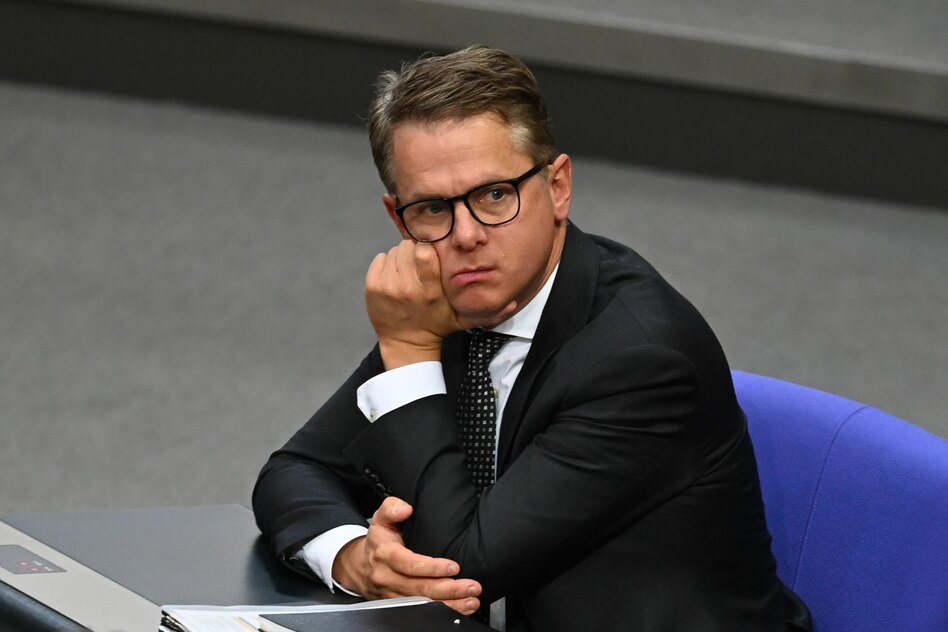
dpa | The Union and the SPD continued to debate the nursing reform a few hours before the planned cabinet discussions. It initially remained unclear whether the draft bill by Health Minister Carsten Linnemann (CDU) could be discussed in the federal cabinet on Wednesday as planned.
The coalition said the talks continued throughout Tuesday. The coalition had been negotiating in various rounds since the weekend. Based on a submission from his predecessor Nina Warken (CDU), Linnemann presented a draft that is intended to prevent further increases in contributions to care in the coming year. The SPD rejects “a pure austerity package,” as parliamentary group leader Matthias Miersch (SPD) explained on Saturday.
Finance Minister Lars Klingbeil (SPD) reiterated in Mainz in the afternoon: “This cannot be just a savings package, but we also need structural changes.” He made it clear months ago that there must be a balance between those with private insurance and statutory nursing care insurance. “The SPD is clear about that and that’s what we want to achieve in the negotiations.”
He hopes for a quick agreement, said Klingbeil. “We know we need reforms in care.” Work on this was going on “at full speed”.
But the SPD's demands are difficult to accept for the Union, as has become clear in the past few days. Linnemann rejected private insurance from contributing to the costs of statutory nursing care insurance as a “reach into other people’s coffers”. NRW Health Minister and CDU Vice President Karl-Josef Laumann – a prominent representative of the CDU social wing – also warned on Deutschlandfunk that the dual system of statutory and private insurance would be over.
However, Linnemann's demands to Klingbeil were on the table: The Federal Ministry of Finance would have to pay back more than five billion euros in Corona aid to the nursing care insurance, Linnemann told the dpa on Monday.
Conflicting interests regarding the costs for nursing home residents made it difficult to find a compromise. The SPD brought the proposal for a care cap into the negotiations. She wants to respond to the widely criticized, ever-increasing personal contributions to the costs of the home. Warken's draft, however, included noticeable cuts in the subsidies that those affected receive today for these costs.
However, the 1,500 euro cap proposed by the SPD would initially only save a few hundred euros in pure care costs - with costs for a place in a home amounting to a national average of 3,364 euros per month for those affected or relatives. Citing this, Linnemann also reacted negatively to this suggestion.
The president of the district council, Achim Brötel (CDU), called such a cap a possible “important part of the solution”. Already today the districts are in fact the second nursing care fund. Because more and more people will need care in the future, they face long-term annual costs of twelve billion euros. The districts step in with their social welfare offices if those in need of care and their relatives cannot bear the costs of the home.
So there is enough fuel. Specifically, according to Warken's draft, the performance bonuses for nursing home residents introduced in 2022 should be extended in time. These surcharges are intended to cushion the ever-increasing personal contributions; Nursing care insurance only covers part of the costs. The extension is intended to reduce the burden on nursing care funds by 2.6 billion euros in 2027. The proposed savings measures also include stricter classification of care levels and restrictions on free co-insurance for spouses.
A later cabinet discussion was not ruled out as early as Tuesday afternoon. Even after a cabinet decision, there are likely to be further negotiations in the subsequent parliamentary deliberations. The nursing care insurance companies had warned of a nursing care insurance deficit of 4.4 billion euros in the current year. An additional 10 billion euros are needed for 2027.
Laumann justified the Union's negative attitude towards the SPD proposals by saying that they “all cost a lot of money”. “And the money isn’t there at all. On the contrary, we have to see where we can save money on nursing care insurance.” The purpose of the law is to save in order to prevent rising contributions. The contribution rate is 3.6 percent, and for those without children it is 4.2 percent of the income subject to contributions.
Read the full story at the source
Source: taz