
Germany · taz · · 3h
Supply for the winter: Reiche wants to fill gas storage facilities with higher tenders
Deutsch (original) · Auto-translated to English
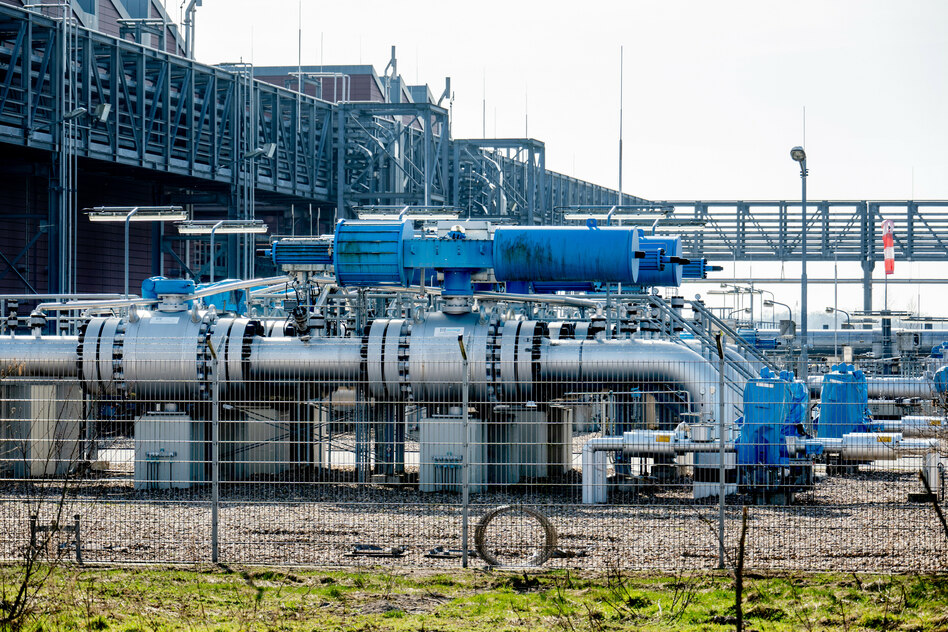
rtr | Given historically low gas storage levels in Germany, Federal Economics Minister Katherina Reiche wants to increase the financial incentive for retailers to keep additional gas available for the winter. However, the CDU politician is not planning any new state gas purchases like in 2022, but wants to use an existing instrument - so-called Long Term Options (LTO) - on a larger scale, as the Reuters news agency learned from a government insider on Wednesday.
At the same time, higher gas storage levels were agreed with the two federally owned energy companies, Uniper and Sefe.
The Federal Government said that the Minister of Economic Affairs would continue to rely on “market-driven measures” instead of government intervention. A tender for so-called LTOs planned for the fall will be increased by a gas quantity that has yet to be determined. Politico first reported this.
With the LTO, the natural gas market area manager Trading Hub Europe (THE) can secure gas deliveries to traders for a later need. The dealers receive compensation if they keep the agreed quantities available. If the option is pulled, they must deliver the gas. With an appropriate design, a financial incentive can be created to store additional gas.
With the LTO, Reiche is relying on a government-driven market incentive. The background is that storage is currently only worthwhile to a limited extent for traders due to price developments as a result of the Iran war. Discussions have been underway for some time with the federally owned companies Uniper and Sefe to make full use of their gas storage options.
According to government information, both companies have promised this internally. Der Spiegel reported that there were no formal instructions for companies to purchase gas.
The gas storage association INES warned last week of bottlenecks in the event of a very cold winter. At the beginning of September, the storage facilities were only around 53 percent full. This is the lowest level at this point since records began 15 years ago. Extremely cold temperatures could lead to a shortage of coverage in January.
Read the full story at the source
Source: taz