
Germany taz
Combustion engines out of the EU: Even less ambition than France and Germany
The major political groups in the EU Parliament approve a compromise to phase out combustion engines. This threatens to harm the climate – and electric car sales in Europe. more...
Deutsch (original) ·Auto-translated to English
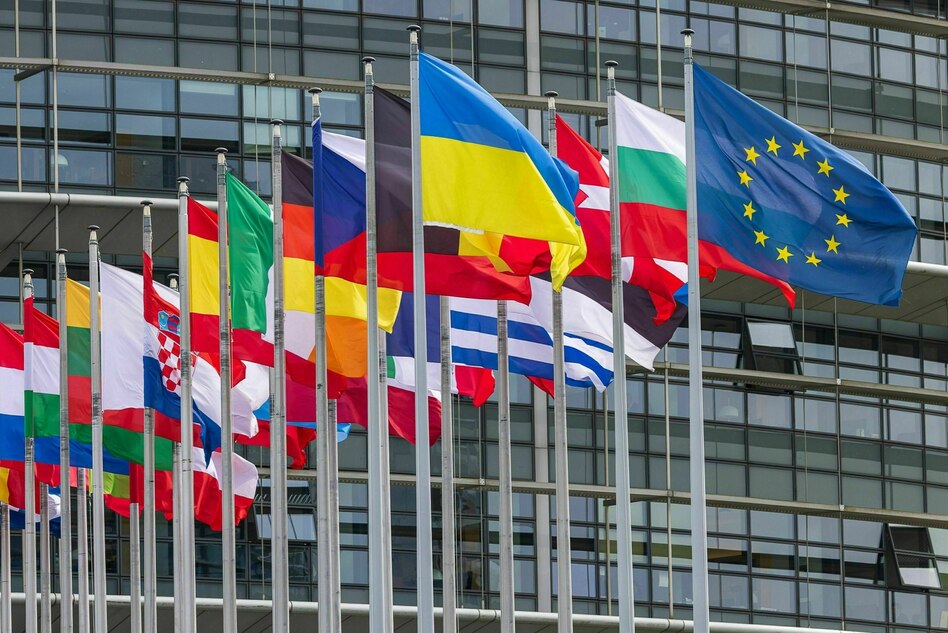
The European Parliament wants to further relax the controversial EU rules for phasing out combustion engines. Instead of 90 percent, as proposed by Germany and France, CO2 emissions from new cars should only have to fall by 87.5 percent by 2035 - compared to 2021. The three major parliamentary groups have agreed on this; However, a final agreement is still pending.
The Greens in the European Parliament spoke of a dirty deal. “This deal is a blow to the successful electric car boom in Europe,” said German Green Party politician Michael Bloss. The preliminary negotiation result falls behind the German-French agreements and weakens the “industry of the future” for electric cars in Europe.
It was originally planned that no new combustion engines would be permitted in the EU in 2035. However, the German auto industry in particular was up in arms - although it is now making up some ground in electric cars. On the sidelines of the most recent EU summit in Brussels, Chancellor Friedrich Merz agreed with French President Emmanuel Macron to phase out combustion engines.
Now it's about the details; they are currently being negotiated in the European Parliament. The Conservatives and Liberals in particular want to weaken the climate targets even more, while the Social Democrats are maneuvering around. A preliminary compromise between the three parliamentary groups now stipulates that CO2 emissions from new cars in the EU should be reduced by 95 percent by 2035.
If car manufacturers use climate-friendly steel, they can deviate by a further 7.5 percentage points without having to fear penalties. The CO2 threshold would therefore be 87.5 percent. In practice, the sale of new combustion engines and hybrid vehicles would remain permitted even after 2035, without manufacturers facing billions in fines - as initially planned.
But the deal is not done yet. While the SPD has now signaled its approval, the Spaniards and French are still resisting. The weakening of climate targets goes too far for the Spaniards; The French hope that the rules for promoting European production will be tightened up. Macron has also campaigned for this.
The Greens warn against further easing. The compromise contains “many back doors,” said MEP Bloss. It is unclear how the 7.5 percent rule is supposed to work - so far there is not even a definition for green steel. A planned new category of cars with biofuels is a big problem because theoretically it could also include palm oil.
The so-called supercredits are also controversial. Certain categories are counted several times towards the EU goals. Small electric vehicles manufactured in the EU should currently be counted as 1.3 climate-neutral cars. Conservatives, liberals and social democrats now even want to favor them by a factor of 1.4. Such calculation tricks do not help the climate, criticizes Bloss.
The umbrella organization for clean transport, Transport & Environment (T&E), is also skeptical about the parliamentary deal. Instead of 57 percent as previously planned, the market share of electric cars could fall to just 39 percent in 2030, according to a model calculation. The relaxations discussed would therefore reduce the proportion of clean drives by up to 18 percentage points.