
Politics · taz · · 2h
US midterm elections in Alaska: candidate between salmon and oil
Deutsch (original) · Auto-translated to English
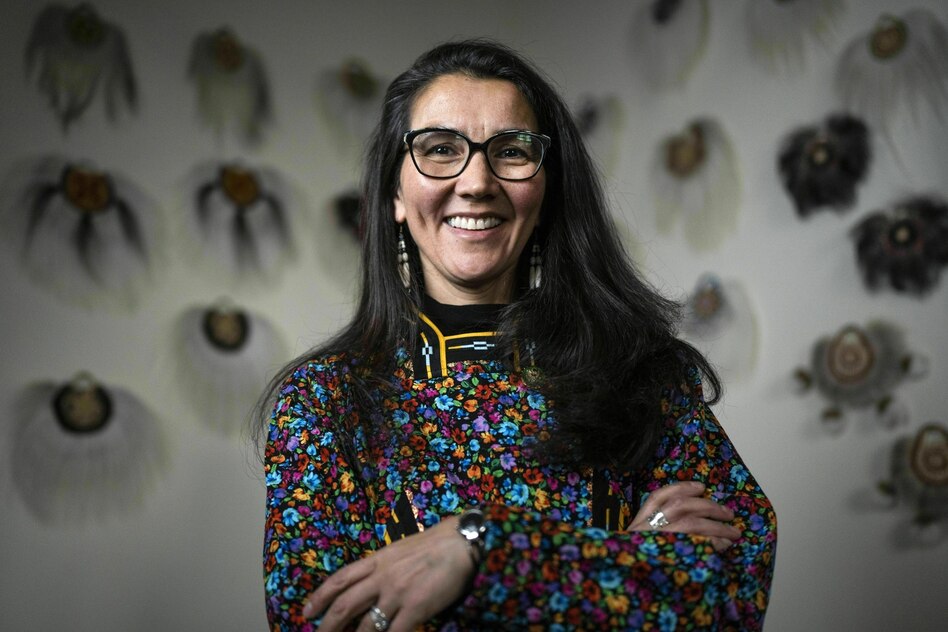
November will show whether Donald Trump's Republicans will defend their majority in the Washington Senate. This time Alaska could also play a decisive role. There, Democrat Mary Peltola is challenging Republican incumbent Dan Sullivan.
Peltola defeated former Governor Sarah Palin, among others, in a special election for Alaska's only seat in the House of Representatives in 2022. Now she is trying to win a Senate seat for the Democrats in the Republican-leaning state for the first time.
Peltola's election would be a sensation in several respects. Alaska is considered solidly Republican. Since 1960, the state has voted red only once in a presidential election. In the Senate seat Peltola is seeking in 2026. Republicans have also dominated the Senate for decades. The Senate seat that Peltola is seeking has only been won by a Democrat once, in 2008. Peltola's election would be even more significant for the indigenous population of Alaska. Since Alaska became a state in 1959, Peltola would be the first indigenous senator in Washington. Around 20 percent of voters in Alaska are of indigenous origin.
Peltola, whose father is white, wears her Indigenous identity with pride. When she moved into the House of Representatives in 2022, she wore the traditional boots of her people, the Yu'pik, and an earring in the shape of a salmon when she was sworn in. The threat to salmon stocks is one of the most important political issues for them. Salmon is crucial to the traditional way of life of Alaska's indigenous nations. She has been working on the issue since she was elected to the Alaska House of Representatives in the late 1990s. There she was considered part of the “Busch faction”, i.e. those politicians who care about the interests of the people in the seemingly endless hinterland of Alaska.
The emphasis on her indigenous identity seems credible. Peltola grew up in the 500-person town of Kwethluk on the Kuskokwim River, around 700 kilometers northwest of Anchorage. Moose meat and seal were part of the daily diet in her parents' house. She spent her summers on the river. She helped salmon fishermen gut, dry and smoke the fish. Her childhood friends describe her as self-confident and robust. “She didn’t wait for the men to dock the boat, she did it herself.”
During college, she competed in traditional dance disciplines at the Eskimo Indian Olympics wearing a wolfskin headdress and came second. As a state senator, she was committed to fishing rights and species protection as well as problems on the reservations such as alcohol abuse and teenage pregnancy.
Their down-to-earth nature and their connection to the land and nature make them a choice for many Alaskans. She can fly a seaplane and hunts elk. During the election campaign, she sometimes drives herself in a four-wheel drive to villages that have no road leading to them. She avoids the national media.
At the same time, she represents positions that go against the grain of some Democratic party members. She understands and is open to the importance of the oil and gas industry to Alaska. At the same time, she is committed to nature and species protection. She is said to be able to walk between both worlds: between indigenous and white, rural and urban, commercial and subsistence fishermen, between Washington and Anchorage. That is certainly a skill that will serve her well in a deeply polarized Washington.
Read the full story at the source
Source: taz