
Germany · taz · · 51m
Unequal support for cars and public transport: fuel is becoming cheaper, the Germany ticket is more expensive
Deutsch (original) · Auto-translated to English
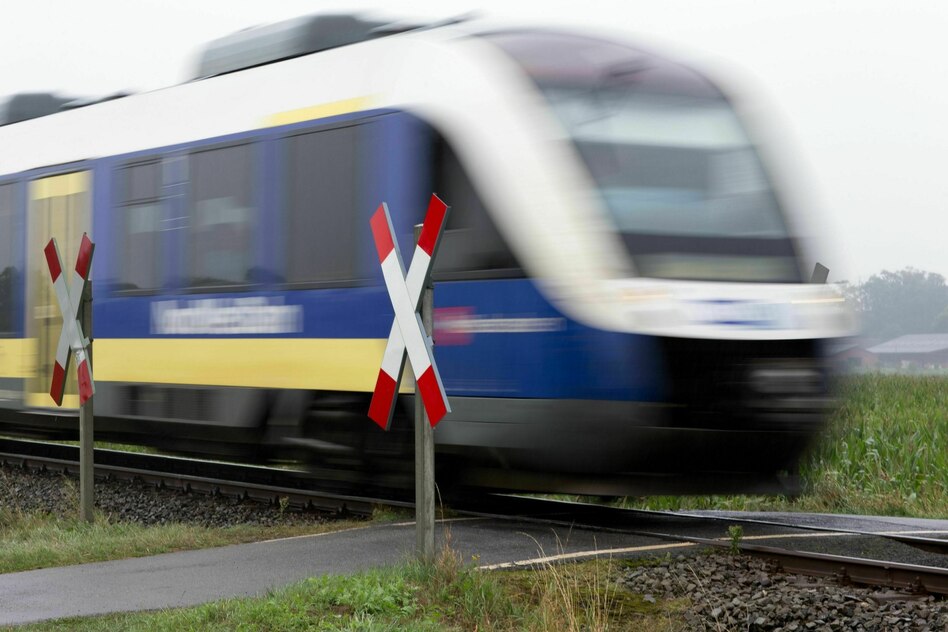
The price jump had been feared for months, but now it has been confirmed: from January 1, 2027, the Germany ticket will no longer cost 63.00 euros, but 66.80 euros per month. Representatives of the federal states announced this on Wednesday afternoon. From January onwards, the Germany ticket as a job ticket will cost 63.46 euros, and the semester ticket for students will cost 40.08 euros per month.
The new price was calculated by the D-Tix company, which has been responsible for distributing the income from the subscription among various transport associations since the introduction of the Deutschlandticket. The basis is a cost index, which includes, among other things, the personnel, energy and operating costs of local transport operators. The transport ministers of the federal states agreed on the formula at the end of March.
Ingo Wortmann, President of the Association of German Transport Companies (VDV), sought conciliatory words after the decision: “We understand that a price increase in times of rising consumer prices is painful for some passengers.” However, the cost increases would also hit transport companies hard. “You cannot absorb these additional costs,” said Wortmann – especially because the federal and state governments have kept their subsidies for the Deutschlandticket constant at a total of 3 billion euros since its introduction.
In fact, life in Germany became more expensive in September than it has been in almost three years. The high prices for gasoline, diesel and gas in particular drove up the inflation rate by 0.4 percentage points to 3.3 percent, as the Federal Statistical Office announced based on preliminary figures. The last time the inflation rate was higher was in December 2023, when consumer prices rose by 3.7 percent.
The background to the high energy prices is the simmering war between the USA, Israel and Iran. Most recently, the Houthi militia's blockade in Yemen's Bab al-Mandab Strait put even more pressure on global oil supplies. According to the Federal Statistical Office, citizens in Germany had to pay 14.9 percent more for fuel and household energy in September than in the same month a year ago. Food only cost 0.4 percent more.
In order to ease the burden on drivers when refueling, the federal government recently decided on a new refueling discount. In June and July it had already curbed fuel prices by reducing the energy tax - and this cost 1.6 billion euros. The new fuel discount will come into force on October 1st, meaning the federal government will forego at least another 2.5 billion euros in tax revenue.
Federal Finance Minister Lars Klingbeil (SPD) said that the lack of income would be compensated for with so-called remaining expenditure - i.e. with money from the federal budget that has not been used up.
“Billions are quickly mobilized for a fuel discount,” criticized Pauline Schur, climate and transport team leader at the German Nature Conservation Association (Nabu), on Wednesday. “But when it comes to affordable public transport, the people who use buses and trains should dig deeper into their pockets.” Schur demands: “If you want to relieve people’s burdens and enable them to switch to climate-friendly mobility, you must not make public transport a savings option.”
The Deutschlandticket - available as a monthly subscription and valid on local transport nationwide - has shown how attractive simple local public transport can be, says Ramona Pop, board member of the Federal Association of Consumer Organizations (vzbv). However, this success is in danger of being undermined if the ticket now regularly becomes more expensive. When the ticket was introduced in May 2023, it cost 49 euros, but since then the price has risen twice, initially to 58 euros and then 63 euros per month.
“Especially in times of rising fuel prices, consumers need attractive alternatives to cars,” said Pop. Their proposal: a nationwide uniform local transport tariff without compulsory subscriptions in order to also give occasional drivers easy access to buses and trains. German Environmental Aid is calling for a Germany ticket to be offered for 29 euros for 12 months and then to freeze the price at a maximum of 49 euros.
At the end of 2025, around 14.6 million people used the Deutschlandticket; according to the VDV, the cancellation rate was 5.75 percent at the beginning of 2026, when the price climbed to 63 euros. If the remaining 13.76 people who still had a Germany ticket at the beginning of 2026 pay the new price of 66.80 euros per month throughout 2027, an additional 627 million euros will come together. The other way around can be argued in simple terms: It would have cost the federal and state governments 627 million euros to keep the price stable - a fraction of what they spend on the fuel discount.
Read the full story at the source
Source: taz