
Germany · taz · · 2h
Independence from mining phosphorus: everything is still murky
Deutsch (original) · Auto-translated to English
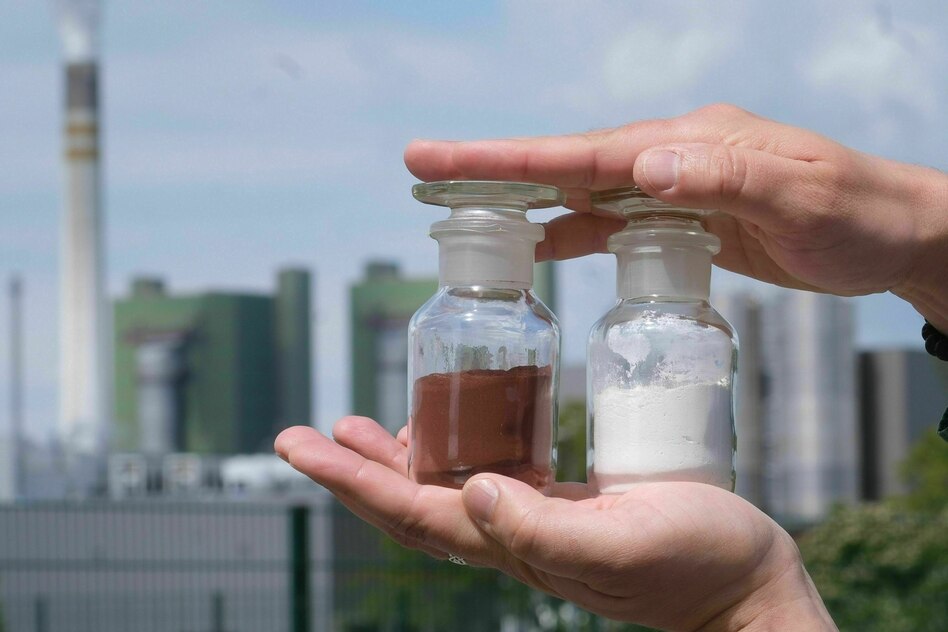
The Federal Environment Ministry invites you to a crisis discussion on Thursday. The unglamorous topic: sewage sludge. From 2029, sewage treatment plant operators will be obliged to recover the phosphorus from it. Phosphorus is a critical raw material in the EU, which agriculture in particular urgently needs as fertilizer or feed additive for livestock: no plant or animal can survive without it. But practice does not keep up with the theory provided by law.
At stake is long-term food security. Phosphorus is also obtained from phosphate rock, which in turn is a mining product. However, the main occurrences are concentrated in just a few countries and regions: Morocco and the Kingdom-occupied Western Sahara, as well as China. It is also clear that the mineral deposits will be exhausted sooner or later. In addition, the planetary load limit for phosphorus has been massively exceeded.
So: recovery from the sewer system. Phosphorus gets there primarily through human excreta and, to a lesser extent, through dishwashing liquid and leftover food. But because the nutrient mixes with heavy metals, PFAS and microplastics, sewage sludge can no longer simply be brought to the fields for fertilization.
Mono-incineration plants in which only sewage sludge is burned are currently considered “hot shit”. Waste companies such as Remondis and Gelsenwasser have discovered a new, lucrative business area here. And so there will soon be enough ovens to process the over 1.5 million tons of dried sewage sludge produced in Germany. The phosphorus should then be recycled from the ash.
But although a lot of funding has gone into research, there are hardly any technologies that work on a large industrial scale. In addition, most pilot plants do not provide plant-available phosphorus, which is water-soluble and can therefore be absorbed directly via roots. In addition, the recyclates are often contaminated with cadmium, copper and nickel, which necessitates further processing stages. The Federal Environment Agency assumes that a maximum of 25 percent of the required ash processing capacity will be available by 2029.
Wastewater treatment plant operators and municipalities are slowly starting to panic. Although the law was passed in 2017 and many working groups have met, most do not know how to provide the necessary evidence for phosphorus recovery. A few weeks ago, your interest group DWA called for the entry into force of the sewage sludge regulation to be postponed by 10 years. The conference of environmental ministers of the federal states also called for a legally secure and pragmatic solution in the spring.
But the federal government is sticking to the current schedule. “It cannot be the case that the advance work of those who trust in the validity of the law is devalued,” said Silke Karcher from the Ministry of the Environment at a recent event organized by the German Phosphorus Platform association. All sorts of organizations that want to advance phosphorus recovery come together here, from the Schleswig-Holstein Ministry of the Environment to research institutes and wastewater and recycling associations. Julia Vogel from the Federal Environment Agency seconded: “The large-scale implementation must be made possible.” Until then, interim solutions are needed.
From 2029 onwards, huge mountains of ash could arise that will have to be stored indefinitely until there is further processing capacity for it at some point. The costs would have to be borne by those who pay wastewater fees. At the meeting on October 8th, the question will likely be whether the ash will be stored centrally or decentrally and how the subsequent effort can be allocated to the individual sewage treatment plants.
In all of this, the fertilizer industry has so far shown only moderate interest: it is willing to accept recycled phosphorus - but only if the price and quality meet its requirements, Johannes Monath from the Agricultural Industry Association made clear at the Phosphor Platform event. But so far there are not even any legal requirements regarding the fertilizing effect of recyclates. It is also clear that their production will be very expensive and they will only have a chance on the market through massive subsidies.
An international study published in the spring comes to the conclusion that a global phosphorus circular economy is possible in which only 3 percent of the nutrient required worldwide is mined. To do this, however, fertilizer, agriculture and nutrition would have to be viewed as one system. The research team from China, Russia and the USA demands that fields are no longer over- or incorrectly fertilized and that less food is wasted.
Today's consumption patterns and the way we deal with human excrement also need to change. A recently published study summarizes the results of around 200 scientific studies published worldwide: processed urine and feces have a similar fertilizing effect to the products of the agricultural industry - and these raw materials are available everywhere in a decentralized manner.
Read the full story at the source
Source: taz