
Germany · taz · · 2h
UN High Seas Protection Agreement: Germany has joined an important environmental agreement
Deutsch (original) · Auto-translated to English
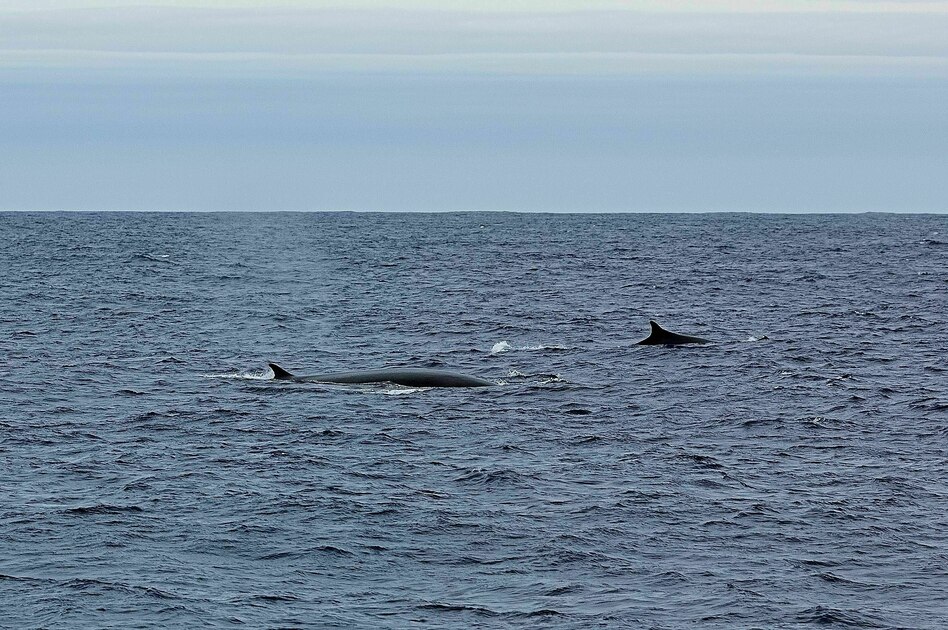
Germany has joined the United Nations High Seas Protection Agreement. On Tuesday, Federal Environment Minister Carsten Schneider (SPD) deposited a ratification document with the UN, thereby sealing accession. Schneider described the agreement as “the greatest international environmental policy success in recent years”. The document was deposited on the sidelines of the general debate at the UN General Assembly, to which Schneider traveled to New York.
To date, there have been no uniform environmental rules for the high seas - the agreement now offers the possibility of designating protected areas on the high seas for the first time. Germany is “already working with partners in Africa, South America and Asia to soon designate the first marine protected areas,” explained Schneider.
The first UN high seas protection agreement came into force in January 2026 after years of negotiations. It is intended to protect the world's oceans, their many different habitats and biodiversity. In order to come into force, it had to be ratified by at least 60 states. More than 94 of the 145 states that signed the agreement have now ratified it. Although Germany was one of the first signatories, ratification was still pending.
In the spring, the federal government created the necessary conditions for the implementation of the UN agreement at the national level with the High Seas Protection Act. The UN High Seas Protection Agreement and the High Seas Protection Act will become binding for German actors 30 days after accession, i.e. on October 21st. Then ships flying the German flag or German deep-sea researchers must adhere to the rules of the UN agreement.
“With the important and long-overdue ratification of the agreement, Germany is taking responsibility for protecting the oceans,” said the environmental organization Greenpeace, commenting on the accession. The federal government must also take this into account at the first maritime COP in January 2027. The oceans needed concrete steps: strong protected areas, clear funding commitments and close international cooperation. (With material from the AFP news agency)
Read the full story at the source
Source: taz