
Germany · taz · · 40m
Survey on meat consumption: Many people want to eat less meat – but don’t want to give it up
Deutsch (original) · Auto-translated to English
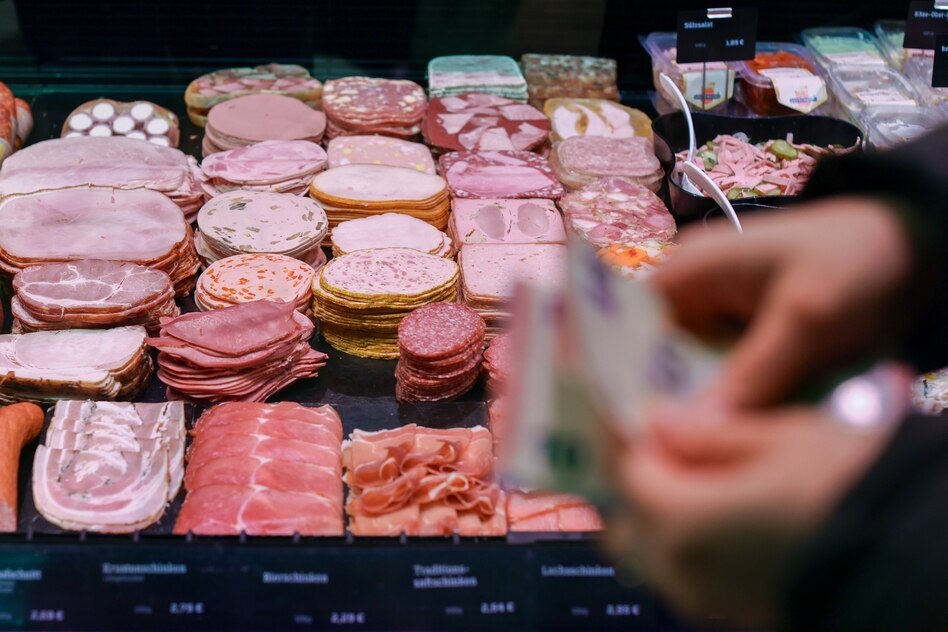
According to new surveys, many consumers are increasingly questioning their meat consumption. According to a survey by the opinion research institute YouGov, more than one in four meat eaters (27 percent) plan to reduce their consumption of meat and sausage “in the near future”. Only 2 percent want to increase it.
At the same time, almost half of meat eaters already agree that it would be good for them to eat less meat, sausage and fish (43 percent). For most people, it's not about complete abstinence: only 22 percent of those who want to eat less animal products are considering a completely vegetarian diet, and 14 percent are considering a completely vegan diet.
From the perspective of YouGov expert Petra Süptitz, the information speaks “less of a broad trend towards vegetarianism or veganism, but more of the growing importance of flexitarian diets”. According to her, many people would like to eat a more conscious and balanced diet and reduce their meat consumption, but without giving it up completely. So-called flexitarians are flexible vegetarians or part-time vegetarians who consciously limit their meat consumption but still eat meat occasionally.
According to the federally owned Thünen Agricultural Research Institute, around 10 percent of greenhouse gas emissions in Germany are attributed to animal husbandry - including emissions from animal digestion, feeding and land use. The cultivation of fodder contributes to the extinction of wild plant and animal species and pollutes water, among other things through pesticides and fertilizers.
The market for meat substitutes is growing. According to the data, almost 35 percent of households bought such products at least once in 2026 - more than ever since 2022. “Other meat substitute products” such as tofu and falafel are growing particularly strongly.
Sales of “meat-analog” products such as vegetarian or vegan sausages increased by a good 6 percent. For “other meat substitute products” the increase is 38 percent. “Meat substitutes not only attract new buyers, but are also used more intensively by existing buyers,” it says.
A total of 58 percent of those surveyed said they had already tried meat substitutes. The main obstacles to further distribution are the price and composition: 61 percent consider the products to be too expensive, 64 percent have the impression that many vegetarian and vegan substitute products contain too many additives.
The survey data is based on online interviews with around 2,000 members of the YouGov panel. According to the institute, the results were weighted and are representative of the German population aged 18 to 75. (dpa/taz)
Read the full story at the source
Source: taz