
World · taz · · 45m
Diary from Ukraine: Stories of saving bats
Deutsch (original) · Auto-translated to English
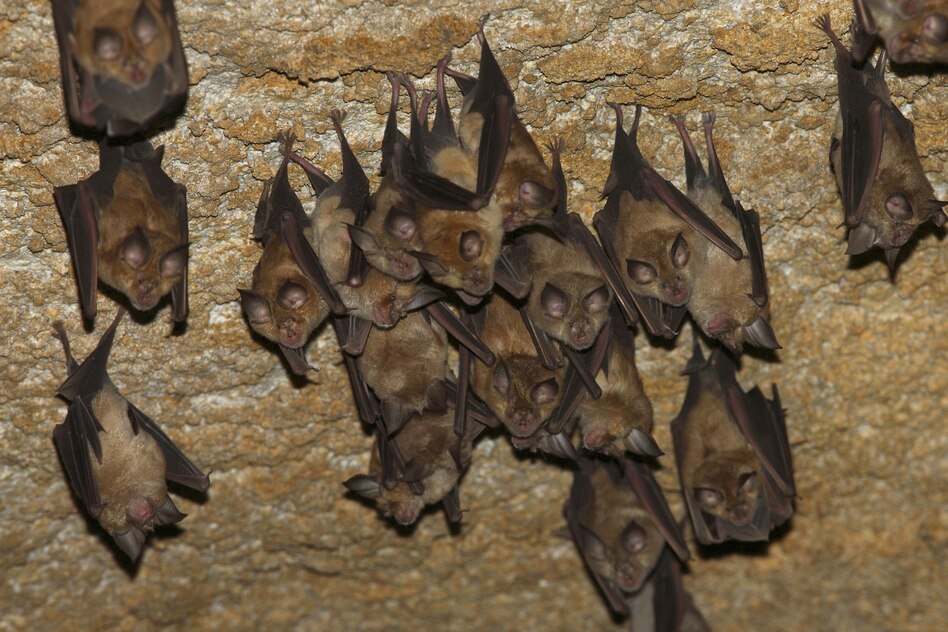
There are people for whom this would be cause for panic: Recently, a woman who returned to Kyiv after a long absence discovered 381 bats in her apartment. She had left the windows open and the animals got into her apartment. Animal rights activists immediately took action. They collected 347 bats that were still alive in the apartment and found 9 other animals dead.
120 bats were discovered in another apartment in Kharkiv, whose residents had left the city because of the war. 46 had already died there, the rest could be saved.
This is not a new phenomenon in Kharkiv. As early as March 2026, experts found more than 900 bats in a house that had used the cavity behind the balcony cladding as winter quarters for several years.
Environmentalists point out that urbanization and the destruction of natural habitats are forcing bats to move closer to and adapt to humans. The situation is made worse by the war: houses that are empty due to shelling or evacuations become ideal replacement caves for bat colonies that seek darkness, peace and protection from the cold.
Donations to the taz panter foundation provide financial support to independent and critical journalists on site and in exile as part of the projects “War and Peace Diary” and “Our Window to Russia, Belarus and other post-Soviet countries”. On the last day of every month our podcast “Free Speech” appears, in which voices from the foundation’s projects have their say.
All 28 species of bats found in Ukraine are protected and are listed in the Red Book of Ukraine. These small nocturnal mammals do an enormous amount of work that we hardly notice: they destroy insects and help maintain the natural balance.
The Ukrainian Center for the Rehabilitation of Bats, Bats Ukraine, is responsible for their rescue. The center has been operating since 2013 and has since saved more than 34,000 bats in 218 locations across the country.
Reports of animals found reach the center via social networks, via volunteers or via a special hotline. Each bat is examined, species, sex and age are determined, and the animal is weighed. If necessary, it receives water and food.
Last winter, in my hometown of Odessa, a center employee temporarily took in 28 bats that residents had found in doorways and apartments. In the spring of 2026, 27 healthy animals were released back into the wild in a park in Odessa.
Several hundred people attended the release event. First, hold a bat carefully in your hands. She is small, light and has nothing in common with the frightening creature that human imagination has made of her. Then comes the moment when the hands open. And she flies away. One after the other. In the evening sky over Odessa.
Perhaps this is precisely where the great paradox lies: war forces people to leave their homes - while other living beings find refuge in these abandoned houses.
Tatjana Milimko is editor-in-chief of the Ukrainian online news portal USI.online and alumna of the taz panterstiftung (workshops for journalists from Eastern Europe)
Donations to the taz panter foundation provide financial support to independent and critical journalists on site and in exile as part of the “Diary of War and Peace” project.
Read the full story at the source
Source: taz