
War & Militarism taz
Diary from Ukraine: A war in which cafes are open and medicines are in short supply
The full invasion of Ukraine has been ongoing for over four years. Russia couldn't completely destroy everyday life in Ukraine. But make it more difficult. more...
Deutsch (original) ·Auto-translated to English
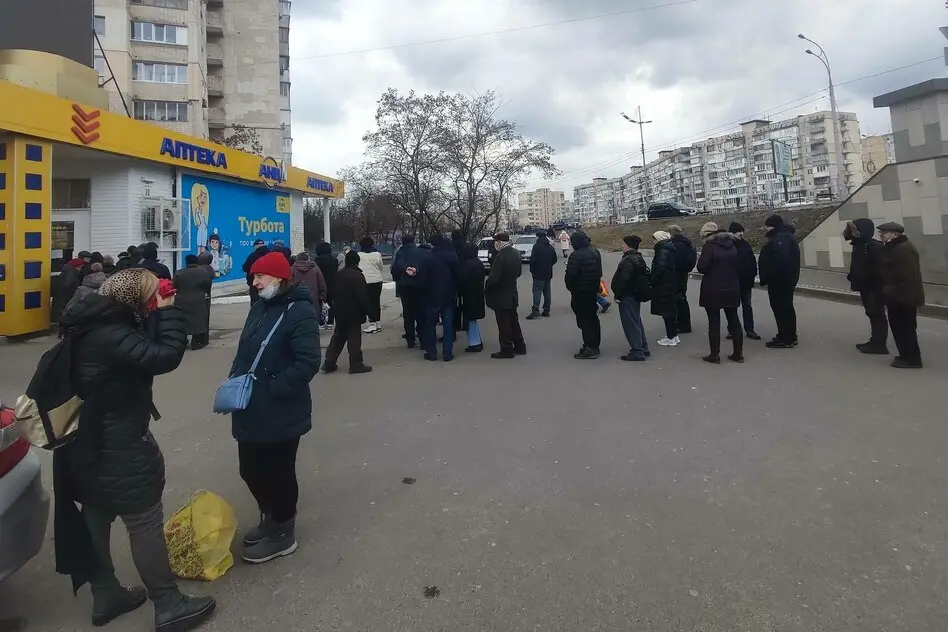
Recently, a Ukrainian stand-up comedian caused a scandal. He had recorded a video in which he claimed that reports of drug shortages in Ukraine were part of Russian propaganda. The result was: He had to apologize. Hundreds of people reported in the comments under the video that the search for urgently needed medication had become a real odyssey.
The man's joke worked like the well-known meme: "If you're homeless, just buy a house." If you're young and healthy, you probably just follow the Russian attacks on pharmaceutical company warehouses without actually noticing their consequences.
Essentially, the video scandal is another episode in the history of a war that often just doesn't look like what a war should look like. People whose ideas about war have been shaped by films about the Second World War expect to see images on every street corner that look like they did after the Battle of Stalingrad. But what they see are ordinary streets with cafes, shops and pharmacies.
Donations to the taz panter foundation provide financial support for independent and critical journalists. The taz panter foundation promotes young talent, international exchange and moral courage.
There are countless shocking videos from Ukraine that show the extent of the destruction. But it is the images in which life appears to go on as normal that often attract the most attention - and raise doubts about how badly the country is actually affected by the war.
What many people overlook: An open café or a busy shopping street does not mean that the war has no impact on everyday life. In Kyiv, people can continue to sit in modern cafes, while at the same time certain food and essential medicines are becoming scarce.
The consequences of war are not always immediately visible. Russia has attacked numerous logistics warehouses around the Ukrainian capital, disrupting supply chains. This means supermarkets will no longer be able to receive certain goods as usual - even if their stores are still open.
Food will still be available, albeit in limited quantities. Sometimes there will be a shortage of vegetables, sometimes there will be a lack of meat, but even in Ukraine's frontline cities, basic foodstuffs will still be available.
The situation is different with medicines: they are not simply sold on the market. And if pharmacies no longer receive deliveries, people with chronic illnesses in particular will suffer.
So people stockpiled everything they could to prepare for possible new delivery delays and shelling. Many still remember the beginning of the major Russian attack in 2022, when the hormone preparation L-thyroxine, which people with thyroid diseases have to take for life, disappeared from pharmacies.
A second wave of drug shortages occurred in the summer of 2022. At that time, many people feared a possible Russian nuclear attack and, out of fear, bought large quantities of potassium iodide tablets. These were therefore quickly sold out in numerous pharmacies.
Such tablets can only help under certain circumstances: They protect the thyroid from radioactive iodine, but do not offer general protection against the consequences of a nuclear attack. Nevertheless, many people took precautionary measures. In this case, the fear was stronger than the sober assessment of what the tablets could actually do. Panic often proves to be stronger than logic.
Vasili Makarenko is a freelance author from Kyiv and was a participant in an Eastern Europe workshop organized by the taz panter foundation.
Donations to the taz panter foundation provide financial support to independent and critical journalists on site and in exile as part of the “Diary of War and Peace” project.