
Germany taz
Study on cancer: A vaccine could reduce the risk of recurrence of skin cancer
For years, researchers have been looking for new treatments to prevent cancer from coming back. Results have now been presented that give hope. more...
Deutsch (original) ·Auto-translated to English
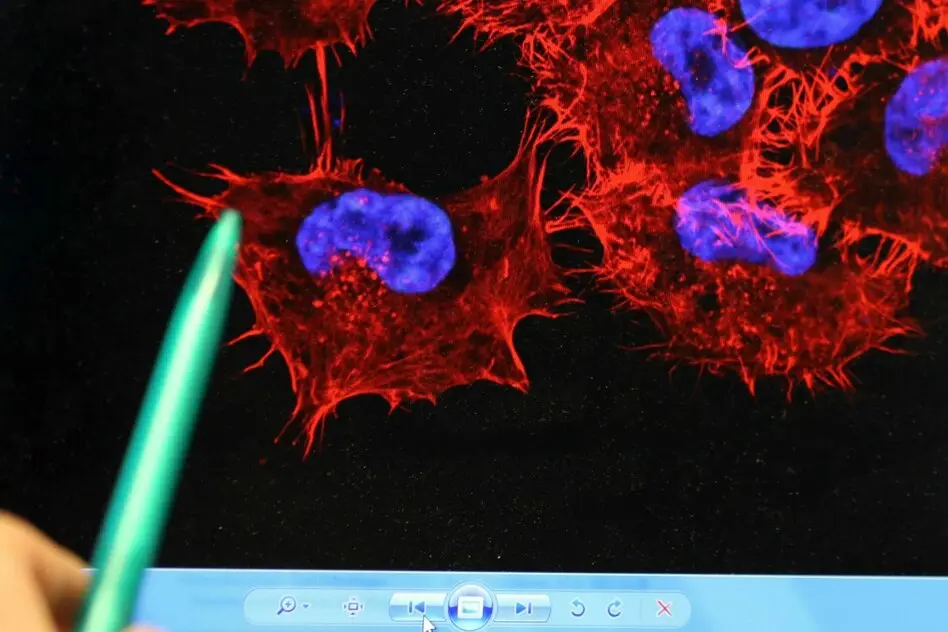
Black skin cancer is the fourth most common cancer in women and the fifth most common cancer in men. The cancer is very aggressive. It can spread to other organs and lead to relapses even after apparent healing. Researchers have been looking for new therapies for years. One of the most promising approaches to combating relapse is an individualized vaccine against cancer. Researchers presented results at a specialist conference, which will be published in the specialist magazine The New England Journal of Medicine.
The investigation is a phase III study, which is the last phase before a drug is approved. The preparation is tested on patients. The pharmaceutical companies Merck and Moderna are behind the drug; the active ingredient is called Intismeran. It has an individualized principle of action: After the tumor is surgically removed, it is analyzed using AI to find so-called neoantigens. These are modified protein fragments that arise from mutations in the tumor and can be recognized as foreign by the immune system. A vaccine is then made that is tailored to the tumor. The active ingredient causes the immune system to recognize and attack the cancer cells themselves.
1,137 people with advanced skin cancer took part in the study. This includes people who have already had metastases as well as people at high risk of relapse or metastasis. In all of them, the tumor had previously been completely removed surgically. All of them also received a skin cancer drug that had already been approved for a long time. The participants were divided into two groups: one group received intismeran as a second medication, the other a placebo.
The result: After around two years, 82 percent of the people who received Intismeran lived without a relapse. In the placebo group it was 70 percent. The risk of a relapse fell by 42 percent. After two years, 88.5 percent of the participants in the Intismeran group had no distant metastases, i.e. no secondary tumors in distant organs. In the placebo group, however, it was 80 percent.
The manufacturers want to apply for approvals using this data. If this succeeds, it would be the first approved mRNA cancer vaccination in the USA or the EU. This would mark the beginning of a new pillar of cancer treatment. However, the new active ingredient does not replace the existing therapy, but complements it. In addition, it is only intended for patients in an advanced stage. Another hurdle: Each vaccine has to be made individually. According to experts' estimates, this can cost several hundred thousand euros.