
Germany · taz · · 1h
Study by Environmental Aid: In large cities, combustion-powered buses are still predominantly used
Deutsch (original) · Auto-translated to English
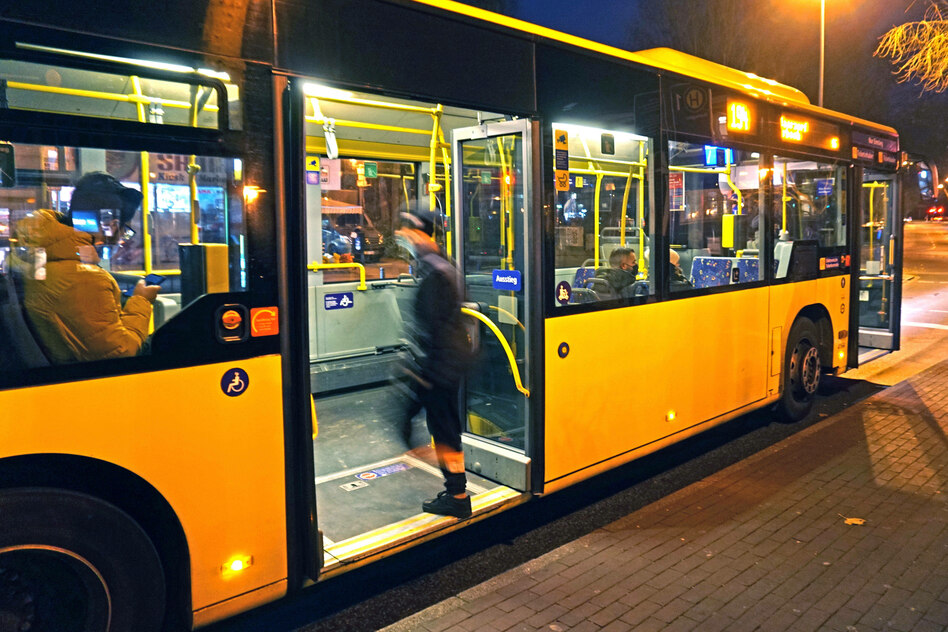
dpa | In many of Germany's largest cities, diesel-powered buses continue to dominate the cityscape. Pure diesel drives make up 70 percent in the 39 largest cities, according to a study by German Environmental Aid (DUH), which is available to the German Press Agency in Berlin.
If you take into account so-called mild hybrids, in which an electric motor supports the combustion engine - often especially when starting and overtaking - the rate is even as high as 77 percent.
The study also shows that some large cities are already well advanced in switching to climate- and environmentally friendly battery-powered electric buses. The environmental organization chooses three cities from Baden-Württemberg as the frontrunners: Mannheim, where 60.6 percent of the bus fleet was battery-electric at the turn of the year, tops the table, followed by Freiburg (51.7 percent) and Karlsruhe (51.6 percent). All three cities also only want to put electric buses on the road by 2030, provided new purchases are planned.
According to a 2023 study by the non-profit organization International Council on Clean Transportation, electric buses produce significantly fewer greenhouse gases than diesel-powered buses. Although the production of the vehicles produces comparatively higher emissions, this is more than compensated for over their service life because they are more climate-friendly in operation. The higher the proportion of electricity from renewable sources such as wind and sun, the better the balance. Electric buses are also better for local air quality.
According to the survey, there were no classic battery-operated electric buses at the turn of the year in Magdeburg, Krefeld, Wuppertal, Essen and Augsburg. This puts them in the lowest places.
However, the absence of battery-operated electric buses does not necessarily mean that only vehicles with combustion engines are used, as the example of Wuppertal shows. Electric buses with fuel cells are on the road there. This works like a battery that supplies electricity when hydrogen is added. According to the local public utilities, they make up a sixth of the fleet. However, the technology is not widespread: According to DUH, fuel cell buses only make up 1.5 percent of the vehicles in the fleet of the 39 largest cities examined.
The DUH also rated negatively when cities plan to purchase more buses with combustion engines by 2030. Augsburg ended up in last place because two-thirds of its municipal utilities were still buying new combustion engines. The background is that the municipal utilities in Augsburg have purchased another 30 new biogas buses to replace outdated vehicles. According to a spokesman for the company, these vehicles are still necessary because the switch to electric buses is not happening as quickly as the necessary infrastructure is being built. According to DUH, Chemnitz, which was asked as one of the 40 largest German cities, did not provide any feedback.
Diesel buses would normally be operated in local transport for more than ten years, explained DUH Federal Managing Director Jürgen Resch. Cities that procured new combustion buses by 2030 are postponing their departure from fossil fuels until the 2040s. “Almost 10,000 diesel buses are currently on the road in the 40 cities surveyed and pollute the air we breathe with the diesel exhaust poison nitrogen dioxide.”
Resch demanded that municipal transport companies stop buying new combustion-engine buses and switch completely to electric drives by 2030. “Technically suitable diesel buses can now also be converted to electric drives.” The organization criticizes the fact that the federal government wants to cut funding programs for the purchase of buses with alternative drives.
Read the full story at the source
Source: taz