
Germany · taz · · 1h
Cities tax alternating model apartments: When the children's room suddenly costs second home tax
Deutsch (original) · Auto-translated to English
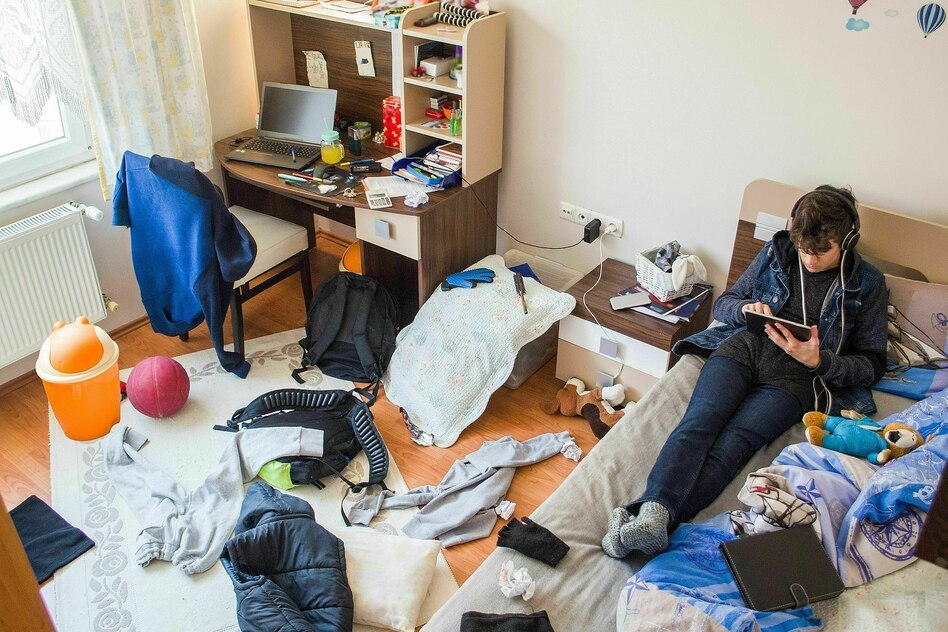
That was a shock for Mio Schleth: The tax office wrote to the 19-year-old Berliner at the end of August that he would have to pay around 1,640 euros in second home tax for the period from his 18th birthday. As in the previous 15 years, he lives half the time with his separated parents in Berlin and pays no rent. “Parental custody ends when you come of age,” explains the Senate Department of Finance. That's why children over 18 who live in both parents' households on an alternating basis also have to pay the tax.
The alternating model enables children to experience as much everyday life as possible with both parents, even after their parents separate. At the same time, no parent is placed under a greater burden of care than the other. Mothers, for example, do not have to restrict their working activities unduly.
But now the tax office is thwarting Schleth's family's plans. It requires him to pay 20 percent of a fictitious net rent, which, according to the rent index, he would have to pay if his father did not make his children's room available to him free of charge. In Schleth's case, that should be around 1,033 euros per year. “I’m currently looking for work and I’m not earning anything,” complains Schleth.
“The law does not provide for a special exemption for adult children who live with both parents in an alternating model,” writes a spokesman for the Berlin tax administration to the taz. Minors and adult children are treated differently because their legal status is different: “Minors are subject to parental custody and are legally integrated into their parents’ household.” Adults can generally determine their whereabouts themselves.
The Association of Single Mothers and Fathers criticizes the Berlin practice: “Even if adults have the right to decide where they live, they are often still in school or training and therefore not economically independent,” says federal chairwoman Daniela Jaspers. The parents would have to pay for the maintenance, which would make the second home tax more difficult. “For family policy reasons, there should generally be no second home tax within a municipality for young adults who are still in school, training or studying.”
Melanie Ulbrich, federal chairwoman of the maintenance and family law interest group, says: “Young adults should not be burdened with second home tax simply because their family home is split between two households as a result of their parents’ separation.”
The municipalities deal with this differently. Erfurt, for example, also levies the tax on adults who no longer go to school. In Nuremberg, on the other hand, people with little or no income can be fully or partially exempt from the tax upon application. Students or young job seekers are usually likely to be below the income limits. According to the tax authorities, Hamburg generally does not charge the tax when it comes to a children's room and the children are neither tenants nor owners.
Schleth doubts that the Berlin tax administration is applying the second home tax law correctly. “She says that the exemptions have been conclusively regulated - and then refers to an exemption for minors that is not in the law at all,” said the Berliner. In fact, the list of exceptions mentions, for example, rooms in women's shelters, but not children who live with their parents.
Schleth also argues that other laws would treat adult children in training as economically dependent, for example when it comes to child benefit or maintenance. “Why should the second home tax be any different?” he asks. The 19-year-old is now waiting for the tax office to decide on his objection to the tax assessment.
Read the full story at the source
Source: taz