
Germany taz
SPD lets members decide: Steffen Krach asks the question of trust
After the Left and the Greens, the Berlin SPD also decided to conduct a member survey. The risk that Steffen Krach is taking is high. more...
Deutsch (original) ·Auto-translated to English
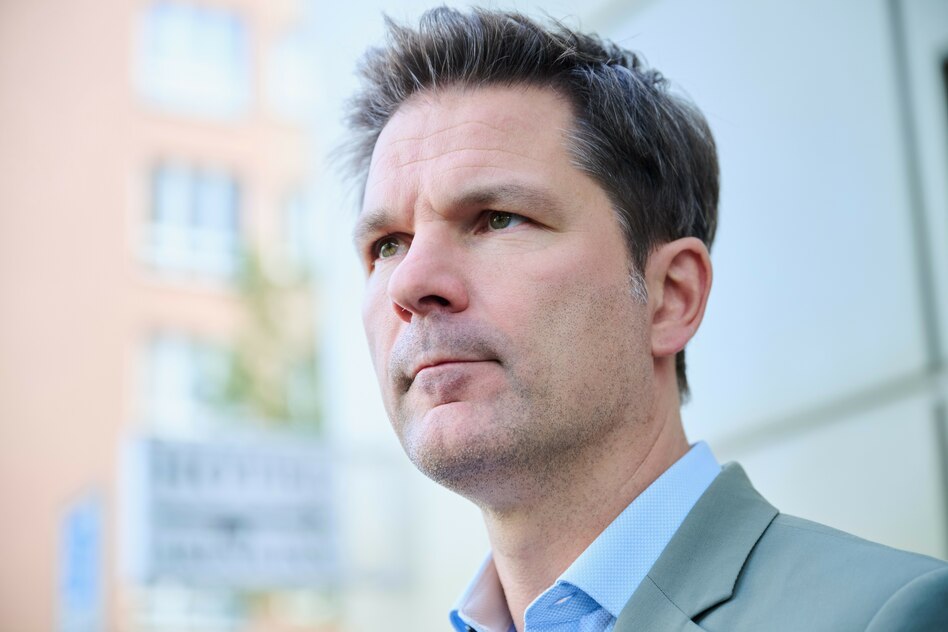
Well then. In order to forestall the vote with their feet by the district associations, the two SPD state chairmen Steffen Krach and Bettina König have decided to flee forward. In response to their suggestion, the executive state executive committee unanimously decided on Tuesday evening to let the grassroots vote on a coalition agreement that has yet to be negotiated.
The district associations of Reinickendorf and Lichtenberg had previously called for such a member survey. If three other SPD districts had joined the vote, a survey would have taken place even without a decision from the state executive board.
Top candidate and co-country chief Steffen Krach in particular is taking a risk with this step. In contrast to the delegates at the SPD state party conference, which are mostly made up of left-wing officials, the mood at the grassroots level is often difficult to assess.
In May 2024, the 18,000 SPD members voted in a runoff election with 58.5 for Martin Hikel and Nicola Böcker-Giannini, who are more on the right of the party, as the new SPD state leaders. The left-wing candidate duo around Jana Bertels and Kian Niroomand got 41.5 percent. Previously, the then parliamentary group leader Raed Saleh and his co-candidate Luise Lehmann were eliminated in the first round with 15.7 percent.
Almost 60 versus 40 percent: That is the hope that Franziska Giffey also has in the base. The Senator for Economic Affairs, who wants to remain in office, rejects a red-green-red alliance and had already advocated a member survey early on. In an interview with Die Zeit, she described a grassroots vote on a possible coalition agreement as a “very big directional decision”.
Whether the SPD members speak out for or against red-green-red obviously also depends on which stakes the SPD can drive in the coalition negotiations. If the party were to retain the interior department and be able to pursue location policy with the economics and science department, for example, a no vote would be less likely, even among more conservative comrades.
In addition, a no vote would plunge the party into chaos, the consequences of which would be difficult to estimate. Not only Steffen Krach and Bettina König would then have to resign. In the new elections that would probably follow, the SPD would also have to look for a new top candidate.
It is this fear of new elections, in which the SPD could reach single digits for the first time in Berlin, that is certainly part of Steffen Krach's calculations. With the decision to conduct a member survey, Krach, who, unlike Hikel and Böcker-Giannini, was only elected state leader at a party conference, also raises a question of trust.
If the base follows him, he will finally be the new strong man of the Berlin SPD. If she refuses to follow him, the SPD has, to a certain extent, dissolved itself - and in a completely grassroots democratic way.