
Germany · taz · · 1h
Sleep hygiene: Floodlights in the bedroom
Deutsch (original) · Auto-translated to English
W hen I have to go to sleep, I'm usually a little disappointed. I would much rather read for longer, tidy up, paint, or watch the next episode of the thriller series. The hours I'm forced to lie around with my eyes closed feel like a waste. That's why the curtains in my bedroom are cream white. When the new day comes, I want to experience it instead of sleeping through it in a dark cave.
Researchers at Tulane University in New Orleans have discovered that this is exactly what would be healthier: sleeping in an absolutely dark room. Because light during sleep, even in small amounts, damages the heart, I read in the study published in the European Heart Journal. The researchers immediately got my attention.
For the study, the 11,017 participants wore a light sensor around their wrist for a week to evaluate how much light the test subjects received overnight. For some it was 0 lux, meaning they slept in complete darkness, while other participants were exposed to 3 lux. This corresponds to a glowing cell phone screen on the bedside table or the light coming through a crack in the door.
After three years, the hearts of all test subjects were examined using MRI images. In the participants who were exposed to more light, the left ventricle had enlarged, the heart wall was thicker and the heart's pumping function had decreased.
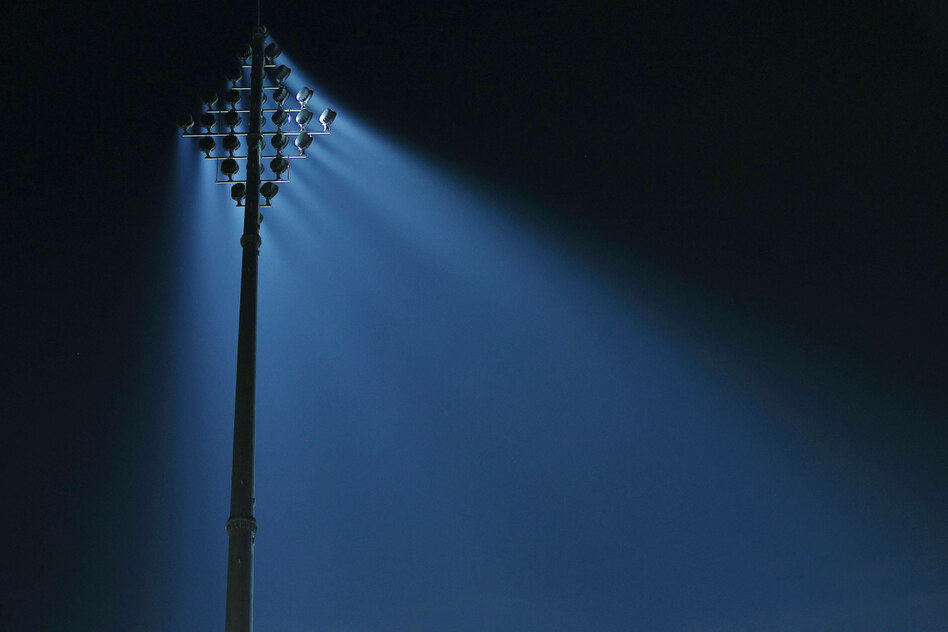
I read this and am horrified. Last winter, when Berlin lay under a blanket of ice for weeks, the snow reflected the light from the street lamps so strongly that I lay in bed and thought someone had installed floodlights in front of my door.
Maybe I should change something about my sleep hygiene, I think and search online for blackout blinds. Those that are covered with an opaque film on the window side and have previously caused anxiety in me.
Do I have to worry about my heart now because I don't get dark at night? I'm on the phone with Ingo Fietze, he heads the Interdisciplinary Sleep Medicine Center at the Berlin Charité and is currently preparing a study on the effects of light on sleep. Those who sleep poorly have a higher heart rate and higher blood pressure, which puts strain on the heart, explains Fietze.
A darkened room is therefore important for healthy sleep, as is a quiet environment. There is a limit value of a maximum of 30 decibels, but this is not yet the case with light.
Nevertheless, as a young, healthy sleeper, you shouldn't view the results of the study too narrowly, Fietze reassures me. He points to the average age of the test subjects, which is relatively high - the study participants were on average 61.1 years old. “If you only measured young, healthy sleepers, the light would not have any effect on the heart,” believes Ingo Fietze.
But people with heart disease should definitely pay attention to their sleep, says the sleep researcher, instead of just thinking about the steps taken and what they eat.
You are reading a text from our future department. If you're interested in more positive perspectives, subscribe to TEAM FUTURE, the constructive newsletter on climate, knowledge, utopias. Every Thursday you will receive an email from us with strong thoughts for you and the planet.
🐾 Sign up now for the TEAM FUTURE newsletter – free of charge
I delete the blackout roller blind from my online shopping cart. But if there's snow again, I'll try a sleep mask.
Read the full story at the source
Source: taz