
Germany · taz · · 1h
Renovated Cologne Opera: A blueprint for the many cultural buildings
Deutsch (original) · Auto-translated to English
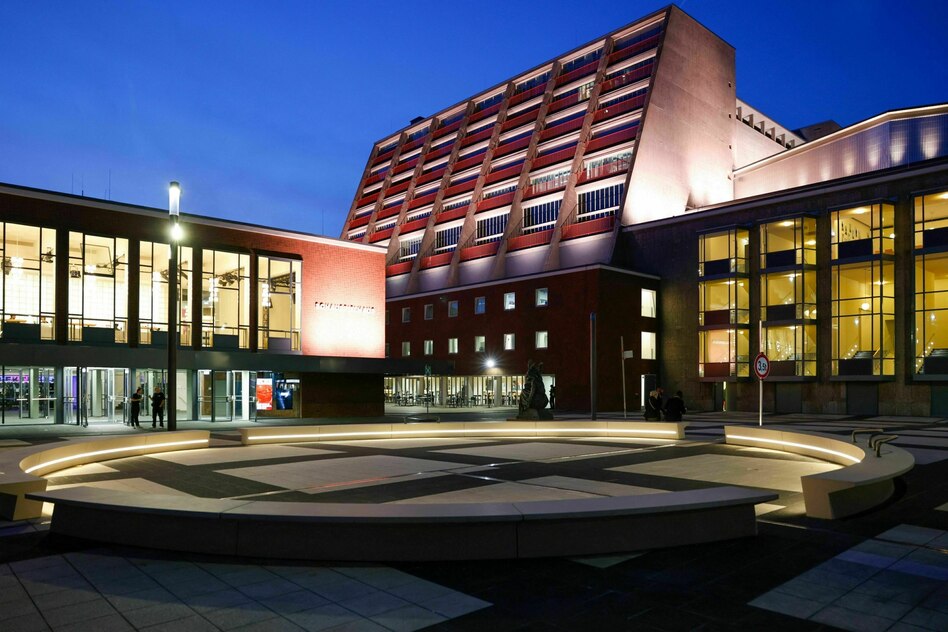
Until the Cologne Opera was finally renovated, it remained exciting until the end. Last week, just a few hours before the “Rosenkavalier” premiere, we heard about massive problems with the stage technology. It was installed in 2017 and is now almost ten years old. Obviously it will take some time until the highly complex systems are running smoothly, so director Marie-Ève Signeyrole had to dismantle her production at short notice to avoid any breakdowns.
The Cologne Opera is one of a series of ambitious large-scale cultural buildings in Germany that simply do not want to be finished and whose costs have devoured many times the originally calculated sum. According to plan, the Cologne Opera was supposed to have reopened in November 2015, but its renovation took a whopping eleven years longer. The costs calculated for this jumped from initially 253 to 798 million euros; with financing and expenses for the alternative venues, the debacle adds up to a total of around 1.5 billion euros.
The ensemble of opera and theater, designed by Wilhelm Riphahn (1889-1963) in the spirit of relaxed post-war modernism, was once one of the most architecturally advanced stage buildings in the young Federal Republic. But the opera in particular, with its impressive studio towers, was hardly recognizable after years of systematic neglect.
Now everything is back to square one. And in an astonishing way, the building appears modern again: the wide entrance front with its step-free entrances, the airy foyer, whose clear architecture is painted in subtly graduated pastel colors. A deep midnight blue glows in the sky above the foyers with their slim Murano glass lights. The Scandinavian-inspired purism and the democratic openness of the buildings are once again in tune with the times.
The ensemble was also functionally expanded. In addition to the opera and theater, there is now also a “Little House”, workshops and the underground hall for the children's opera, which is lined with shimmering gold majolica ceramics. The total area of the huge theater complex has grown by 17,000 to 66,000 square meters and to a total of 2,280 rooms, in the renovation and planning of which 58 companies and 22 planning offices were involved.
Fatal mistakes were also made over the years of renovation. This and the learning process from it could become an example, a blueprint for the many houses that still have their renovation ahead of them.
At Cologne's Offenbachplatz it's finally about art again. The house has to deliver now. Three times more subscriptions have already been sold than in the last interim season. Despite the general high spirits in the hall, Richard Strauss's sweetest opera does not want to ignite, although one can wonder why this work of all things was chosen for the reopening and why a reference to Cologne's musical history was not sought with an Offenbach operetta.
The conductor Andrés Orozco-Estrada takes a rather heavy-handed approach to the pit; it seems too loud throughout. But the hall sounds wonderfully bright and transparent. Maybe the orchestra needs to learn again to play in good acoustics? The people of Cologne still celebrated the evening.
Read the full story at the source
Source: taz