
Politics · taz · · 1h
Saxony-Anhalt after the election: Culture only with confession?
Deutsch (original) · Auto-translated to English
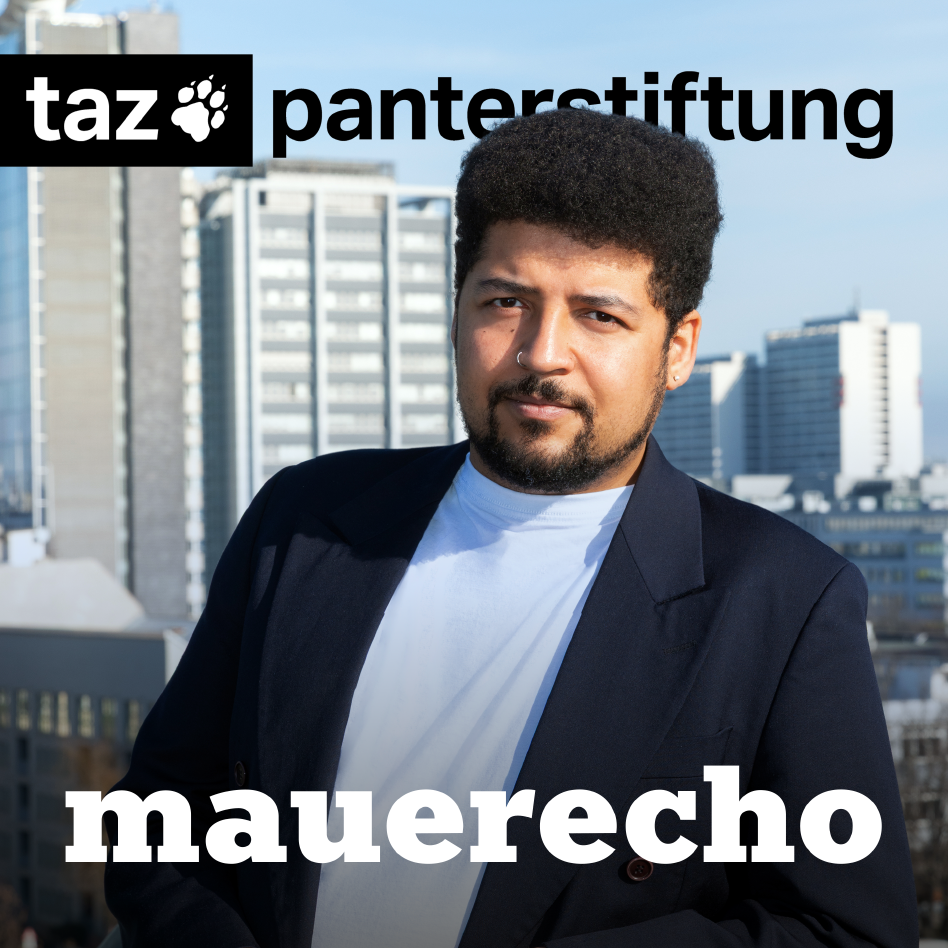
“In order to give ourselves a healthy self-confidence again, we will, among other things, tie cultural funding to a commitment to our country.” This is on page 8 of the AfD Saxony-Anhalt's short-dial program for the 2026 state elections. But what exactly would such a commitment look like? And what consequences would it have for the cultural landscape in Saxony-Anhalt? For the new special episode of “Mauerecho”, recorded at the Osten Festival in Bitterfeld-Wolfen, representatives from the cultural sector talked to each other.
Wolfgang Aldag, member of the state parliament for the Green Party, says culture must become more independent of state funding. Volunteering also plays a role. Nicole Tröger, director of the WUK Theater Quartier, points out the precarious financial situation of many freelance artists. She would have liked more support in the past instead of relying on people to work on a voluntary basis. Stephanie Scholz from Radio Corax and Folkert Uhde, managing director of the Köthen Bach Festival, will also discuss with them.
Donations to the taz panter foundation provide financial support to independent and critical journalists on site and in exile as part of the projects “War and Peace Diary” and “Our Window to Russia, Belarus and other post-Soviet countries”. On the last day of every month our podcast “Free Speech” appears, in which voices from the foundation’s projects have their say.
Wolfgang Aldag, member of the state parliament for the Green Party, says culture must become more independent of state funding. Volunteering also plays a role. Nicole Tröger, director of the WUK Theater Quartier, points out the precarious financial situation of many freelance artists. She would have liked more support in the past instead of relying on people to work on a voluntary basis.
All interviewees emphasized that free cultural offerings depend on reliable financing. However, their positions differ when it comes to the question of how this financing should be organized. A possible conflict: If funding is linked to political or cultural conditions in the future, in their opinion, institutions would have to weigh up the conditions under which they still want to accept state funding.
The figures show how heavily parts of the cultural landscape are dependent on public funding. The cultural budget of the state of Saxony-Anhalt was around 193 million euros in 2026. This emerges from the cultural balance sheet of the State Chancellery and the country's Ministry of Culture. According to the federal and state statistical offices, the country spent between 150 and 200 euros per person on culture in 2021.
In a comparison of the federal states, Saxony-Anhalt ranked sixth out of 16 in terms of per capita spending on culture. Despite this comparatively high level of public funding, Nicole Tröger describes the financial situation of many freelance artists as precarious.
How exactly the AfD will try to implement its cultural policy plans remains unclear. You can find out how the cultural sector deals with this and whether there can be an intermediate way in this podcast episode of “Wall Echo – East Meets West”.
“Wall echo – East meets West” is a podcast from the taz panter foundation. It currently appears every week on taz.de/mauerecho and wherever podcasts are available. Special thanks go to our sound designer Sebastian Jautschus and our intern Kilian Hamidi.
Read the full story at the source
Source: taz