
Germany · taz · · 2h
“Rogacki” pop-up shop in Kreuzberg: “Do leftists eat oysters?” asks the press spokeswoman
Deutsch (original) · Auto-translated to English
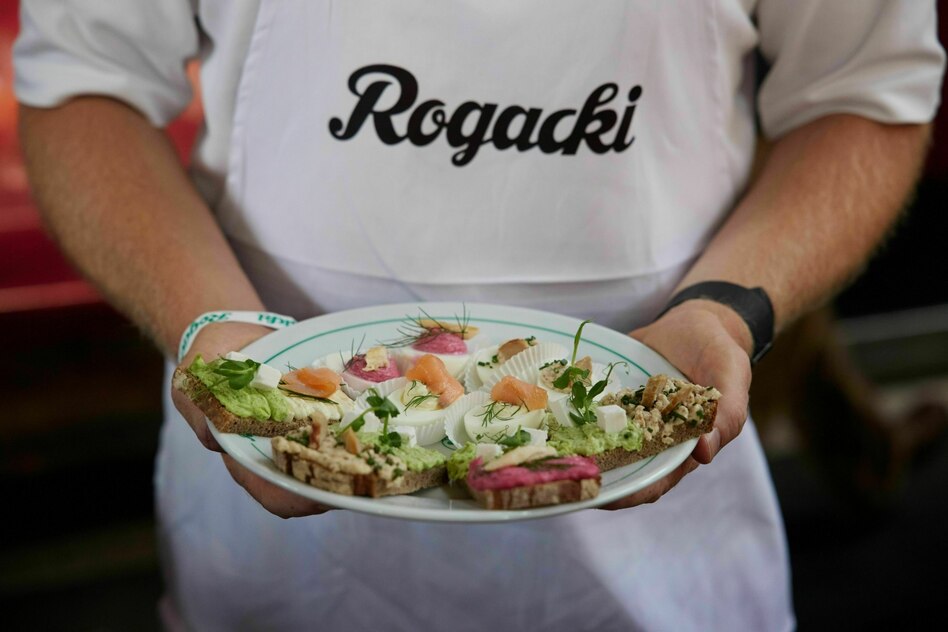
There are women in Barbour jackets. Men in stylish glasses with thick rims, in a shirt and jacket. Stiletto heels click on the floor of the market hall and Gucci bags push through the crowd in front of a new store. Is a luxury perfumery opening here today? A high-end wine shop? Or maybe a management consultancy?
No, the reason for this audience - admittedly raising the average age in the Kreuzberg Markthalle Neun - is the opening of a pop-up shop, namely the Charlottenburg delicatessen institution Rogacki. The fans from chic Charlottenburg still seem a bit out of place in Kreuzberg, but there was great anticipation when it was announced that the traditional store would be opening again after a break of just over a year.
Evil tongues asked before the opening whether the people of Charlottenburg weren't afraid of Kreuzberg. But don't worry, it won't just be this pop-up store. According to the new owner Daniel-Jan Girl in a speech to the audience, they are still looking for a new headquarters that they want to open in 2028 for Rogacki's 100th anniversary. “We really want to and will open a store in Charlottenburg again,” says Girl. He won't reveal where exactly that evening.
The former store on Wilmersdorfer Straße in Charlottenburg also has a long history. In 1928, the married couple Paul and Lucia Rogacki founded their shop as an eel and fish smokehouse in the Berlin district of Wedding. Four years later they moved to Charlottenburg, grew larger over the years and made the Rogacki name into a gastronomic institution in Berlin.
In addition to fish specialties, there was also game, cabbage rolls, fresh bread with cheese and sausage as well as wine and champagne. In 2025, Dietmar Rogacki, owner and grandson of the founder, died unexpectedly in a fire in his villa and the business went bankrupt. Until Girl took over.
The guests in the market hall reminisce, thinking back to the many Christmas Eves they spent at Rogacki's, a Charlottenburg Christmas tradition. "The tourists went to KaDeWe, we went to Rogacki's. And at 2 p.m. it was over." The regulars at the Christmas drinks party will have to wait until Rogacki opens a new shop in Charlottenburg.
Franziska Giffey is there to offer consolation: The SPD politician should give a greeting at the opening, because who is doing more for Berlin than her, “regardless of every political stripe?” says Daniel-Jan Girl. Giffey praises the meatball cream, which is also available on the sampler today, as her favorite. The new opening would now be about “reviving tradition”. The audience applauds.
Then we count down from 10, Girl ceremoniously cuts a ribbon, the red curtain falls from the facade of the shop, which is three times the length of many other stalls in Market Hall Nine. Giffey poses for the cameras with a turquoise sign with the imprint “FISCH Specialties”. Giffey will also be available for photos later in the Rogacki oyster bar.
Envy arises because the former mayor received a much larger plate of samples than the other invited guests, including the former governing mayor of the SPD, Michael Müller. Nevertheless, there is a lot on offer here: no bubbly, but three different types of wine. The people from Charlottenburg who have traveled here also like it and feel at home here.
People sit sociably on beer benches, eat pancakes with meatball cream and feed each other half eggs. You can also happily slurp the freshly opened oysters at the bar. “Why is everyone going so crazy here?” asks a young woman who walks past the hustle and bustle. Because of a fish shop, is the answer. The opening seems to be a hit.
But whether the regular audience from Charlottenburg would dare to venture further east was not the only concern. “Do leftists eat oysters?” Rogacki’s in-house press spokeswoman, Mareen Eichinger, also asked herself about the new location in SO36, not far from Rio-Reiser-Platz, Görlitzer Park and the Rauch-Haus. However, that shouldn't be a problem.
Many leftists in Kreuzberg have long since ceased to be squatting punks, but are more educated middle-class people, natural wine drinkers and just as fond of fine dining as the audience in the West. Other wine bars in Markthalle Neun now also serve the trendy oyster as a glass. Especially on “Street Food Thursday” you see one thing in particular: stylish suit trousers, mod-cut hairstyles, fast glasses and a lot of tourists visiting the market hall.
In addition, the market hall is no longer about providing people living in the neighborhood with inexpensive food. In 2021, for example, the local discount supermarket Aldi closed and was replaced by the drugstore dm. The prices in the organic vegetable shops in the market hall are also far above what many residents can afford.
It's not just the market hall that contributes to the fact that for many people who live here, the neighborhood no longer seems to be made for them. Trendy restaurants, a spa and an avant-garde fashion label replace the pharmacy, the Späti and the record store. The neighborhood is increasingly cultivating a hipster-esque audience who - even if they don't resemble Charlottenburgers, at least outwardly - will certainly not be averse to the fresh oysters at Rogacki.
Nevertheless - the appetizers are tasty and with a glass of wine in your hand you become part of the party party, which fits perfectly into the Markthalle Neun, without even having to carry a Gucci bag.
Read the full story at the source
Source: taz