
Repression taz
Repression in Russia: 79 political prisoners died in custody
More and more people are being convicted in Russia on alleged terrorism charges. Many people no longer survive their imprisonment. more...
Deutsch (original) ·Auto-translated to English
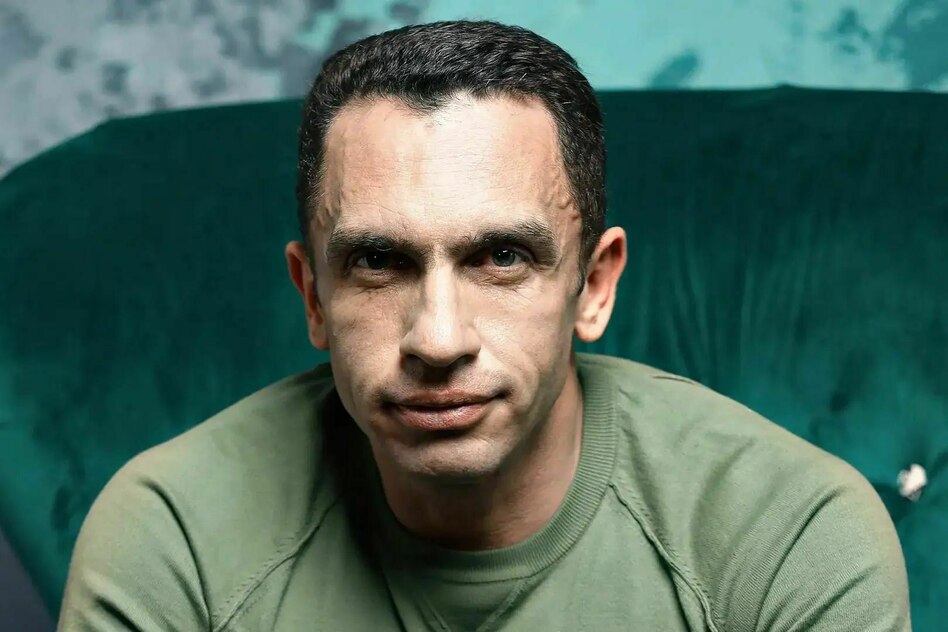
A prisoner's ultimate means of pressure is a hunger strike. This is not always a mere act of political will, at least not if the decision is based on serious health restrictions. As was the case with Moscow political scientist Alexander Kynev, who was imprisoned shortly after the Duma elections at the end of September.
On Monday, Moscow human rights lawyer Mikhail Biryukov reported, a colleague of his visited Kynew in detention center number 4. Kynew was transferred there from a detention hospital in mid-October. During his brutal arrest on September 25, his right shin was broken in two places. Since then, the distinguished election expert has barely been able to move around on his own and cannot use the toilet in his cell because of his leg in a cast. That's why, Kynew told the lawyer, he stopped eating.
To illustrate: Kynew is housed in a cell designed for 34 people and is currently occupied by 35 prisoners. It is the largest group cell in the building. Instead of a toilet bowl, there is just a hole in the floor. The prison administration denied that the prominent prisoner was on hunger strike and did not have any explanation. Needless to say, Kynew also does not have access to adequate medical care under the current conditions. He faces a sentence of ten to twenty years in prison for alleged drug trafficking.
Alexander Kondratov didn't even survive pre-trial detention. On Friday last week, the 52-year-old, award-winning production designer in Russia was transferred from prison to one of Moscow's largest hospitals, where he died. After the weekend, the human rights project “First Department” reported that Kondratov had died. It was said to have been a heart attack, but the lawyer was not shown the body in the pathology department.
In the summer, Kondratov was arrested on charges of treason. Previously, he had served one misdemeanor sentence after another for over 70 days - always under flimsy pretexts. There is a system behind the fact that he should ultimately be tried for a serious crime. In 2012, the filmmaker moved his residence to Kyiv and traveled to Russia in spring 2026 to apply for a new passport. He was arrested at the airport.
Kondratov is not an isolated case in several respects. The same thing happened to Svetlana Golovatenko, who also traveled to Russia via detours after a long absence from Ukraine. She is alive, while at least eleven people persecuted for political reasons have died in custody since the beginning of the year alone. Among them is Igor Yakovenko. He was sentenced to five years in prison because he is said to have planned to join the “Freedom of Russia” legion fighting on the Ukrainian side. At the beginning of October he was diagnosed with an inoperable brain tumor and the authorities sent him back to prison to die.
The human rights center Memorial, which is banned in Russia, lists 79 deaths of political prisoners in Russian prisons or immediately after their release in its statistics. Three quarters of them since the start of the all-out war against Ukraine.
Even high-ranking politicians are not immune to political persecution. On September 22nd it hit the former Duma deputy of the Communist Party (KPRF) Oleg Mikhailov. Possibly not entirely unprepared: The studied biologist and active environmentalist from the Komi Republic is said to have received warning signs of a possible arrest, but still returned to Russia from vacation. The accusation against him is: Justification of terrorism: He had publicly supported the sociologist and journalist Boris Kagarlitsky, who was sentenced to five years in prison for the same reason at the beginning of 2024.