
Germany · taz · · 3h
Government crisis over sugar: It's not really about health
Deutsch (original) · Auto-translated to English
Actually, 650 million euros is peanuts. They don't let any budget politician sleep badly during budget negotiations; such sums can always be found somewhere. Nevertheless, the federal government is currently arguing about this amount.
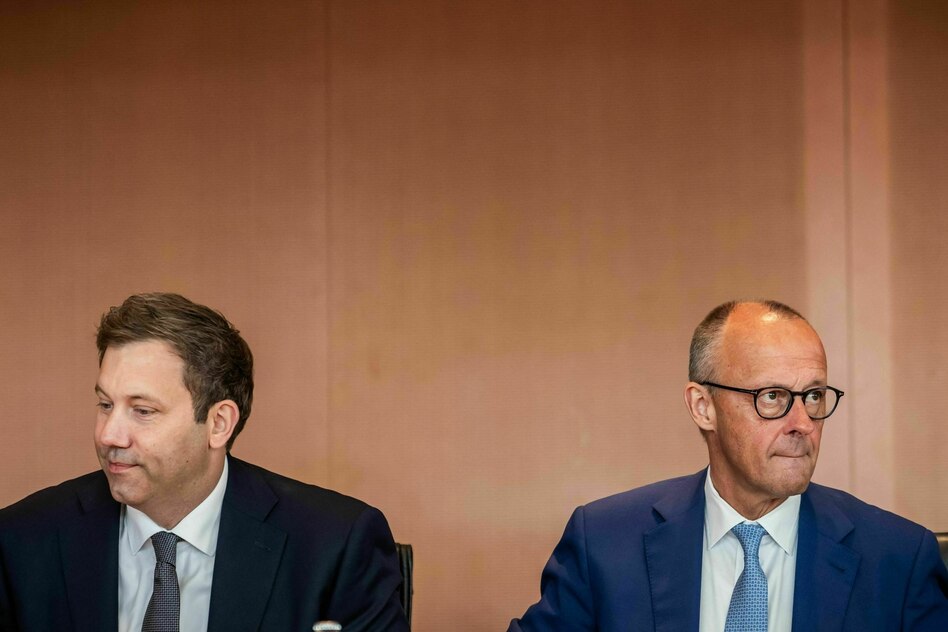
Vice Chancellor and Finance Minister Lars Klingbeil (SPD) has already budgeted for state revenue equal to the agreed sugar tax for next year. According to media reports, Chancellor Friedrich Friedrich Merz (CDU) blocked the tax on sugary drinks because its design by Klingbeil goes too far for the Union and the sugar lobby. A government spokesman denied this on Friday and only spoke of normal votes. Nevertheless, the impression remains: things are not going smoothly with the sugar tax.
Ultimately, the coalition dispute is not about the sugar tax itself. Whether unhealthy drinks are taxed in two or three tiers should not actually lead to an open dispute between the Chancellor and Vice-Chancellor. Instead, the sugar tax once again shows that the Union and the SPD are drifting further and further apart when it comes to dealing with the economic crisis.
The taz is an independent, left-wing and opinionated daily newspaper. We have been arguing in our comments, essays and debate texts since the taz was founded in 1979. We often cannot and do not want to agree on an opinion. That's why you'll find some completely opposing positions here - all part of the very broad left-wing spectrum of opinions.
In the Union people think new or higher taxes are the work of the devil; instead they want to get out of the crisis with spending cuts and extra work. The SPD, on the other hand, has the unions breathing down their necks as they mobilize against the planned austerity reforms. The economic community is currently discussing how the country can overcome the economic, political and social crisis with a more aggressive industrial policy and interventions in the market, including socialization.
The federal government can therefore only hope that the economy will pick up again. According to the latest forecasts, this hope actually exists. A real upswing could reduce the perceived pressure to reform and also resolve the budget disputes because it brings additional tax revenue into the state budget. The Union's adherence to the cuts is counterproductive. Not just because it puts pressure on the SPD. Above all, it unsettles the people in the country. And that is poison for the economy because money is then saved for uncertain times instead of spent.
Read the full story at the source
Source: taz