
Anti-fascism taz
Deutsch (original) ·Auto-translated to English
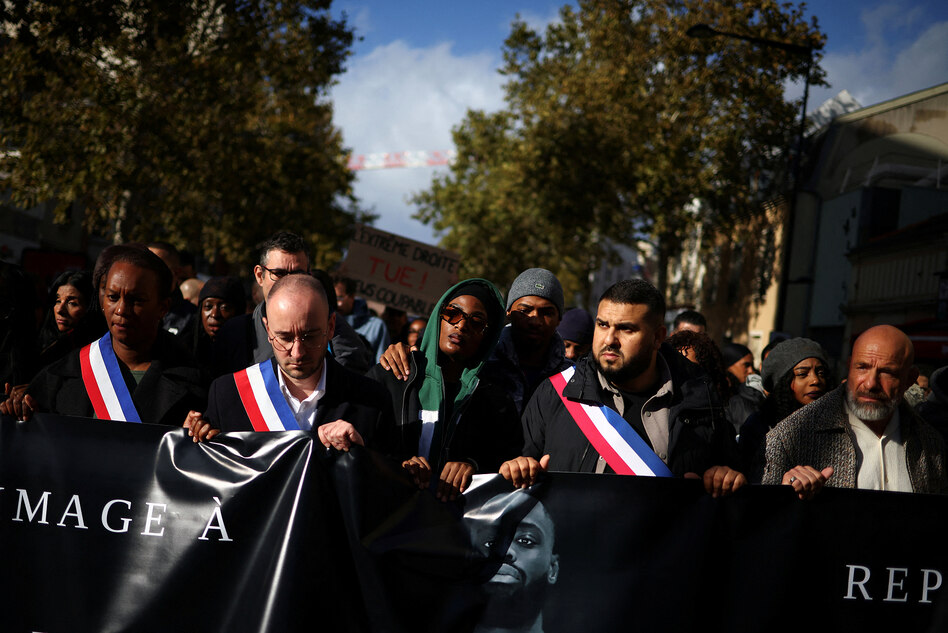
W hen you think about the last few weeks in France, you may picture the hundreds of thousands of demonstrators filling the streets in many places; think of burning barricades and police forcefully trying to maintain their idea of control. Maybe you also think of the burning town hall in Limoges or how looters carry luxury goods from Chanel stores. But you should also think about Pengo Bossio Wangi.
The 26-year-old was shot dead in an attack last week. He was an amateur MMA boxer and he was Black. Four other people were seriously injured. Including an 11-year-old girl, who according to her mother was wearing a hijab, was hit by eight bullets.
Kevin T. targeted people like her with his racist, Islamophobic terrorist attack. The perpetrator drove his car through the communities of Trappes and La Verrière near Paris, fired over a hundred shots at passers-by with a machine gun and specifically attacked black and Arab people. A copy of “Mein Kampf” was found on him and the anti-terror public prosecutor’s office is now investigating him.
The taz is an independent, left-wing and opinionated daily newspaper. We have been arguing in our comments, essays and debate texts since the taz was founded in 1979. We often cannot and do not want to agree on an opinion. That's why you'll find some completely opposing positions here - all part of the very broad left-wing spectrum of opinions.
According to information from the French daily newspaper Le Monde, Kevin T. is said to have stated that he wanted to avenge the shopkeepers who were looted during the riots on October 17th. The language and slogans of the extreme right will continue to shape debates until the presidential election.
Nevertheless, the question that dominated the media over the weekend was whether the nationwide protests, “Act II”, would lead to further riots. Few look to Trappes to look at the attack and the hundreds of people who gathered there in mourning on Saturday, or at the numerous rallies against racism.
As if we wanted to close our eyes to how deeply racism has permeated our society and is shaping the shift to the right; whether in Germany or France.
After the riots on October 17th, the dominant narrative was that immigrants and people with a migration background were to blame. Especially since the extreme right has been working for years on the narrative of the enemy within, which they define as migrants and Muslims. The party leader of the Rassemblement National Jordan Bardella repeatedly encouraged racism, calling Trappes the “Islamic republic in miniature”. The city's left-wing mayor criticizes that Trappes has repeatedly been made a target.
In doing so, he ignores the history of racist violence in France. Especially since politicians from his camp and conservatives also repeatedly use terms from a right-wing extremist world of ideas. Seems somehow familiar when it comes to Germany, doesn't it?
The narratives are connected, and the media needs to pay attention to this, especially in light of the upcoming Gen Z protests. German politicians, especially the CDU, have also joined the racist interpretation and projected it onto the protests here.
And of course the concern remains that this was just the beginning. This situation could worsen further before the presidential election in France in April; so that black people, Muslims and everyone who is seen as such must fear increasing hostility in language or physical violence. That's why it's only right to see the protests as anti-racist and as a bulwark against the extreme right.
It's about the core promise of égalité, equality, in every respect. At one of the demonstrations on Monday, Benjamin Ball, one of the organizers of the yellow vests, promised that in the coming demonstrations, starting this Sunday, “feminists, anti-racists (…) will be at the forefront of the demonstrations.”