
Politics · taz · · 2h
Setback for Trump administration: US court stops visa rules for students and journalists
Deutsch (original) · Auto-translated to English
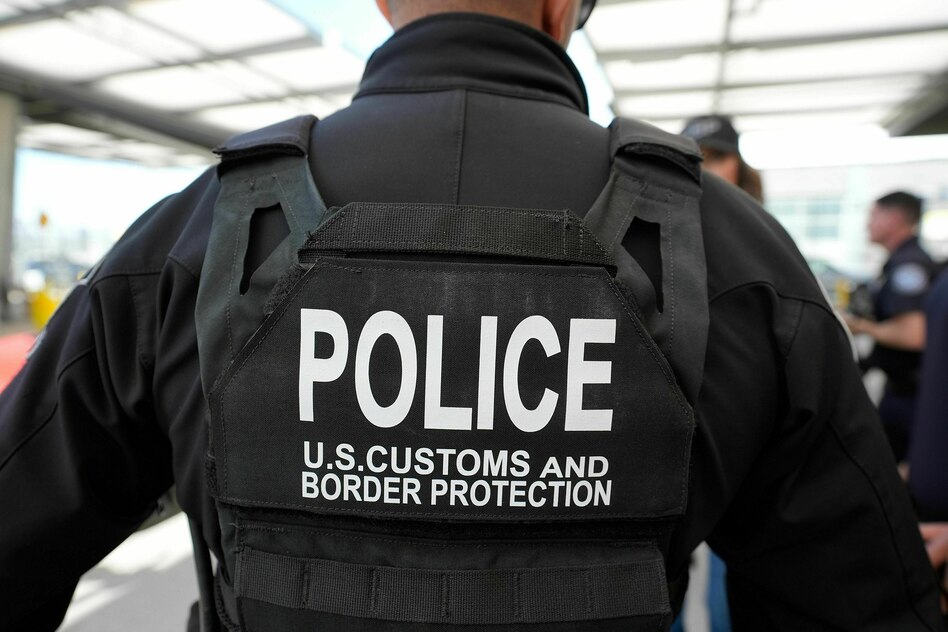
dpa | The US government is not allowed to implement its plans to restrict the length of stay of foreign students and media representatives in the country until further notice. A US court granted a motion by the plaintiffs against the Department of Homeland Security and issued a preliminary injunction. As a result, the new visa rules may not come into force this Tuesday as planned and the Trump administration's plan is initially on hold. However, the main proceedings in the matter are continuing, so a final decision is still pending.
The lawsuit was brought by a coalition of university presidents, educational organizations and unions that advocates for the rights and support of foreign students.
The plans stipulate that a maximum stay of four years will be set for students and exchange students. Journalists should be allowed to stay in the USA for a maximum of 240 days at a time. In both cases, it should be possible to apply for extensions without having to leave the country.
The three visa categories for students (F visa), exchange students (J) and journalists (I) have enjoyed exceptional status for years. Their holders were not allowed to enter the USA for a fixed period of time, but for “Duration of Status” – the duration of their respective status. For journalists, according to the rule, this meant that nothing changed for them as long as they worked in the same job for the same employer. Students were officially allowed to stay in the country for the duration of their training.
In his decision, Judge F. Dennis Saylor argued that the Department of Homeland Security had not presented a reasonable cost-benefit analysis for the proposed new regulations. He also criticized the fact that the authority under its new head Markwayne Mullin had neither seriously considered alternatives nor presented reasons that would have justified rejecting other options.
In addition, the judge went on to explain that the determination of a specific period of time was arbitrary, writing: “A foreign student who wants to photograph military bases could probably do so within a four-year period - or even with a six-month B-1 tourist visa.” The Department of Homeland Security also assumed a period of four years in which people would usually complete their studies. In reality, the average length of study would be 5.7 to 7.3 years.
Read the full story at the source
Source: taz