
World · taz · · 5h
Returnees to Russia: 18 years in prison for transferring 30 euros
Deutsch (original) · Auto-translated to English
The taz panterstiftung presents a weekly selection of current reports from Russian critical media every Wednesday at taz.de/unserfenster. With this project, the taz panter foundation strengthens independent journalism and enables critical editorial teams to continue their work even under difficult conditions.
Meduza opens a window to Russia with the following article. You can find the whole article in Russian here.
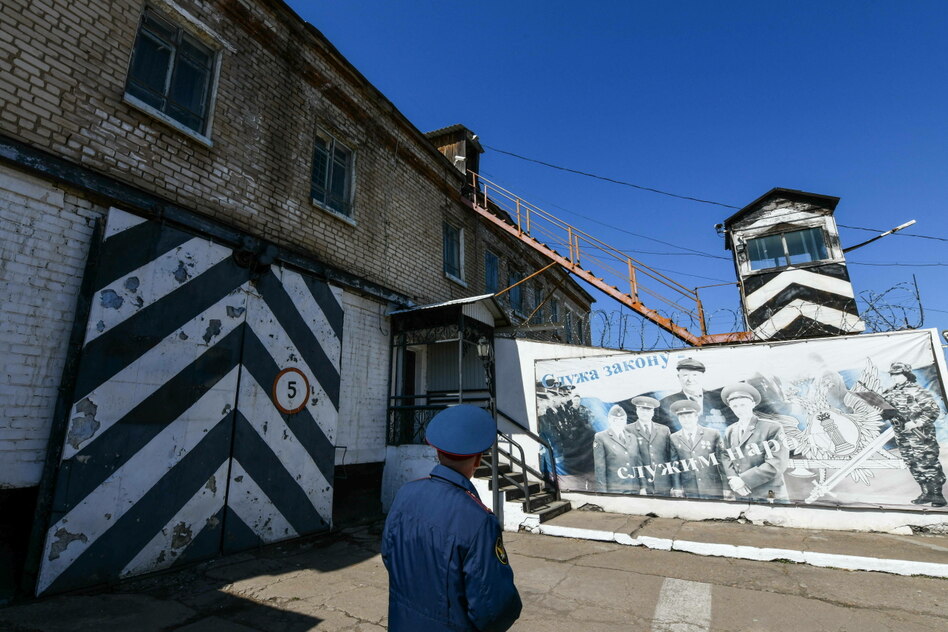
More and more Russians returning to their homeland are being arrested. For example, philosophy lecturer Nikolai Zyusev. After the full invasion of Ukraine began, he left Russia and returned to his home village in 2025. There he was arrested and charged with treason. A court has now sentenced him to seven years in a penal colony. According to the human rights organization Memorial, at least 40 such cases have been documented since the war began in 2022.
Zyusev left Russia in the 2000s. At that time he moved to Canada, where he taught and received Canadian citizenship. In the following years he returned to the Komi Republic to work.
In an article for the Canadian magazine Maclean's in 2023, Zyuzev wrote that he was working on establishing an educational platform about the indigenous peoples of Russia. “We see an opportunity that has arisen following Putin’s disastrous invasion of Ukraine,” he wrote. “Indigenous peoples have been disproportionately affected by the war – both at the front and through conscription into the Russian army.”
He has been living in Lithuania since 2022. However, in the summer of 2025, he traveled to his home village of Podjelsk. Even his friends don't know exactly why he decided to return. Perhaps he missed his homeland and believed that no one was particularly interested in him.
After his return, the scientist disappeared without a trace. It was only more than a year later that it became known that he had been sentenced to seven years in prison for treason - as the author of a project to "liberate" the indigenous peoples of Russia. According to the Russian domestic intelligence service FSB, the project was directed “against the sovereignty of the Russian Federation” and was developed “with foreign funding”.
Other returnees were also targeted by the authorities after their arrival in Russia. For example Alexander Lunev, who became known for his unusual water tower in Tomsk. He bought the tower in 2012 and converted it into his home over several years.
After the war began, he moved to the Czech Republic, but returned to Tomsk in August 2026 with his wife and his few-month-old daughter. He was arrested there. The authorities accuse him of having financially supported Alexei Navalny's FBK anti-corruption foundation. He faces up to eight years in prison for “financing extremist activities.”
The IT specialist Mikhail Lostschinin has lived in Europe since the late 1990s. In the summer of 2025, he traveled to Russia to visit his father after a heart attack. While crossing the Latvian-Russian border, border officials found numerous Ukrainian contacts on his cell phone. Loschtschinin's friends and relatives still live there. He hadn't "cleaned" his phone before his trip - apparently he assumed he didn't have to hide anything.
Loshchinin was arrested and accused of “high treason.” The reason was a transfer of 30 euros that he sent to his former girlfriend in Ukraine in 2022. According to his own statements, he faces up to 18 years in prison.
Voronezh-born anarchist Pavel Vladimirov left Russia in 2024 at the age of 18 and went to Kazakhstan. He was arrested there at Russia's request and held in custody pending extradition for a year.
After his release, his father persuaded him to return to Russia. There, Vladimirov was sentenced to nine years in prison for attempting to join “foreign armed formations.”
With your donation to the taz panter foundation, you help to strengthen critical journalism and make it possible even under difficult conditions.
Read the full story at the source
Source: taz