
World taz
Presidential election in Bulgaria: Déjà vu for Brussels
Incumbent Jotova won the runoff election in Bulgaria for the presidency. This is not good news for Ukraine and the EU. more...
Deutsch (original) ·Auto-translated to English
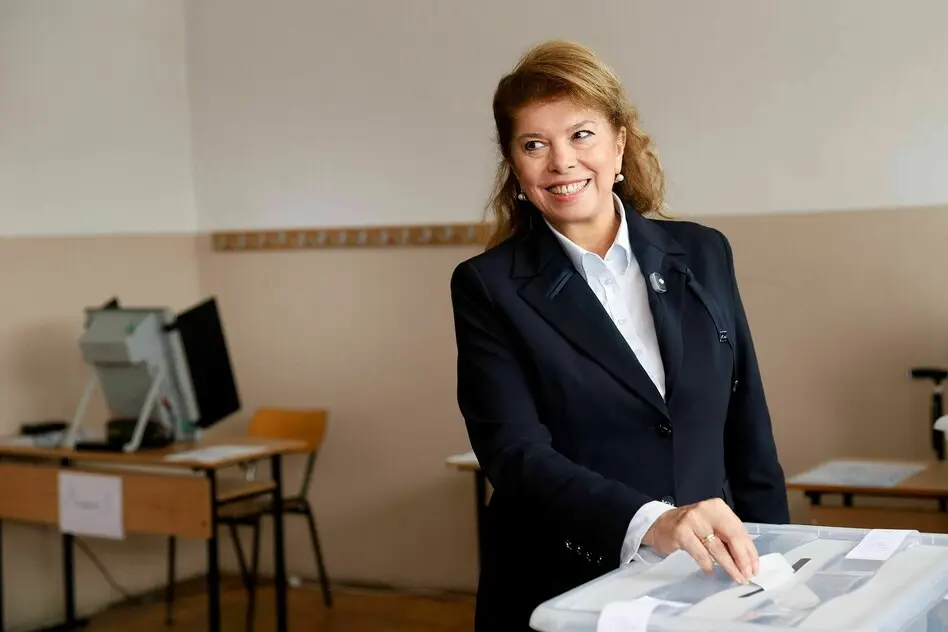
T he miracle in Sofia failed to materialize on Sunday: the incumbent head of state Ilijana Jotova won the runoff election for the presidency in Bulgaria against the candidate of the pro-European opposition parties, Andrei Gyurov - and quite clearly. Obviously, the cheap populism of the declared opponent of military aid for Ukraine has caught the attention of the majority of Bulgarians, although the voter turnout of 29 percent certainly does not indicate an overwhelming interest in the decision.
The ex-socialist presented herself as an angel of peace during the election campaign. Yotova advocated dialogue with Moscow and announced that she would strongly oppose the sending of Bulgarian soldiers to Ukraine, although this was never up for debate.
She was tight-lipped and rather reserved when ships were attacked with drones several times in the Black Sea off the coast of Bulgaria in October. On the other hand, she opened up original new fronts, for example by seriously claiming that obscure enemies of Bulgaria wanted to take away the Cyrillic alphabet from the people.
Now one could object that the position of President is above all a representative one. But it's not that simple. Because the real winner of this election is Jotova's predecessor and supporter, the current Bulgarian Prime Minister Rumen Radev. Like Jotowa, he is still surrounded by the musty stable smell of the worn-out Socialist Party. Radev also looks to Moscow and strictly rejects arms deliveries to Ukraine. He is also threatening to veto EU sanctions against Russia.
The EU must have followed the election results on Sunday with interest and had a feeling of déjà vu. Because with Jotova and Radev at the helm of the Balkan country, she gets the Hungarian former head of government and Putin friend Viktor Orbán in a double pack. What this meant, especially for Ukraine, is probably well known. It will be interesting to see whether and what Brussels has learned from this experience.