
Politics taz
Protests in France: fobbed off with five euros more
The French government announces a meager increase in the minimum wage. The unions react outraged and call for further action. more...
Deutsch (original) ·Auto-translated to English
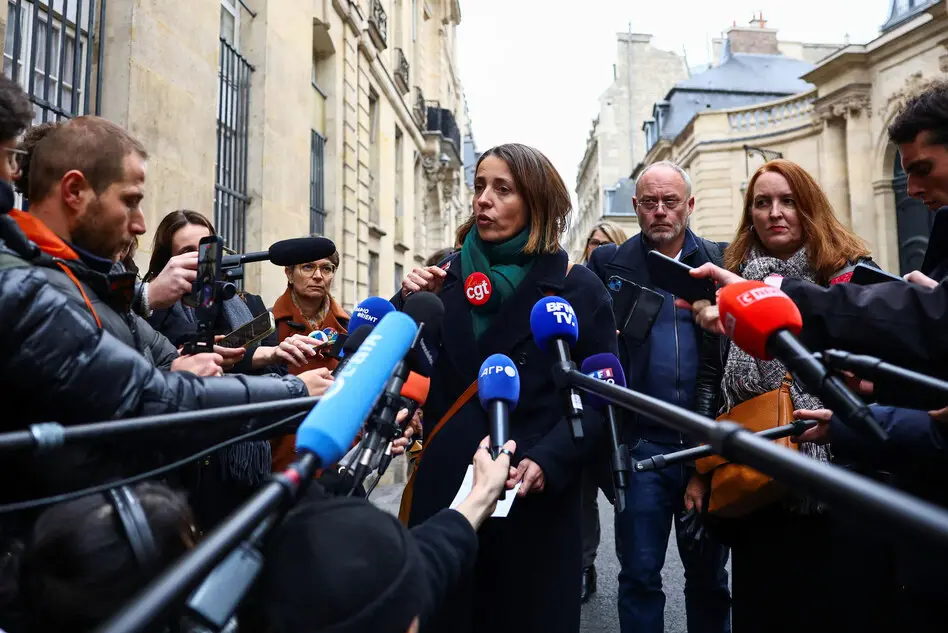
After several weeks of protests, strikes and demonstrations, French Prime Minister Sébastien Lecornu called a conference with employers' associations and unions on Monday morning. The aim was to resolve the social crisis in the country. From the reactions of the unions it can be concluded that the government has not succeeded in this. The test of strength continues.
The unions had demanded monthly wage increases of 100 or 150 euros net. With regret and pointing out that too many jobs could be lost as a result, the government finally agreed to an increase in the statutory minimum wage (SMIC) by 23 euros as of December 1st, which corresponds to an increase of 1.6 percent.
However, according to the Minister of Labor and Social Affairs, Jean-Pierre Farandou, the real increase amounts to 0.6 percent. It had already been agreed beforehand that 18 euros would be added to the SMIC to compensate for inflation. Since June 1st of this year this has been 1,478 euros net per month. In October, the Statistical Office announced annual inflation of 3.4 percent.
Somehow the calculation doesn't seem to add up. There is also great dissatisfaction among the population due to the massive increase in energy and fuel costs as well as expenses for certain foods. The question of purchasing power has been at the center of a social movement for weeks. These were originally triggered by young people who, for their part (and supported by the workers' unions), continue to demand more money for education.
The government's minimalist announcement is seen as a provocation by the unions. "We didn't come to ask for handouts. We want our work to be respected and for the immense social anger in the country to be responded to," protested Sophie Binet, chairwoman of the CGT trade union umbrella organization, immediately after Lecornu's press conference. Five euros more for the SMIC, which is just about the “price of a kilo of tomatoes”.
The usually moderate CFDT workers' association also considers the government's concession to be insufficient. Conversely, for unions acting in a united manner, it is a scandal that in almost two thirds of all private sectors of the economy that are now “invited” to wage negotiations, the statutory minimum wage of the SMIC is not paid.
Prime Minister Lecornu points out that this 1.6 percent is “the second largest SMIC increase in the past 20 years”. Labor Minister Farandou also explains the government's stance by saying that an increase of 1.6 percent would “not destroy any jobs.” If the SMIC were raised to 1,700 euros (as Jean-Luc Mélenchon's left-wing party LFI is demanding), according to the ministry's calculations, 230,000 jobs would be threatened.
France's economy is also in recession in the second half of the year. Binet said unmoved that the government was “once again rolling out the red carpet for employers’ greed for profit.” On the one hand, it does not respond to the unions' wage demands. On the other hand, it waives certain social contribution payments from entrepreneurs and is planning massive savings at the expense of employees in the currently debated state budget for 2027.
Binet read out the agenda for the continuation of the social movement: This Tuesday, pupils, teachers and students will strike and demonstrate, next Saturday there will be a fifth day of action by young people and yellow vests. On November 17th, all working people, pensioners and young people in the country should demonstrate together.