
Germany taz
Political crisis in Slovakia: Robert Fico no longer has a majority
The Slovak Prime Minister is losing his majority in parliament because of a dispute over former Environment Minister Tomáš Taraba. more...
Deutsch (original) ·Auto-translated to English
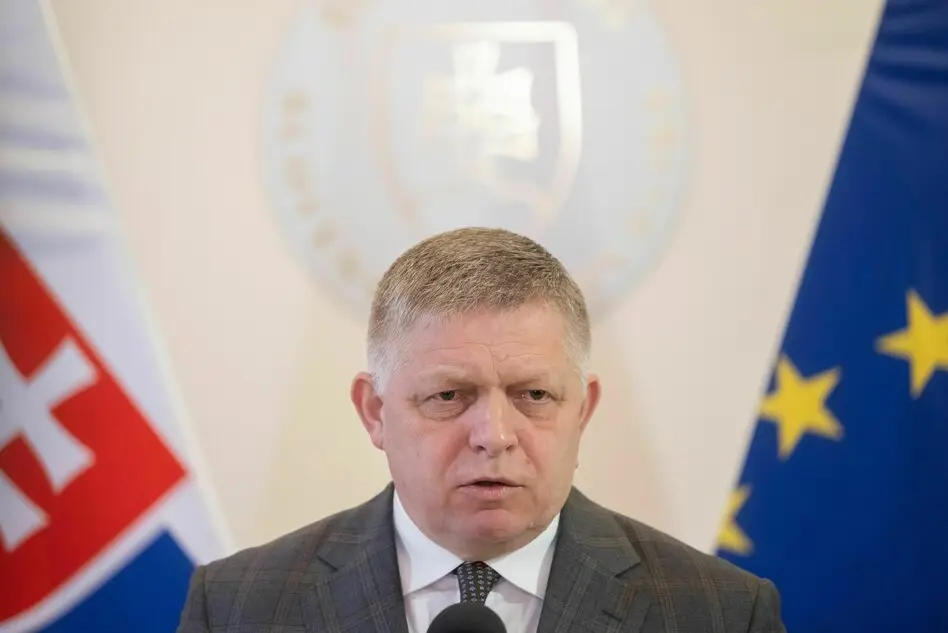
The Slovakian government made up of the right-wing populist Smer, the social democratic Hlas and the right-wing extremist SNS lost its majority in parliament on Tuesday. With 79 of 150 mandates, it has only just been secured since the 2023 election. Finally, it crumbled due to departures from the ranks of the Hlas.
The trigger is Tomáš Taraba. The former deputy prime minister and environment minister – non-party but elected on the SNS list – had been in dispute for months with SNS boss Andrej Danko, who was calling for his replacement. In May, Danko, Taraba and Prime Minister Robert Fico (Smer) agreed that the minister would leave until the end of September.
Although Fico asked President Tarabas to be removed, he withdrew the request out of concern for the majority. The SNS then overthrew Taraba together with the opposition in a vote of no confidence. Hlas also considered Taraba intolerable, but stayed away from the vote.
Now Taraba is founding his own party “Taraba – Rozvoj Slovenska” (“Development of Slovakia”). She was joined by two former Hlas MPs, the second on Tuesday. Since the coalition had already lost another Hlas MP at the end of 2025, it only holds 75 seats, one less than necessary. As a precautionary measure, all votes have been postponed until next week.
There is no sign of a way out of the crisis yet. Fico, already in his fourth term in office, rejected an early election on Wednesday. He blamed the coalition partners and announced a solution without naming it. It is conceivable that he will bring back defectors with offers of a position or continue as a minority government with changing majorities.
Taraba's group says it does not want to overthrow the government. President Peter Pellegrini had already declared on Tuesday that new elections would only take place at Fico's request. The opposition is still demanding it, PS leader Michal Šimečka warns against “horse trading” for votes.
“It is quite realistic that Fico will continue to govern without its own majority,” says Radoslav Štefančík, political scientist at the Bratislava University of Economics. As early as 2025, Fico had rewarded Rudolf Huliak, who had left the SNS faction, and Samuel Migaľ, who had been excluded from Hlas, with ministerial posts and thus brought them back. Taraba is also a skilled politician, Štefančík is again expecting secret agreements. There are bargaining chips, such as the Environment Ministry, which has been vacant since Taraba's departure.
Fico wants to avoid an early parliamentary election at all costs, says Štefančík. In Slovakia, the party that causes a new election traditionally loses. And people close to the Smer have problems with the justice system that Fico first has to solve. Fico wouldn't have much to gain anyway. In polls, his Smer is behind the liberal Progresívne Slovensko (19 percent) with around 17 percent. SNS would miss out on entering parliament and Hlas would lose significantly. Both partners are therefore likely to have little interest in an early election.
Fico himself bears “no responsibility at all” for the crisis, says Štefančík. He sees the main blame on Danko, who in 2023 brought well-known faces from all corners onto his list instead of party members. “Such a constellation is inevitably unstable,” said the expert.
Taraba could further benefit from this instability, as Culture Minister Martina Šimkovičová and MP Peter Kotlár also came to office on SNS tickets, but are not party members. With around 2.5 percent in polls, Taraba would hardly get into parliament alone, but could position herself for an electoral alliance with small parties.