
World taz
Parliamentary election in Israel: counted but not voted out
Netanyahu's camp is currently ahead in the Israeli parliamentary elections, but it is probably not enough for a majority. And now? more...
Deutsch (original) ·Auto-translated to English
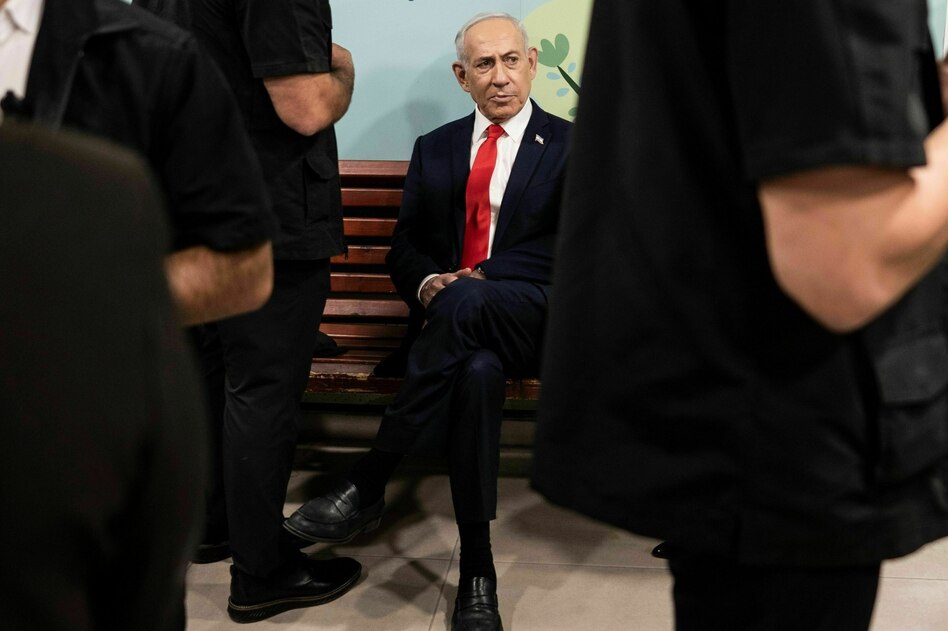
Just over two thirds of the votes were counted in Israel this Wednesday morning. And the preliminary result is extremely complicated: incumbent Prime Minister Benjamin Netanyahu's Likud party won the most individual votes; As of Wednesday morning, she was able to win 26 seats in the Knesset. The bloc of the current government parties is also ahead of the Zionist opposition bloc: a total of 53 to 48 seats. In order to achieve a majority, the blocs would each need 61 of 120 seats.
If the results don't change dramatically in the last third of the counting, two things are clear. First: Netanyahu is counted, but not voted out. Not even the fact that he ruled over Israel's fate on the black day of October 7, 2023 could really pose a threat to him.
Second: Forming a government coalition will be extremely pointless for both camps. And can actually only happen if promises from the election campaign are broken.
The parties that are not in the current coalition theoretically form the majority. There are the 48 seats of the Zionist opposition, within which the party of Netanyahu challenger Gadi Eisenkot won the most seats. According to the current count, there are 21; So he is clearly behind Netanyahu. In addition, there are the Arab parties, with a record number of 19 mandates won.
But that's where the problem begins. The Zionist opposition camp consists of four parties: Gadi Eisenkot's Jashar party, Bejachad of Naftali Bennet and Jair Lapid, Israel Beitenu of Avigdor Lieberman and the Democrats led by Jair Golan. Only the Democrats have declared that they want to form a coalition with the Arab parties; the other three have repeatedly spoken out against this during the election campaign.
After the election, Golan declared: “We can no longer accept Netanyahu’s racist division between Jewish and Arab votes.” You have a majority and you can now form a “government of change” with the Arab votes.
But would the Arab parties be willing to do this? Two electoral lists ran on Tuesday. The United List – an alliance of the parties Hadash, Ta’al – and Balad. The three are more secular and Arab nationalist. All three are eternal opposition parties, and there has been no apparent will to govern so far. The second Arab list, Ra'am, has already sat in an Israeli government once, in 2021 and 2022.
Before the election, party leader Mansour Abbas said: They hoped for eight mandates and to be included in the opposition camp's formation of a government. Abbas had also declared that he wanted to steal mandates from the United List - in the opposition one thing more or less makes no difference. According to the current disbursement status, Ra'am now has 7 mandates, while the United List has 12; making it the third strongest force.
Ra'am's hope of getting at least 61 seats together with the Zionist opposition parties has therefore not been fulfilled. As things currently stand, a majority could only be achieved with both Arab parties. Ha'aretz journalist Noa Landau writes on Whether the United List would even be willing to do this remains unclear.
In addition, the right-wing parties are also ahead in this election. With the exception of the Democrats and the two Arab electoral lists, the opposition bloc is center-right and right-wing. A coalition with the Arab parties, and especially the Arab nationalist United List, would probably be less likely to meet the will of the voters.
The possibility of a unity government consisting of Likud and the Zionist opposition parties still remains. Likud, Bejachad, Jashar and Israel Beitenu would currently have 66 mandates. However, the opposition had promised before the election not to form a coalition with Netanyahu and would have to break that promise to do so.
There are increasing signs that there could be a renewed outbreak of the Iran War. Netanyahu, who recently received prominent support from US President Donald Trump, should know how to use this to his advantage.