
Germany · taz · · 1h
New novel by Rachel Cusk: From the Life of a Swan
Deutsch (original) · Auto-translated to English
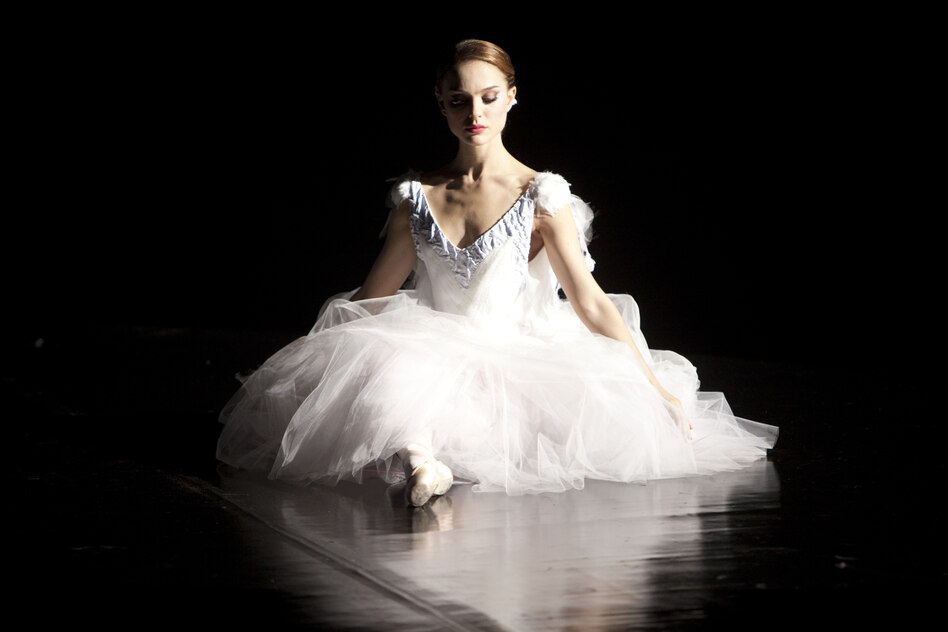
Rachel Cusk's new novel The Life of M raised questions before the first page could even be read. Even before the book was published, there was speculation that the actress Cusk writes about in the novel was Natalie Portman.
This is a text from Literataz, which was published in the wochentaz on October 2nd for the Frankfurt Book Fair. The taz will be live again in Frankfurt, with readings, discussions and of course the taz stand. You can find the entire program here. All reviews from Literatz are gradually appearing online, and you can find them collected here.
This is suggested by biographical similarities, such as M's breakthrough role in a sexually themed film in which she appeared as a young girl, or her role as a ballerina, which was well received. Portman himself starred in “Léon the Professional” at the age of 12 and later the lead role in “Black Swan”. Cusk and Portman know each other and both live in Paris.
In “The Life of M,” an unnamed author suggests to her friend M that she write an autobiography about her. M agrees. Both live in an unnamed city that lies on a river and has an ugly tower. The facades of their houses are decorated with M's face for an advertising campaign.
Rachel Cusk: “The Life of M”. Translated from English by Eva Bonné. Suhrkamp Verlag, Berlin 2026, 175 pages, 25 euros
Cusk uses the profession of actress to think about authenticity. M doesn't know who she is outside of her film roles. It seems impossible to her to have feelings or thoughts if she cannot understand them about a film character. If an honest emotion arises within her, M is at risk of panicking.
The author exposes the innermost workings of a person who is so public that everyone believes they know him. As if to underline M's lack of emotional depth, Cusk hovers on the surface of everything she describes. M's experiences with bullying at school or sexual abuse as a child on a film set seem to be more sober facts than drastic events.
Until the end everything points to a roman à clef. However, when M complains to the author about what she has written, she does not understand how she could have offended M. She came up with the character after all. So everything readers have learned about M may not be real. All that remains after delving into M's supposed interior is the realization that there isn't much to know.
This is frustrating and clever. The fact that what little of M's substance you can get hold of isn't real at all ultimately underlines what Cusk is trying to address in her novel: authenticity as a construct, not unlike gender.
Read the full story at the source
Source: taz