
Politics · taz · · 2h
Obituary for Dafroza Gauthier: A Rwandan fighter for justice
Deutsch (original) · Auto-translated to English
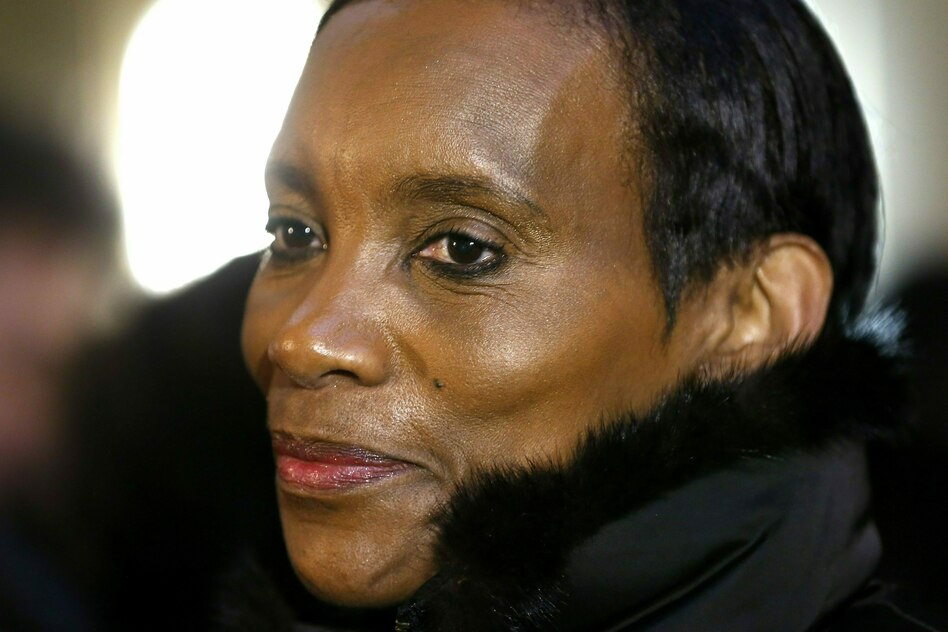
Anyone who is concerned with coming to terms with the genocide against the Tutsi in Rwanda cannot ignore Dafroza and Alain Gauthier. Their legal aid organization “Collectif des parties civiles pour le Rwanda” (CPCR) has been tirelessly tracking down fugitive perpetrators of genocide in France since 2001 in order to bring them to justice, and then acts as a co-plaintiff on behalf of the survivors.
Dafroza Mukarumongi-Gauthier and her French husband have dedicated their lives to seeking justice for Rwanda's Tutsis. Born in 1954 in southern Rwanda as the youngest daughter in a large rural family, she experienced the first pogroms against Tutsi as a little girl in the years from 1959, when Hutu revolutionaries founded the young Republic of Rwanda. The family had to leave their hill, Rwamiko, after the village teacher was beheaded with an axe.
Later, Dafroza recalled, as a Tutsi girl, she needed passes when she traveled by bus to high school in the capital, Kigali. She finally moved away from Rwanda at the age of 19, first to Burundi and later to France, where she married the missionary Alain Gauthier, whom she had already met in Rwanda.
When Dafroza visited her mother in Kigali for the last time in February 1994, violence against Tutsi was already omnipresent. Her mother urged her to go again. On April 8, 1994, the old woman was shot twice in the back at the foot of the steps of a church in Kigali, where many Tutsi had sought shelter at the start of the organized massacres the previous day and where Hutu militiamen accompanied by the army invaded that morning.
Almost a million Tutsi were systematically killed in 100 days by the army and militias of the then Hutu government before a Tutsi guerrilla army seized power and ended the genocide. Many perpetrators fled across the border to Congo, and many responsible politicians fled to Europe - especially to France.
Because the French judiciary always rejected extradition requests from Rwanda's new Tutsi-led state power, the Gauthiers took action themselves. They founded the CPCR to provide “moral and financial support to anyone seeking to bring charges against alleged genocidal murderers,” as the nonprofit group defines its mission. They investigated fugitive perpetrators in France, collected statements from survivors in Rwanda and handed their findings over to the French public prosecutor's office.
The French judiciary took up the matter very hesitantly; the first trial only took place in 2014. After all, the current CPCR list of Rwandan perpetrators brought to justice in this way includes 40 names. But there are still 100 left, Gauthier noted soberly last year.
“The Tutsis did not die quietly and peacefully,” Dafroza said in court in Paris a few years ago. "They died in terrible suffering, starved, thirsty, humiliated, beheaded, burned alive, hunted down like wild animals. Their hacked up bodies were thrown, half alive, half dead, into huge holes, latrines, rivers, eaten by dogs and wild animals." In 2004, a mass grave was dug where her mother died. Only two bodies could be identified. Dafroza himself was only able to take home a bracelet and a necklace. No member of her mother's family survived and there is no place to commemorate her, Dafroza told the court. “Our hearts are their only graves.”
Now Dafroza Mukarumongi-Gauthier himself is being buried. Suffering from cancer, most recently in hospital, she died at the age of 72 on October 3rd in Reims, France. Her family continues their fight – for justice, against forgetting and indifference.
Read the full story at the source
Source: taz