
Germany taz
After the parliamentary elections in Serbia: step on the gas, but carefully
In Serbia, one arrest follows another. Criminal proceedings are initiated almost daily. Lawyers warn against excessive overzealousness. more...
Deutsch (original) ·Auto-translated to English
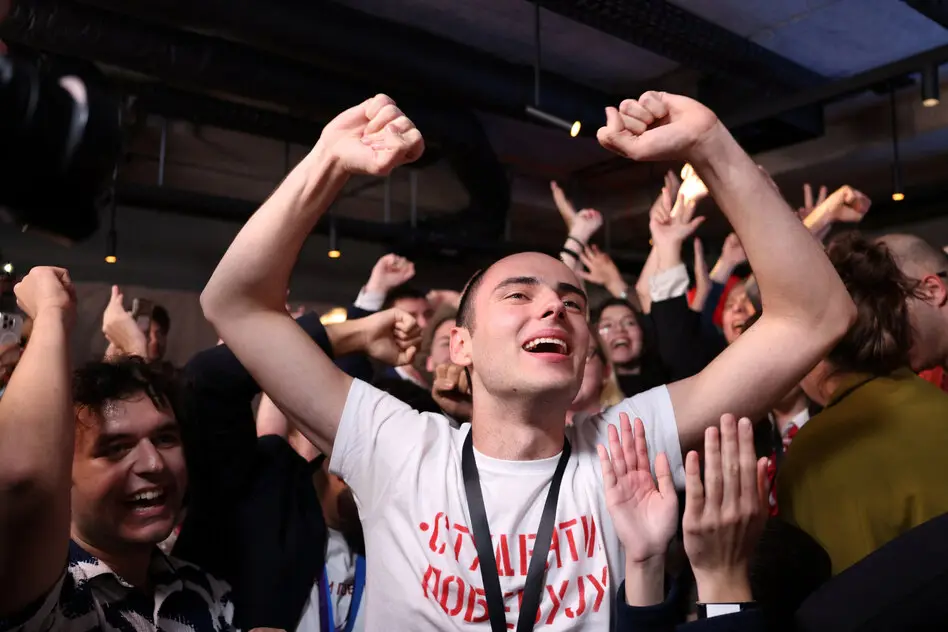
The transfer of power has not even taken place yet; the new parliament is not due to be constituted until November 17th. But the framework of corruption and criminality of the defeated regime is already crumbling before the eyes of viewers in Serbia thirsting for justice.
Since the student list won the early parliamentary elections on October 25, hardly a day has gone by without arrests or criminal proceedings being initiated. The judicial authorities are targeting prosecutors, police officers, local officials, former ministers, business people, building contractors and party activists.
The head of the Criminal Police Directorate, a commander of the anti-terrorist unit, prison directors, the owner of ALTA Bank, the director of the Hydrometeorological Institute of Serbia (RHMZ) and the mayor of Inđija are currently in custody.
They are all suspected of abuse of office, money laundering and corruption. The Organized Crime Prosecutor's Office (TOK) has initiated proceedings against the head of the Serbian secret service BIA, the outgoing Justice Minister and around 60 other people - including for illegal wiretapping.
"This is a sad picture of our public prosecutor's office," says public prosecutor Bojana Savović. Because you can now see what prosecutors could have done in the past 14 years, but did not want to do because they bowed to political pressure. She hopes that the pace of action does not come at the expense of the quality of the indictments.
The lawyer Tanja Arsić also warns urgently: The public prosecutor's office should not bring charges as long as there is insufficient evidence. She shouldn't act hastily just to achieve quick results. Because that would ultimately lead to acquittals for former top politicians. Such a scenario would be “catastrophic”.
Things are currently going well for Serbia's democracy fighters, but future leaders will soon face a logical paradox known as "Catch-22." The parliamentary majority and the future government of the student list must enforce a consistent separation of powers between the legislative, executive and judicial branches.
It is important to create independent state institutions that are armed against political pressure. In short: the rule of law must be restored. “It has become a habit that one government party replaces the next and takes over the state - and then the next party does exactly the same thing,” explains Miloš Bešić, professor at the Faculty of Political Science.
“Solving this problem would be the greatest goal that can be achieved after the upheavals we have experienced.” Because the students have the vision that a change of power only makes sense if the entire political system is changed afterwards. On the way to this noble goal, however, the winners of the recent elections would have to voluntarily give up the instruments of power with which they could achieve “higher” goals in the name of the “common good”.
In doing so, they would weaken their own position in the confrontation with Vučić's followers. They are still in power in every small town and control a large part of the state apparatus. First of all, if the judiciary works according to the letter of the law and not according to political directives, accusations are one thing. However, the presentation of evidence in court and final judgments are something completely different.
Secondly, by strictly adhering to the rule of law, you give precisely those actors who previously restricted your political space and illegally broke your back the legal opportunity to fully develop again if you grab power again.
This dilemma became very clear in the first years after the democratic upheaval of October 5, 2000. In the parliamentary elections at the end of December 2000, Vojislav Šešelj's ultranationalist Serbian Radical Party (SRS) only won 23 seats. But already in December 2003 - based on precisely those newly created democratic achievements - it won 82 seats and became by far the strongest individual party.
Nine years later, the former radicals, now in the guise of the Serbian Progressive Party (SNS), finally returned to power. The lustration that was much talked about then and now - that is, the cleansing of the state apparatus of old cadres who had ignored the law - did not materialize.